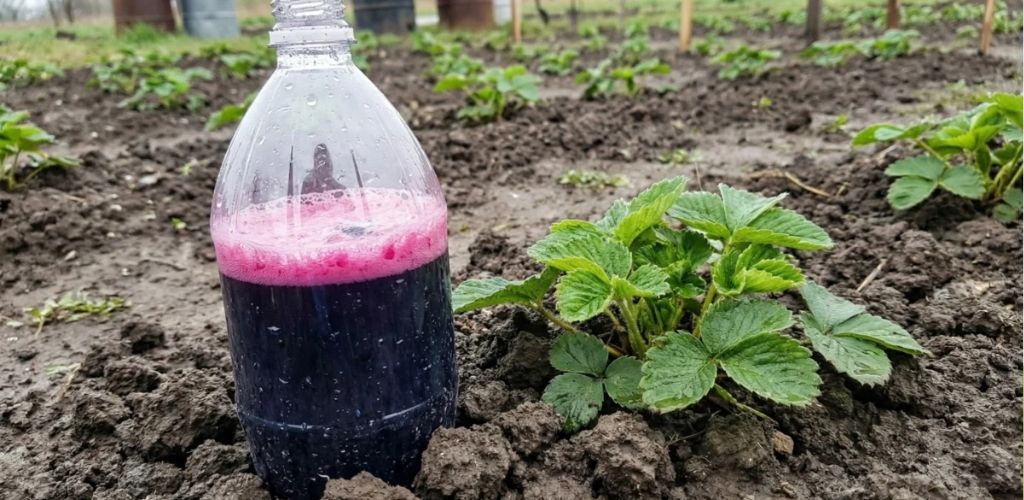
The Secret to a Massive Harvest: Essential Spring Strawberry Fertilization
Growing sweet, juicy berries requires more than just water and sunlight; it demands a precisely timed boost. Proper strawberry fertilization in spring is the deciding factor between a basket overflowing with fruit in June or a disappointing harvest. There is a “secret” solution made from three accessible ingredients that can awaken even the weakest plants, jumpstarting flower production in a way that will truly surprise you when picking season arrives.
Many gardeners find themselves puzzled each year when their plants look visually healthy, yet the actual yield is a disappointment. The issue rarely lies in a lack of moisture. Instead, the problem is usually an incorrect nutrient ratio during the critical pre-flowering phase. If the soil doesn’t provide enough nitrogen and phosphorus in late April and early May, the plant shifts its focus to survival rather than producing large, sweet berries.
Why Strawberry Growth Often Stagnates in May
After a long winter, the soil is often depleted, and the natural processes that release minerals are still sluggish due to lower temperatures. During the second half of April, strawberries are incredibly energy-hungry. Without an immediate impulse to build strong stems and lush foliage, the plants struggle. Remember, the leaves are the “sugar factories” of the plant; if they are small or pale, the berries will inevitably stay small and sour.
Beyond nutrition, pest activity is another major factor. Aphids and other sap-sucking insects wake up alongside the vegetation. These tiny enemies drain the vitality from young shoots, deforming the plant before it even has a chance to push out its first blossoms. This is why your spring treatment must provide both high-octane fuel for growth and a layer of protection against early-season pests.
The Three Secret Ingredients for Explosive Growth
To achieve professional results at home, you need a balanced mix of nitrogen, disinfection, and mineral support. This unique combination targets the plant’s health from multiple angles, ensuring the roots are strong and the leaves are vibrant.
The Ultimate Spring Fertilizer Mix:
| Ingredient | Amount per 10L | Primary Function |
| Ammonia (10%) | 2 Tablespoons | Immediate nitrogen boost and pest repellent |
| Potassium Permanganate | ½ Teaspoon | Antiseptic protection and manganese supply |
| Azofoska (NPK 16-16-16) | 1 Tablespoon | Balanced nutrition for roots and flowers |
Ammonia provides nitrogen in a form that roots and leaves can absorb almost instantly. Its sharp scent also acts as a powerful deterrent for aphids. Potassium permanganate (common in pharmacies) acts as a disinfectant to eliminate mold spores, while Azofoska provides the phosphorus necessary for root development and consistent ripening.
Step-by-Step Preparation and Application
- Water Temperature: Start with 10 liters of standing water. It should not be ice-cold, as cold water can cause a temperature shock on a warm April day, slowing down the plant’s metabolism.
- Mixing: First, dissolve the Azofoska granules completely. Then, stir in the potassium permanganate until the water turns a deep purple. Finally, add the ammonia and mix briefly.
- The Technique: Use a watering can with a rose attachment. Apply the solution directly over the leaves. Foliar feeding is highly effective in early spring because the plant can absorb nutrients through the leaf pores.
- Timing: The best time for application is late evening or on a cloudy day. This prevents the sun from burning the wet leaves and allows the nutrients to settle into the soil.
Pro-Tips for Maximum Berry Size and Sweetness
Fertilization is the foundation, but a few extra tricks can push your harvest to the next level. Always remove old, dried leaves immediately after winter to reduce infection risks and let the sun reach the center of the plant. Additionally, spreading a layer of straw or mulch around your strawberries keeps the fruit clean and prevents contact with damp soil, which is the primary cause of rot.
Another crucial step is the removal of the first “runners” (stolons) that the plant sends out during flowering. These runners drain an enormous amount of energy that should be going into fruit development. By clipping them early, you force the plant to invest all its strength into producing massive, aromatic berries. Also, ensure the “heart” or crown of the strawberry plant—where the new leaves emerge—is not buried under soil, as this causes the plant to rot regardless of how much you fertilize.
Using this combination of ammonia, potassium permanganate, and balanced NPK fertilizer ensures your strawberries have everything they need for a healthy start. The result will not only be a more abundant harvest but also firmer, sweeter fruit that will delight your entire family during the hot summer days. With just a little effort in the spring, you can transform your strawberry patch into a high-yielding berry paradise.
Consistency is key in the garden. By providing this nutrient-rich “cocktail” before the first blooms open, you are setting the stage for success. Your plants will be more resilient against disease and pests, allowing them to focus entirely on what matters most: growing the perfect strawberry. Happy gardening!
Did this spring gardening tip help you prepare for a better harvest? We love sharing secrets to help your garden thrive! Please SUBSCRIBE to our page for more expert advice, give this post a LIKE, and SHARE it with your fellow gardeners. Do you have a favorite secret for sweet strawberries? Let us know in the comments below—we’d love to hear your story!