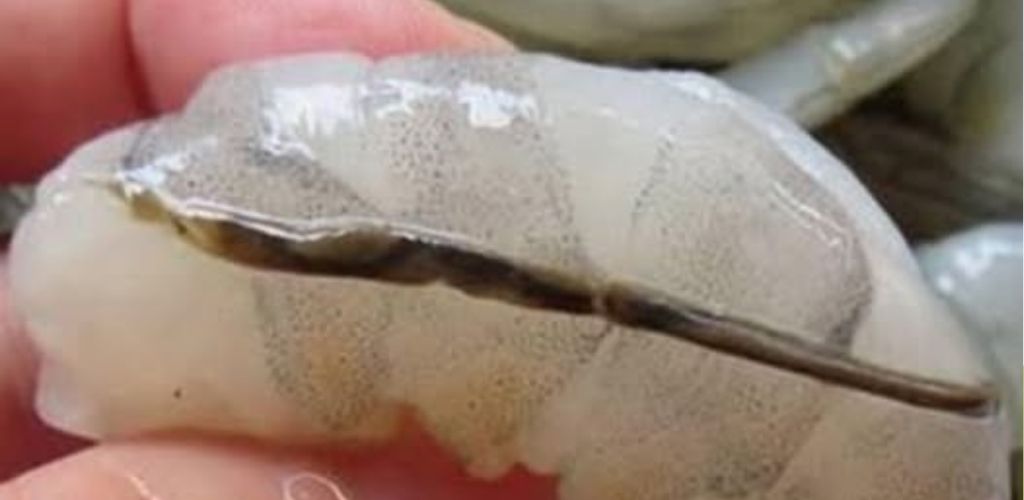
The Hidden Detail in Shrimp Preparation: To Devein or Not to Devein?
Shrimp are a beloved staple in global cuisine, cherished for their delicate flavor, lightning-fast cooking time, and incredible versatility. Whether they are the star of a comforting home-cooked pasta or a sophisticated restaurant appetizer, these crustaceans appear on dinner plates worldwide. However, one tiny detail consistently sparks debate among home cooks and professional chefs alike: that mysterious dark line running along the back of the shrimp, commonly referred to as the “vein.”
At first glance, this thin line seems insignificant—easy to overlook or simply ignore. Some cooks remove it as a reflex, others leave it untouched, and many aren’t entirely sure what it actually is or if it impacts the final dish. The discussion surrounding this tiny detail isn’t necessarily about health risks; rather, it’s about culinary awareness, personal taste preferences, and professional cooking standards.
Is Eating the Shrimp Vein Safe?
When shrimp are prepared without payng much attention to this line, they are generally safe to consume, provided the seafood is fresh and has been cooked to the proper internal temperature. High heat effectively kills harmful bacteria, which is why shrimp remains one of the most popular proteins across various cultures. However, food safety is only one part of the culinary equation. Texture, visual appeal, and pure flavor play equally vital roles in a successful meal.
Experienced chefs often emphasize that meticulously prepared shrimp offer a cleaner taste and a far more pleasant consistency. In some instances, leaving the dark line intact can introduce a slightly bitter note or a “gritty” sandy texture, especially when grilling, searing, or sautéing at high temperatures. While these differences might seem subtle to some, they can significantly influence the overall enjoyment of a gourmet seafood dish.
Step-by-Step: How to Properly Clean Shrimp
Dealing with this minor detail requires neither expensive professional tools nor advanced culinary skills. A shallow incision along the back of a raw shrimp allows you to easily lift out the intestinal tract using the tip of a knife or even a simple toothpick. While it is possible to remove it after cooking, the process becomes slightly more difficult due to the firmer texture of the meat. This is why many supermarkets offer “peeled and deveined” options for convenience.
Shrimp Anatomy at a Glance:
| Feature | Location | What is it? | Action Needed? |
| Dorsal Line | Along the back | Digestive Tract | Recommended to remove for texture |
| Ventral Line | Underneath (belly) | Blood Vessel | No action needed; contains no waste |
| Shell | Exterior | Protective Armor | Remove unless grilling/boiling whole |
It is also worth noting that shrimp have another visible line on the underside of their body. Unlike the line on the back, this is merely a blood vessel. It contains no waste materials and does not need to be removed. Understanding this distinction helps you avoid unnecessary preparation steps and saves time in the kitchen.
Visual Cues for Freshness and Quality
Sometimes, the appearance of the dorsal line can provide subtle clues about the shrimp’s freshness and handling. A very dark, thick, and prominent line may indicate that the shrimp have been stored for a longer period or handled less carefully during the harvesting process. Conversely, a lighter or less noticeable line is often associated with fresher, high-quality seafood.
While this isn’t a definitive scientific test for spoilage, it serves as a helpful visual indicator when browsing the seafood counter. Choosing high-quality ingredients is the first step toward a perfect meal. If you are aiming for a restaurant-quality presentation, taking the extra sixty seconds to clean your shrimp will always yield a more professional and appetizing result.
The Final Culinary Verdict
Only at the end of the preparation does the most important fact become clear: the so-called “vein” in a shrimp isn’t actually a vein at all—it is the shrimp’s digestive tract. While consuming it is not inherently dangerous to your health, removing it is a small, professional touch that can noticeably enhance the flavor, texture, and overall dining experience.
By paying attention to these small details, you elevate your cooking from basic to exceptional. Great food is often the result of several small, intentional choices. Whether you are hosting a summer BBQ or a quiet dinner at home, your guests will appreciate the clean, sweet taste of perfectly prepared shrimp.
Did you find these kitchen tips helpful for your next seafood dinner? We love sharing secrets for better home cooking! If you want to stay updated on the best culinary hacks and recipes, make sure to SUBSCRIBE to our page. Give us a LIKE if you’re a fan of perfectly cooked shrimp, and SHARE this post with your fellow foodies to spread the word. Have your own shrimp-cleaning tricks? Tell us all about them in the comments below!