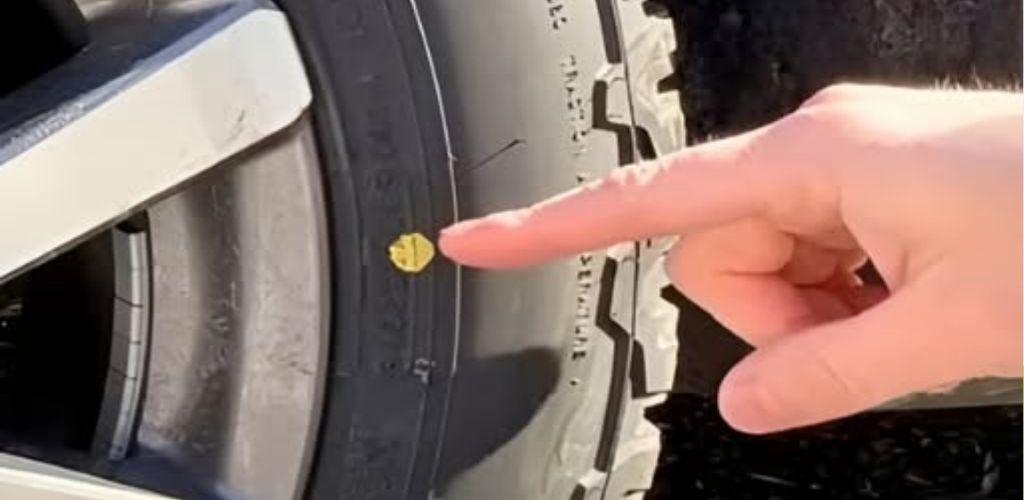
The Meaning Behind Red and Yellow Dots on New Tires: A Guide to Proper Balancing
When you purchase a fresh set of tires, you might notice small, mysterious red and yellow dots on the sidewall. While they may look like random manufacturing marks, they are actually vital indicators for professional tire technicians. These dots play a crucial role in ensuring your vehicle drives smoothly and that your tires last as long as possible.
Most drivers overlook these markings, yet ignoring them during installation can lead to a shaky ride and premature tread wear. Understanding the science behind these dots helps you ensure your car remains stable on the road. Let’s break down exactly what these colors signify and why they shouldn’t be ignored by your mechanic.
The Yellow Dot: Finding the Lightest Point
The yellow dot represents the “weight mark” and indicates the absolute lightest point of the tire. Even with modern manufacturing, no tire is perfectly weighted all the way around. To achieve the best possible balance, technicians aim to align this yellow dot with the heaviest part of the wheel rim—which is almost always the valve stem.
Properly aligning the yellow dot with the valve stem minimizes the amount of lead weights needed to balance the wheel. When this is done correctly, it compensates for natural imbalances, resulting in a significantly smoother and more stable driving experience. Without this alignment, you may feel subtle vibrations that gradually worsen over time.
The Red Dot: Identifying the High Point
While the yellow dot focuses on weight, the red dot is all about “uniformity.” This mark indicates the tire’s maximum radial force variation—essentially the “high point” or the stiffest part of the tire’s structure. Since wheels themselves aren’t perfectly round, some high-quality rims feature a dimple or mark indicating their lowest point.
By matching the red dot on the tire with the low point on the rim, technicians can cancel out structural irregularities. If these marks are misaligned, the tire may “hop” slightly as it rotates, leading to poor handling and cabin discomfort. This process, often called “match mounting,” is the gold standard for high-performance vehicle maintenance.
The Dangers of Ignoring Tire Balance
If you feel a persistent vibration in your steering wheel or seat while driving, your tires are likely out of balance. This isn’t just an issue of comfort; it has real mechanical consequences. Persistent shaking can put undue stress on your vehicle’s suspension, shocks, and steering components, leading to expensive repairs down the line.
Potential Risks of Improper Tire Mounting:
- Decreased Stability: Reduced road grip, especially during high-speed maneuvers.
- Safety Concerns: Increased braking distances and a higher risk of hydroplaning.
- Fuel Inefficiency: Poorly balanced tires create higher rolling resistance, forcing the engine to work harder.
- Frequent Replacements: Uneven tread wear means you’ll be buying new tires much sooner than expected.
How to Maximize Your Tire Life
Achieving a perfect balance during installation is a great start, but maintaining that health requires consistent effort. Tires are an investment, and a few simple habits can extend their life by thousands of miles. Beyond professional balancing, you should take an active role in monitoring your rubber.
Essential Tire Maintenance Checklist:
| Maintenance Task | Frequency | Benefit |
| Pressure Check | Monthly | Prevents irregular wear and improves MPG |
| Tire Rotation | Every 5,000 miles | Ensures all four tires wear down at the same rate |
| Visual Inspection | Weekly | Catches cracks, bulges, or embedded nails early |
| Alignment Check | Annually | Keeps the car driving straight and prevents “pulling” |
Small Details, Big Impact on Road Safety
The red and yellow dots on your tires are far from accidental. They are engineered guides designed to keep your car safe, comfortable, and efficient. Next time you head to the shop for a tire change, keep an eye on these markings. A technician who respects these dots is a technician who cares about the longevity of your vehicle.
By staying informed about these small details, you protect your investment and ensure a safer journey for everyone in the car. Don’t let a simple mounting mistake compromise your driving experience. Remember, a perfectly balanced tire is the foundation of a smooth ride!
Did you find this guide to tire markings helpful? We are committed to bringing you the best automotive tips and vehicle maintenance hacks! If you want to stay informed and keep your car in top shape, make sure to SUBSCRIBE to our page. Give us a LIKE if you learned something new today, and SHARE this post with your fellow drivers so they can stay safe on the road. Have you noticed these dots on your tires before? Let us know in the comments below!