The Secret History of the Denim Patch: Why Your Jeans Have a Leather Label
Over the last few decades, jeans have conquered hearts and wardrobes across the globe. Today, denim is such a fundamental part of modern culture that it feels like there is nothing left to discover about them. We wear them to work, on dates, and while relaxing, rarely giving a second thought to their construction.
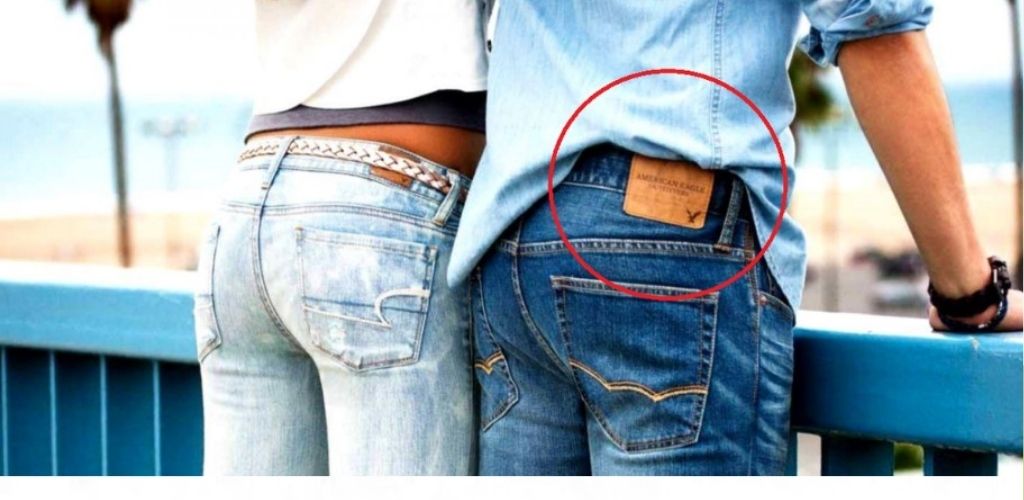
However, the next time you pull on your favorite pair, take a look at the waistband. Whether your jeans are budget-friendly or designer, you will almost certainly find a rectangular patch stitched onto the back. Have you ever wondered why it’s there? While it may seem like a simple decoration today, this small piece of material has a fascinating history rooted in high-stakes business and the wild west.
What is the Patch Made Of? Meet “Jacron”
In the modern fashion industry, these patches are rarely made of genuine cowhide anymore. Instead, most brands use a material called Jacron. Often referred to as “vegan leather,” Jacron is a sustainable alternative that looks and feels like the real thing but is actually composed of roughly 95% cellulose (paper).
The secret to Jacron’s durability lies in a small amount of latex. This addition makes the patch waterproof, incredibly tough, and resistant to the high temperatures of industrial washing machines. It won’t tear, even after years of wear and tear, making it the perfect medium for displaying brand names, waist sizes, and denim density.
The Battle Against 19th-Century Counterfeits
To understand why this patch exists, we have to go back over 100 years. In 1873, the iconic company Levi’s began sewing genuine leather patches onto their denim overalls. The reason wasn’t fashion—it was a strategic move to defeat counterfeiters. Even in the late 1800s, the American market was flooded with “fake” workwear produced by competitors looking to cash in on Levi’s innovation.
Counterfeiters in the 1870s operated much like they do today, using lower-quality fabrics to mimic the original designs while avoiding taxes and advertising costs. Levi’s suffered massive losses and decided they needed a permanent, hard-to-copy mark of authenticity. They chose a thick leather patch, heat-branded with their patented “Two Horses” logo, as a seal of quality that sub-par factories simply couldn’t replicate.
Why Counterfeiters Couldn’t Copy Leather
You might wonder: why didn’t the counterfeiters just fake the leather patch? The answer lies in the economy of the Old West. In the late 1880s, leather was an incredibly expensive commodity. It was the “high-tech” material of its time, and producing branded leather in bulk was far too costly for underground workshops.
Economic Context of the Old West:
| Item | Average Cost (1880s) | Worker’s Monthly Wage |
| Cowboy Wage | $0.25 – $1.00 per day | $10.00 – $25.00 |
| Quality Leather Boots | $10.00+ | 50% to 100% of Monthly Salary |
| Denim Overalls | $0.75 – $1.25 | 1 to 3 days of labor |
Because the leather itself was so pricey and the factory stamping process required specialized heavy machinery, the patch became a foolproof way for customers to identify authentic goods. Even if a customer couldn’t read English, they could look at the “Two Horses” illustration and know they were buying a genuine Levi Strauss & Co. product.
From Anti-Theft Device to Modern Branding
As manufacturing technology advanced, the cost of leather dropped, and eventually, synthetic alternatives like Jacron took over. Today, the patch serves a different purpose. It has transitioned from a security feature into a powerful marketing tool and a nod to denim heritage. It maintains the “classic” look that consumers have come to expect over the last century.
Modern patches act as a quick-reference guide for the consumer. At a glance, you can see the brand identity, the fit (such as “Slim” or “Straight”), and often the specific model number. In a crowded retail environment, that flash of color on the waistband acts as a billboard, advertising the brand to everyone walking behind the wearer.
The Legacy of the Denim Patch
The next time you see that rectangular patch, remember that it represents over 150 years of industrial history. It’s a bridge between the rugged needs of 19th-century gold miners and the fast-paced world of modern fashion. What started as a shield against fraud has become an enduring symbol of the most popular garment in history.
So, check your jeans—is your patch leather, Jacron, or fabric? Whatever it is, it’s a small detail that carries the weight of a legendary legacy. It’s the finishing touch on a garment that truly changed the world.
Did you know the history behind your denim’s leather patch? We love uncovering the hidden stories behind everyday fashion! If you found this article interesting, make sure to SUBSCRIBE to our page for more style secrets and historical deep-dives. Give us a LIKE if you’re a fan of classic denim, and SHARE this post with your friends so they can learn the secret of the Jacron patch too. What’s your favorite brand of jeans? Let us know in the comments below!