How to Get Rid of Fruit Flies: 7 Pro Tips to Reclaim Your Kitchen
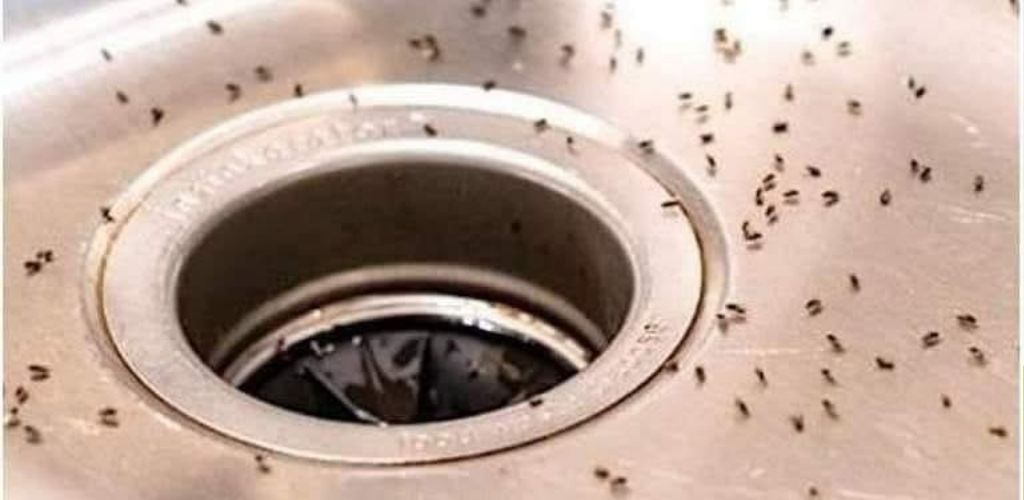
You open the cabinet, flip on the light, and suddenly—buzz—a cloud of tiny flies swarms around your fruit bowl. These pests, often called fungus gnats or fruit flies (Drosophila melanogaster), are among the most persistent kitchen nuisances. Small, agile, and annoyingly stubborn, they are attracted to overripe fruit, damp drains, and hidden spills. While they don’t bite, they can transport bacteria from trash bins to your food, making them more than just an eyesore.
The good news is that you can eliminate them quickly and safely without resorting to toxic chemical sprays. By understanding their lifecycle and using a few clever household hacks, you can clear your kitchen in no time. Real cleanliness isn’t about being perfect; it’s about establishing smart habits that prevent these invaders from multiplying. Let’s look at seven science-backed methods to win the war against gnats.
Understanding the Enemy: What Are These Gnats?
When people talk about “kitchen gnats,” they usually mean fruit flies—tiny, red-eyed insects about 3–4 mm long. They are drawn to decaying organic matter where they can lay hundreds of eggs at a time. Within just 24 hours, those eggs can hatch into larvae, meaning a single fly today can become a swarm by tomorrow.
Common Fruit Fly Breeding Grounds:
- Overripe or fermenting fruits (bananas, tomatoes, peaches)
- Damp kitchen drains and garbage disposals
- Used sponges, wet mops, and cleaning rags
- Open bottles of wine, soda, or vinegar
7 Effective Methods to Eliminate and Prevent Kitchen Flies
To stop an infestation, you must remove the attraction and destroy the breeding sites. Use this checklist to sanitize your space and set up traps that actually work.
- Remove Incentives: Store ripe fruit in the refrigerator or compost it immediately. If you keep fruit on the counter, use a breathable mesh cover to keep flies away while allowing air circulation.
- Clean the Drains: Larvae thrive in the “slime” inside sink drains. Pour ½ cup of baking soda followed by 1 cup of white vinegar down the drain. Let it fizz for 10 minutes, then flush with boiling water.
- DIY Vinegar Trap: This is the most effective trap. Fill a small jar with 3 tablespoons of apple cider vinegar and a drop of dish soap. The soap breaks the surface tension, causing the flies to sink.
- Seal Your Trash: Use bins with tight-fitting lids and empty them daily, especially in warm weather.
- Sanitize Cleaning Tools: Wash reusable grocery bags and microwave damp sponges for one minute to kill bacteria and larvae.
- Check Hidden Spots: Wipe down areas under toasters and inside recycling bins where juice or soda residue might linger.
- Use Sticky Traps: Yellow adhesive traps are non-toxic and excellent for catching adult flies near windows or lights.
Efficiency of Removal Methods:
| Method | Best For | Result Time |
| Vinegar & Soap Trap | Adult flies | Overnight |
| Baking Soda/Vinegar | Drain larvae | Immediate |
| Sticky Traps | Monitoring population | 2–5 days |
| Refrigeration | Prevention | Permanent |
Debunking Common Pest Control Myths
There are many “old wives’ tales” about pest control that simply don’t work. For example, many believe that spraying bleach down the drain will kill all gnats. In reality, bleach passes through too quickly to penetrate the eggs. It is much more effective to use a foaming agent or the baking soda and vinegar method mentioned above.
Another myth is that fruit flies only appear in “dirty” kitchens. This is false; even the cleanest homes can be hit if a single overripe banana is brought in from the store. Finally, don’t wait for them to “disappear on their own.” Without intervention, fruit flies will continue their reproductive cycle indefinitely as long as there is a moisture source and food available.
When to Call a Professional Exterminator
If you have consistently applied these cleaning and trapping methods for over two weeks and the flies persist, you may have a deeper issue. Sometimes, the source isn’t the fruit bowl but a hidden leak behind a wall or under floorboards where wood is rotting.
In these cases, a pest control expert can help identify structural breeding sites that are not easily accessible. They have tools to inspect sewer lines or wall voids for hidden moisture. However, for 90% of households, the DIY approach is more than enough to handle a seasonal swarm.
Final Thoughts: Maintaining a Gnat-Free Home
You don’t need a professional team to win the battle against kitchen gnats. Consistency is the most important factor. By taking a few minutes to cover your fruit, flush your drains, and set a simple vinegar trap, you can maintain a peaceful, pest-free environment.
True peace in the kitchen doesn’t mean you’ll never see a bug again—it means knowing exactly how to handle them calmly and quickly when they appear. Reclaiming your space starts with one simple step: clean that drain today!
Did these tips help you clear your kitchen? We regularly share smart home hacks and DIY repair secrets to make your life easier! If you want to keep your home running smoothly, please SUBSCRIBE to our page and stay updated. We appreciate every LIKE and would love for you to SHARE this post with your friends. Have you found a secret fly-trap recipe that works? Let us know in the comments!