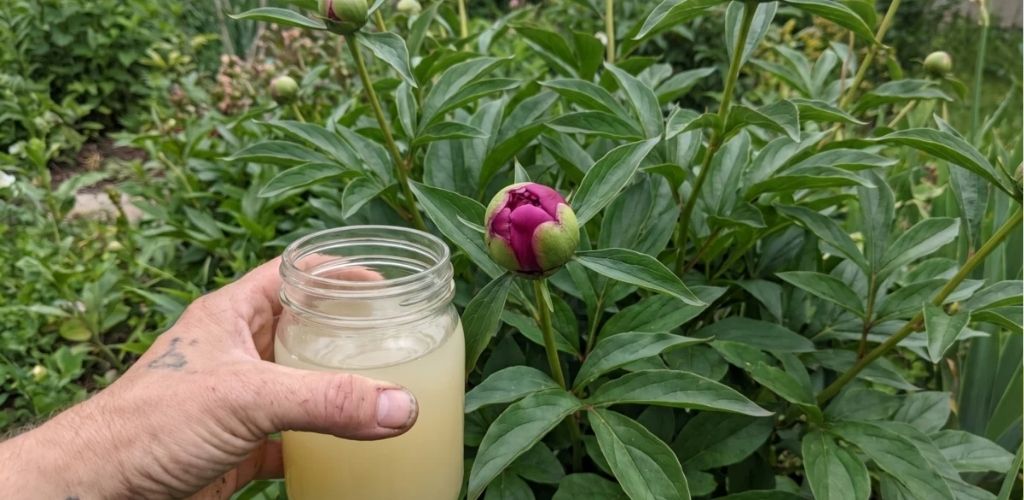
The Secret to Giant Peony Blooms: The Ultimate Spring Fertilization Strategy
Every gardener eagerly anticipates the moment when the heavy buds of these “royal flowers” finally unfurl. However, many are met with disappointment when the result is nothing more than small, lackluster blossoms. The difference between a struggling plant and a breathtaking display lies in a precisely timed spring fertilization routine. This specific method can transform even older, neglected bushes into a wave of blooming beauty that will become the focal point of your entire garden.
Peonies are high-energy plants that require a massive amount of fuel to support their heavy, fragrant flowers on sturdy stems. If you underestimate their needs during the critical weeks between late April and early May, the plant will divert its energy away from blooming and focus entirely on leaf production. Quality flowers aren’t a stroke of luck; they are the result of a calculated chemical impulse that the root system must receive before the first buds even appear.
Why Standard Peony Care Often Fails
Most gardeners rely on a “scatter and forget” approach with universal fertilizers, but this rarely meets the specific demands of peonies in early spring. These perennials follow a unique growth rhythm that requires different elements at very specific intervals. For example, adding too much potassium when the plant is desperately craving nitrogen will stunt growth, leaving you with short, weak stems that can’t support a bloom.
Furthermore, peonies are highly sensitive to the pH levels of the soil surrounding their deep root systems. April is typically the time when heavy spring rains leach essential minerals from the soil. Without immediate and targeted compensation, the plant’s health begins to decline just as it should be peaking. Understanding this balance is the key to unlocking intense fragrance and long-lasting color.
Peony Nutrient Requirements by Growth Stage:
| Growth Phase | Primary Goal | Recommended Nutrient |
| Late April | Massive Green Growth | Nitrogen (Ammonium Nitrate) |
| Early May | Immunity & Color | Wood Ash (Potassium/Calcium) |
| Mid-May | Stem Strength & Budding | Complex NPK (Azofoska) |
Phase 1: The Nitrogen Boost for Lush Foliage
The first step in our expert plan takes place in late April. The goal here is to stimulate vegetative growth. Nitrogen is essential for chlorophyll production, and ammonium nitrate is ideal because it acts quickly. By building a large “solar panel” of healthy green leaves, the peony can perform more photosynthesis, creating the sugars necessary to fuel giant flowers later in the season.
Apply exactly one tablespoon of granules per square meter. Scatter the granules evenly around the bush, making sure to avoid direct contact with the young, tender shoots to prevent chemical burns. This nitrogen-rich start ensures the plant has the structural foundation it needs to carry the weight of its future “royal” blossoms.
Phase 2: Wood Ash for Vibrant Color and Health
Exactly one week after the nitrogen application, it is time to introduce pure wood ash. This acts as an invaluable source of calcium and organic trace elements. Ash from deciduous trees gently neutralizes soil acidity, creating the slightly sweet soil environment that peonies thrive in. These minerals directly influence the saturation and depth of the petal colors.
Lightly dust the soil around the bushes with a thin layer of ash. If the spring is particularly dry, gently work the ash into the top inch of the soil and water thoroughly with settled water. This helps the minerals reach the “suction roots” located about 20 to 30 centimeters deep. A well-nourished root system at this depth is what gives the plant its long-term immunity against common garden diseases.
[AD BLOCK #4 INSERT HERE]
Phase 3: Final Strengthening with Complex NPK
The final step in our spring plan occurs in mid-May, just as the plant begins to show its first visible buds. At this stage, we apply a complex fertilizer like Azofoska. This provides a balanced ratio of Nitrogen, Phosphorus, and Potassium. Without phosphorus at this exact moment, the stems would remain brittle and snap under the weight of the flowers after the first heavy rain.
The dosage remains the same: one tablespoon per square meter. At this point in the season, the plant is absorbing nutrients at its maximum capacity. You will likely see the buds growing larger literally day by day. This balanced feeding ensures that the peony doesn’t just produce one main flower, but often develops side buds that significantly extend the overall blooming period.
Expert Tips for Professional Results
Beyond fertilization, there are small habits that make a big difference. Always apply fertilizer to moist soil—ideally after a natural rain. Avoid deep digging around the plant, as peonies have sensitive, shallow feeder roots that do not tolerate disturbance. If you want one truly gargantuan flower, consider “disbudding”—removing the smaller side buds when they are the size of a pea to let the plant focus all its energy on the main bloom.
Additionally, always water at the base of the plant rather than over the foliage. Water droplets on delicate petals can act like magnifying glasses in the sun, causing burns and premature wilting. By following this three-phase plan, you are not just feeding a plant; you are investing in a spectacular garden display that will return with more vigor every year.
Did this peony care guide help you prepare for the blooming season? We love sharing professional gardening secrets and DIY tips to help your home and garden thrive! If you want to see more expert advice, please SUBSCRIBE to our page and stay updated. We appreciate every LIKE and encourage you to SHARE this post with your fellow gardening enthusiasts. Do you have a favorite peony variety or a secret fertilizer tip of your own? Let us know in the comments below!