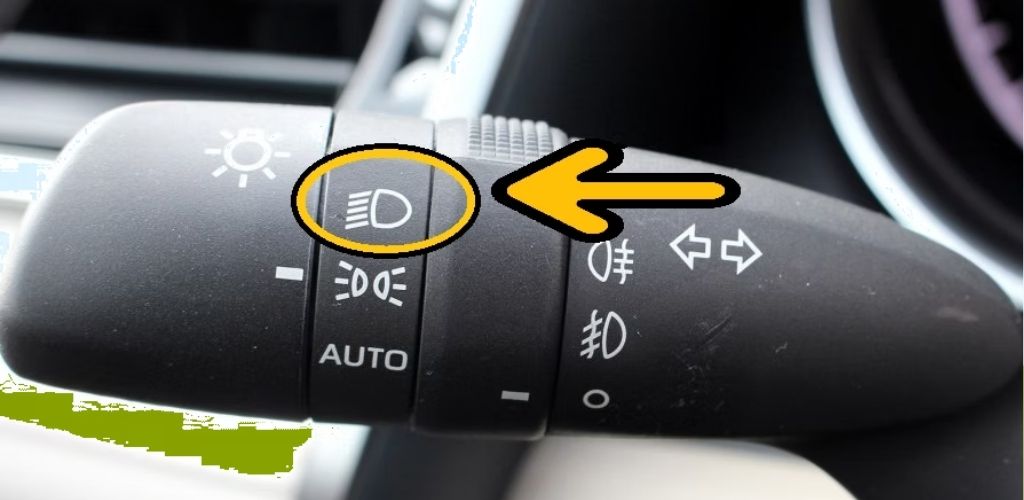
Mastering Your Car’s Lighting: Hidden Secrets and Features of the Light Lever
Modern vehicles are packed with technology, yet one of the most essential tools—the light lever—often remains underutilized. Most drivers know how to flip on the headlights, but few realize the advanced safety features and “hidden” shortcuts built into this simple stalk. Understanding these functions doesn’t just make driving more convenient; it significantly enhances your road safety and can even prevent common issues like a dead battery.
Whether you are navigating a dark rural road or a rainy highway, knowing exactly how your lighting system behaves is crucial. From automatic shut-off timers to specialized fog settings, the light lever is your primary interface for communicating with other drivers. Let’s dive into the professional secrets that many car owners overlook, helping you get the most out of your vehicle’s safety arsenal.
Low Beams and High Beams: Beyond Basic Illumination
Low beams (dipped beams) are your primary defense during night driving or poor weather. A common “secret” in many modern brands is the Automatic Power-Off system. If you accidentally leave your low beams on, the car’s computer often intervenes to shut them down after the ignition is turned off, saving your battery from a total drain. This feature is a lifesaver for those who frequently forget to check their dashboard before exiting.
High beams (main beams), on the other hand, are designed for maximum visibility when no oncoming traffic is present. A highly useful but subtle feature is the “Flash-to-Pass” function. By pulling the lever momentarily toward you without locking it, you can signal other drivers. This is widely used as a polite alert to warn oncoming traffic of hazards or to remind a fellow driver that their own high beams are accidentally blinding others.
The Fog Light Secret and Automatic Sensors
Fog lights are positioned low to the ground to produce a wide, flat beam that cuts through mist, heavy rain, or snow without reflecting back into your eyes. Many drivers are unaware that their light lever often includes a secondary collar to control Rear Fog Lights. These are significantly brighter than standard tail lights and are essential for helping drivers behind you spot your vehicle in “pea-soup” visibility conditions, preventing rear-end collisions.
In newer models, Automatic Headlight Systems take the guesswork out of visibility. These use ambient light sensors to toggle between daytime running lights and low beams. A professional tip: these sensors are often sensitive enough to detect oncoming headlights and will automatically switch your high beams back to low beams for you. This “Auto-Dimming” feature ensures you remain a courteous driver without having to constantly fiddle with the lever.
Comparison of Car Lighting Modes:
| Light Type | Primary Purpose | Hidden Feature |
| Low Beam | Night driving / Rain | Auto-battery saver mode |
| High Beam | Long-range visibility | Flash-to-pass signaling |
| Fog Lights | Thick mist / Heavy snow | Rear-facing high visibility |
| Automatic | Hands-free lighting | Ambient light sensitivity |
Signal Lever Shortcuts: The Three-Flash Rule
One of the most convenient “hidden” features in European and modern American cars is the One-Touch Lane Change signal. Instead of clicking the lever all the way up or down, a gentle tap will trigger exactly three flashes. This is designed specifically for quick lane changes on the highway, allowing you to signal your intent and move over without having to manually cancel the blinker afterward.
This feature reduces driver distraction and encourages better signaling habits. Additionally, keep an eye on your side mirrors; many modern vehicles integrate a Blind Spot Warning light that flashes if you attempt to use your signal while a vehicle is in your danger zone. This integration between the light lever and the car’s radar system is a cornerstone of modern collision avoidance technology.
Emergency Hazards and Professional Parking Aids
Hazard lights (emergency flashers) are more than just “parking anywhere” buttons. Professionally, they are used to indicate a vehicle is “out of service” or involved in an accident. In some advanced vehicles, the hazard lights will automatically activate during an Emergency Braking Event, alerting drivers behind you that you are coming to a sudden, forced stop, which can prevent multi-car pileups on high-speed roads.
Even your reverse lights have a secret utility. Beyond just lighting the path behind you, they serve as a visual signal to pedestrians that your vehicle is about to move. In tight parking spots, the bright white light of the reverse lamps reflects off nearby objects, acting as a manual proximity guide. When combined with modern parking sensors, these lights provide the visual confirmation needed for precision maneuvers in the dark.
Conclusion: Safety is in the Details
The light lever in your car is far more sophisticated than a simple on-off switch. By mastering the “tap-to-flash” signal, understanding your rear fog light controls, and trusting your automatic sensors, you become a more efficient and safer driver. These features are designed to work together to protect you, your passengers, and everyone else on the road.
Next time you get behind the wheel, take a moment to explore these functions in a safe environment. Familiarizing yourself with the tactile feel of your lighting controls ensures that when visibility drops, your reactions are instinctive. Driving is not just about moving the car; it’s about mastering the environment around you with intelligence and clarity.
Did you discover a new feature for your car today? We love sharing pro-level automotive secrets and DIY maintenance tips to keep you safe on the road! If you enjoyed this guide, please SUBSCRIBE to our page for more expert insights. Don’t forget to give us a LIKE and SHARE this post with your friends and family—you might just save them from a dead battery! Do you have a favorite hidden car feature? Tell us about it in the comments below!