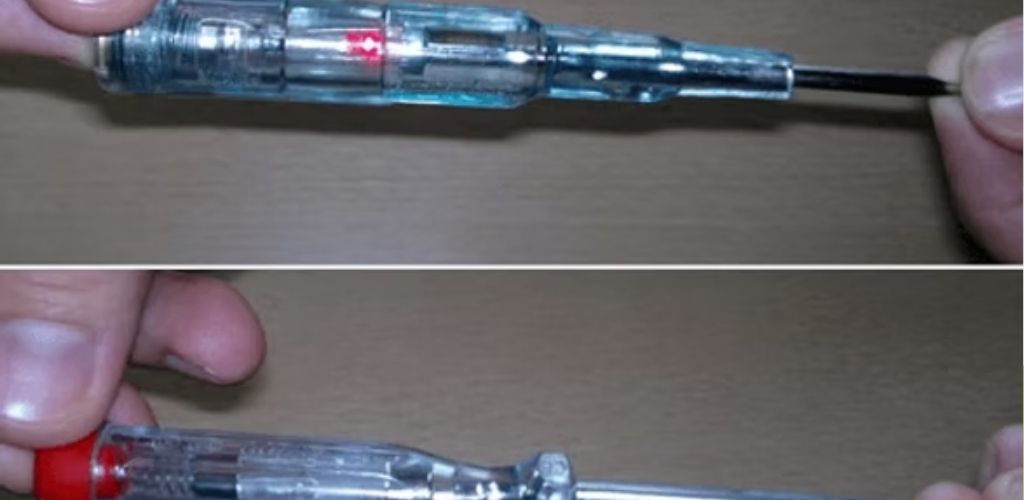
Hidden Functions of a Voltage Tester Screwdriver: More Than Just a Simple Tool
The voltage tester, often called a “test light” or “buscapolos,” is a staple in every DIYer’s toolbox. Most people know it as the tool that lights up when you touch a live wire, but its utility goes far beyond basic detection. Whether you are troubleshooting a flickering light or checking a new outlet, understanding the secondary capabilities of this device can save you time and keep your home safe. This compact tool uses a small neon lamp and a high-value resistor to safely indicate the presence of electrical potential, making it an essential instrument for basic electrical diagnostics.
Accurate Identification of Phase and Neutral Wires
One of the most frequent uses for a voltage tester is distinguishing between the “hot” (phase) and neutral wires. In a standard electrical outlet, the phase wire carries the electrical load, while the neutral completes the circuit. By inserting the tip of the tester into each slot of a socket while touching the metal cap on the handle with your finger, you can instantly identify the live wire. If the internal neon bulb glows, you have found the phase; if it remains dark, you are touching the neutral or ground. This simple check is critical before performing any repair to ensure the power is truly cut.
Detecting Dangerous Electrical Leaks in Appliances
A lesser-known but vital function of the voltage tester is detecting current leakage on the metal casings of household appliances. If an internal wire becomes frayed and touches the metal frame of a refrigerator, washing machine, or oven, the entire appliance can become “live.” By touching the tester to an unpainted metal part of the appliance’s housing, you can check for these leaks. If the light glows, there is a ground fault or a “leak” that could lead to an electric shock. This quick diagnostic can help you identify when an appliance requires professional repair or a better grounding connection.
Quick Diagnostic Guide for Voltage Testers:
| Task | Tester Reaction | Meaning |
| Phase Check | Bright Glow | Wire is Live (Phase) |
| Neutral Check | No Glow | Wire is Neutral or Ground |
| Fuse Test | Glow on one side only | Fuse is blown/broken |
| Appliance Case | Any Glow | Electrical leak detected |
| Bad Switch | No glow on either terminal | Defective switch or no power |
Testing Fuses Without Removal
Troubleshooting a dead circuit often involves checking fuses, and the voltage tester makes this process incredibly efficient. You don’t always need to pull the fuse out to see if it is still good. With the power on, touch the tester to both ends of the fuse. If the light illuminates on the incoming side but stays dark on the outgoing side, the internal element is broken, and the fuse is blown. This method allows you to scan through a fuse box in seconds, pinpointing the exact failure point without the hassle of manual inspection.
Troubleshooting Switches and Outlets
When a light switch fails to turn on a lamp, the voltage tester can help you determine if the problem lies with the bulb, the wiring, or the switch itself. By touching the terminals of the switch (with the power on), you can verify if electricity is reaching the unit. If the tester glows at the input terminal but fails to glow at the output terminal when the switch is in the “on” position, the internal mechanism is faulty. Similarly, for outlets, checking the central screw or the terminal connections can reveal if the unit is receiving power but failing to deliver it to the plug.
Basic Continuity Checks and Safety Reminders
While not a dedicated multimeter, some electricians use the voltage tester for a crude continuity check. If the neon light glows very faintly when touching one end of a circuit while the other end is connected to a ground source, it indicates a closed path. However, always remember that a voltage tester has limitations. It cannot tell you the exact voltage level (e.g., the difference between 110V and 220V), and it may not detect very low voltage levels. Always ensure your hands are dry and that you are using a tool rated for the voltage of your home’s electrical system to maintain maximum safety during your DIY projects.
Did you find these electrical tips useful for your next home project? We regularly share expert tool guides, safety hacks, and DIY tutorials to help you master your home maintenance! Please SUBSCRIBE to our page, give us a LIKE, and SHARE this post with your friends and fellow DIY enthusiasts. Do you have a favorite “hidden” use for your tools? Let us know in the comments below—we love hearing your workshop secrets!