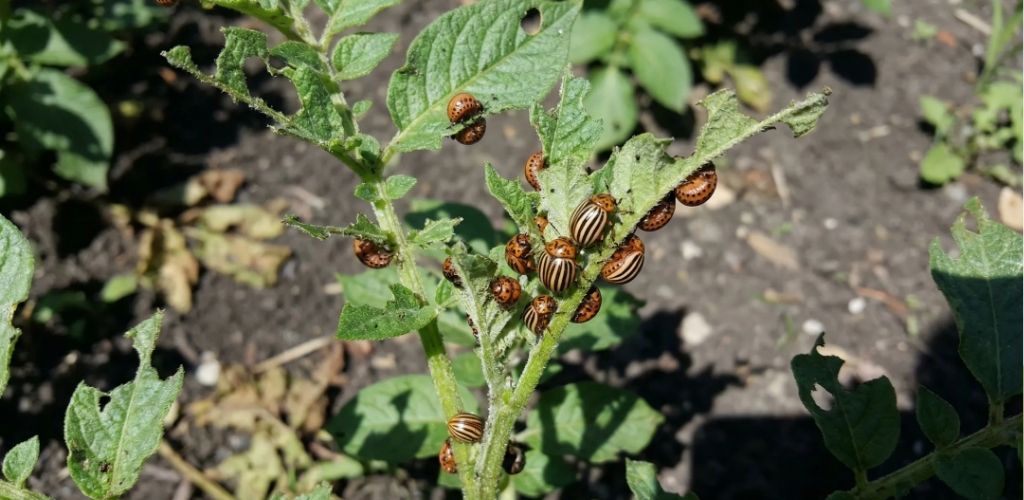
Natural Pest Control: How to Eradicate Colorado Potato Beetles Without Chemicals
The battle against insatiable garden pests often feels like a never-ending story, but there is a proven method that causes the Colorado potato beetle to abandon your crops immediately. By mastering the correct ratio of two common kitchen staples, your harvest will gain an invisible shield. This organic protection keeps your plants safe from total destruction without a single drop of industrial pesticides. In 2026, sustainable gardening is more important than ever, and these traditional methods are making a powerful comeback.
Why the Colorado Potato Beetle Is the Scourge of Modern Gardens
Every potato grower knows that this striped beetle can strip an entire field of its foliage in record time. Both larvae and adults possess a massive appetite, and without a quick intervention, only bare stems remain. For years, many gardeners relied on manual collection, which is incredibly labor-intensive and often yields poor results since eggs remain hidden on the underside of the leaves.
Chemical sprays pose risks to the soil, local pollinators, and our own health. Therefore, we look for methods based on natural repellent properties that deter pests before they can cause irreversible damage to our future food supply. The goal is to create an environment where the beetle simply refuses to stay, rather than constantly fighting a losing battle against a massive infestation.
The Mustard and Vinegar Spray: A Kitchen-Based Lifesaver
One of the most effective bio-methods comes from a simple mixture of mustard powder and vinegar. The Colorado potato beetle detests the pungent smell of mustard and the acidic aroma of vinegar, making this spray the perfect repellent. To prepare this solution, stir approximately 30 to 40 grams of mustard powder into a bucket of water and add 100 milliliters of common household vinegar to stabilize and enhance the scent.
Transfer the solution to a spray bottle and apply it directly to the green parts of the potato plants. It is crucial to hit the undersides of the leaves, where larvae and eggs typically hide. This non-toxic barrier interferes with the beetle’s sensory receptors, forcing them to look for food elsewhere. Regular application—especially after rain—ensures your “invisible shield” remains active throughout the growing season.
Natural Repellent Quick Reference:
| Method | Key Ingredients | Application Frequency |
| Mustard Spray | Mustard powder, Vinegar, Water | Once a week or after rain |
| Wood Ash | Birch or Hardwood ash | Every 2 weeks (on morning dew) |
| Walnut Infusion | Fresh walnut leaves, Rainwater | Every 10 days during peak season |
| Companion Planting | Dill or Horseradish | Plant once at start of season |
The Magic Power of Wood Ash in Pest Prevention
Wood ash is a true treasure in the garden, serving as both a nutrient-rich fertilizer and a mechanical barrier. The Colorado potato beetle has a sensitive body that suffers upon contact with alkaline ash. For the best results, use birch wood ash, which has the strongest repellent effect on these pests. Application should be done early in the morning when the leaves are still wet with dew.
Sprinkle the ash directly onto the leaves and into the spaces between the plants. An recommended dose is approximately 0.5 to 1 kilogram of ash per square meter of your potato patch. Not only does this deter the beetles, but the potassium in the ash also supports healthy tuber development. This dual-action approach ensures your plants are strong enough to resist diseases while being physically unappealing to pests.
Aromatic Allies: Companion Planting and Sawdust Tricks
Nature offers solutions in the form of companion planting, which naturally confuses the senses of harmful insects. Dill planted directly between rows of potatoes acts as an invisible scent screen that beetles find difficult to cross. Beyond repelling pests, dill promotes overall plant stability and health, making potatoes more resistant to common molds that thrive in dense foliage.
Another effective trick involves using fresh pine sawdust to mulch the soil beneath your plants. The Colorado potato beetle cannot stand the smell of pine resin and will avoid areas where it is present. This saves you significant time spent spraying and provides an extra layer of protection for the root zone. By layering different aromatic defenses, you create a multi-level security system for your garden.
Walnut and Tomato Leaf Infusions: Traditional Wisdom
Walnut leaves contain a substance called juglone, known for its natural herbicidal and insecticidal effects. An infusion made from fresh walnut leaves is a potent weapon against a beetle invasion. Soak one kilogram of fresh leaves in ten liters of rainwater and let it steep for about a week in a dark place. The resulting dark, pungent liquid can be sprayed on the leaves at regular intervals to drive pests away.
Interestingly, even tomato leaves can be used. Since tomatoes and potatoes belong to the same family, the alkaloids found in tomato stems are highly unappealing to the Colorado beetle. By rotating these different natural sprays, you prevent the insects from becoming accustomed to a single scent. This comprehensive, ecological approach ensures your harvest remains healthy, chemical-free, and abundant until the very end of the season.
Did you find these natural pest control tips helpful for your 2026 garden? We regularly share organic gardening hacks and traditional wisdom to help you grow the healthiest food possible! Please SUBSCRIBE to our page, give us a LIKE, and SHARE this post with your fellow gardeners. What is your favorite chemical-free way to protect your crops? Let us know in the comments below—we love learning from your experiences!