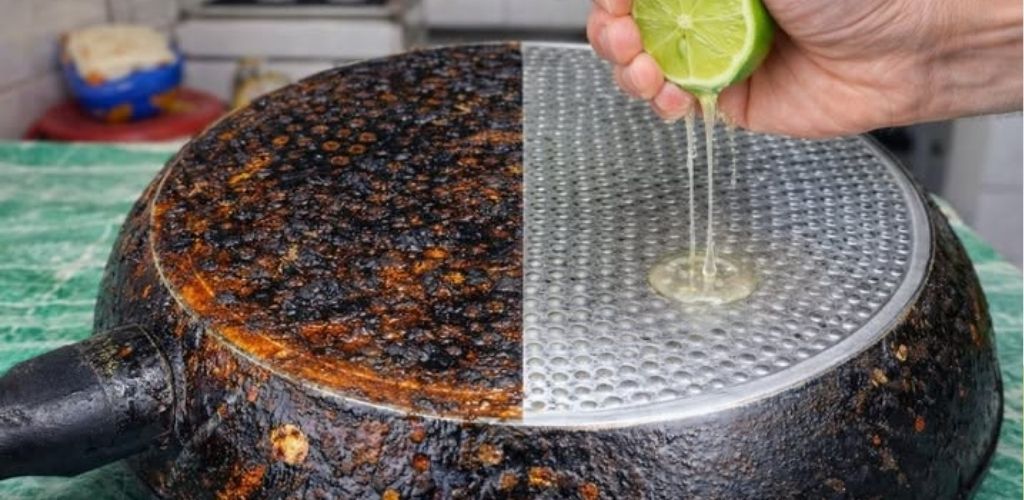
The Powerful Science of Charcoal and Lemon for Kitchen Cleaning
The secret behind this effective cleaning method lies in a fascinating combination of physical and chemical properties. Charcoal functions as a gentle yet highly absorbent abrasive, while lemon provides natural acidity. When blended, they create a potent cleaning paste that doesn’t just scrub away surface grease but also helps lift stubborn, burnt-on residues without being as harsh as industrial chemicals. Because charcoal is naturally porous, it excels at capturing deep-seated grime and neutralizing lingering food odors, while the lemon acts as a natural degreaser to cut through oily layers.
Dual Action: Mechanical and Chemical Cleaning
This homemade mixture delivers a simultaneous mechanical and chemical cleaning action. As you scrub, the fine charcoal particles lightly polish the surface, smoothing out minor imperfections. Meanwhile, the citric acid from the lemon works to dissolve the most difficult layers of oxidation and buildup. This is why you will notice an almost immediate transformation in the shine of your cookware, particularly on aluminum or stainless steel items that have lost their original luster due to constant use and high heat.
Safe Application and Best Practices
While this hack is incredibly effective, it is important to follow specific steps to protect your kitchenware. You should avoid applying excessive pressure on delicate surfaces or pans with non-stick coatings, as the abrasive nature of charcoal could potentially cause micro-scratches. For the best results, ensure the charcoal is finely crushed and sifted to remove any large, sharp chunks. If you are dealing with extreme carbon buildup, allow the paste to sit on the surface for a few minutes before you start scrubbing to let the acid break down the grime.
Kitchen Cleaning Hack Comparison:
| Method | Best For | Main Benefit | Caution |
| Charcoal & Lemon | Stainless steel & Aluminum | Restores shine & removes odors | Avoid on non-stick pans |
| Baking Soda & Vinegar | General degreasing | Non-toxic bubbling action | Can be messy |
| Steel Wool | Cast iron (uncoated) | Heavy-duty scrubbing | Very abrasive |
| Dish Soap & Water | Daily maintenance | Easy and fast | Won’t remove burnt stains |
Enhancing the Potency of Your Homemade Cleaner
You can easily upgrade this basic recipe by incorporating other common household items. Adding a few drops of concentrated dish detergent can significantly boost the degreasing power, making it easier to rinse away the charcoal residue. Alternatively, adding a pinch of baking soda can reinforce the abrasive effect for those truly “impossible” stains on the bottom of your pots. These simple modifications allow you to tailor the cleaning intensity based on the specific challenge you are facing in the kitchen.
Integrating Natural Solutions into Your Routine
The true effectiveness of this method is found in consistency. Instead of waiting for a pan to become completely unusable, using this natural paste periodically prevents difficult buildup from forming in the first place. By shifting from reactive cleaning to proactive care, this hack evolves from a one-time emergency fix into a practical, everyday tool for kitchen maintenance. It is a cost-effective way to keep your professional-grade cookware looking and performing like new for years to come.
Sustainable Care for Long-Lasting Cookware
Embracing natural cleaning alternatives like charcoal and lemon is not just about saving money; it’s about reducing the chemical load in your home environment. These biodegradable ingredients are safe for your family and effective enough for the toughest kitchen grime. As you master these simple techniques, you will find that maintaining a sparkling kitchen is much easier and more satisfying when you understand the science of how your ingredients work together.
Did this natural cleaning hack help you save your favorite pan? We love sharing innovative DIY solutions, home maintenance tips, and sustainable lifestyle hacks to make your daily routine easier! Please SUBSCRIBE to our page, give us a LIKE, and SHARE this post with your friends and family who love a sparkling kitchen. Do you have a secret cleaning tip we should know about? Let us know in the comments below—we’d love to hear your ideas!