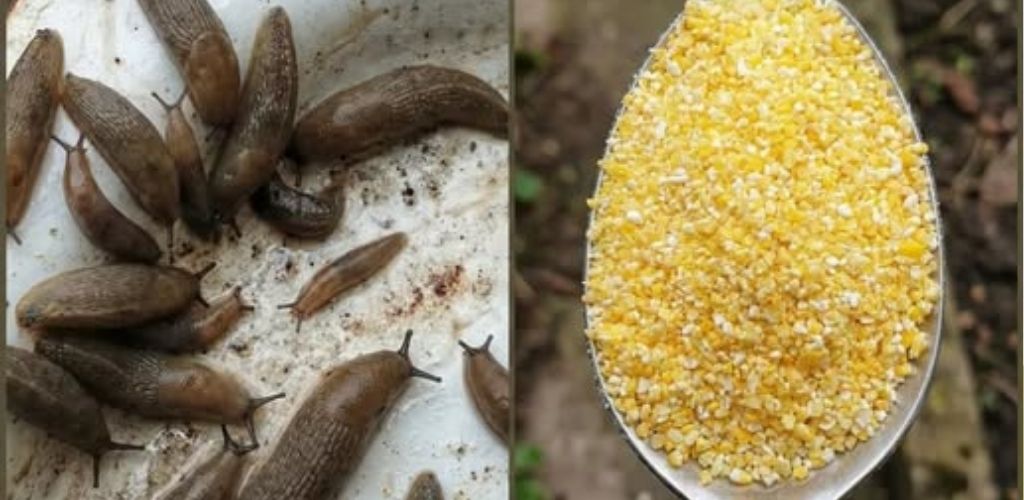
Stop Slugs and Snails Naturally: The Ultimate Eco-Friendly Guide to Protecting Your Harvest
Every gardener knows the heartbreaking sight of holes in lettuce leaves and slimy trails across the perfect strawberries. This “nightly invasion” can ruin months of hard work in a single evening. However, effective plant protection against mollusks doesn’t require expensive, toxic chemicals. Instead, you can safeguard your harvest using two common ingredients you likely consider waste. By understanding the natural weaknesses of slugs and snails, you can create a definitive barrier without harming your garden’s ecosystem.
Why Slugs and Snails Target Your Backyard
Slugs and snails aren’t in your garden by accident; they are searching for high humidity and tender young plant tissues. Their biology relies on a constant supply of water to produce the protective mucus they need for movement. Compacted soil, unraked leaf piles, and tall grass near your vegetable beds provide the perfect daytime shelters from the scorching sun. If you provide these comfortable conditions, their population will multiply exponentially throughout the season.
The Caffeine Shield: Coffee Grounds as a Neurotoxin
The first “miracle” ingredient found in almost every kitchen is spent coffee grounds. While often tossed into the trash, for slugs, this is a deadly threat. The residual caffeine acts as a potent neurotoxin that can paralyze their nervous systems. Even the scent of dried coffee grounds keeps them at a safe distance. This biological mechanism is far more effective than mechanical traps because it targets the pests directly through their sensitive sense of smell and skin, while also acting as a nitrogen-rich fertilizer for your soil.
Comparison of Natural Pest Control Methods
| Method | Primary Action | Best Used For | Garden Benefit |
| Coffee Grounds | Neurotoxic (Caffeine) | Tomatoes, Berries | Nitrogen Enrichment |
| Mustard Powder | Chemical Irritant | Raised Bed Borders | Quick Application |
| Crushed Shells | Mechanical (Sharp) | Leafy Greens | Calcium Source |
| Aromatic Herbs | Olfactory Repellent | Garden Perimeter | Edible Harvest |
How to Properly Apply Coffee Barriers
To be effective, coffee grounds must be thoroughly dried before application to prevent rot or mold in the garden. Spread the grounds on old newspapers in the sun until they are completely dry, then sprinkle them around the stems of your plants. Create a continuous ring at least three centimeters wide around each bush or lettuce row. For a snail, crossing this caffeine barrier is physically painful, forcing them to find a different path away from your crops.
Mustard Powder: The Uncompromising Chemical Barrier
The second game-changing ingredient is common mustard powder. This pantry staple contains irritating substances that trigger a violent reaction when they contact the moist body of a mollusk. When a slug attempts to crawl over a layer of mustard, its mucus immediately begins to foam in response to the aggressive particles. This experience is so unpleasant that the pest retreats instantly. This combination of mechanical and chemical protection makes mustard a “queen” of natural repellents.
Strategic Timing for Maximum Results
The peak of slug activity occurs after rain, when the air is saturated with moisture. This is the moment your mustard defense must be ready. Sprinkle the powder on drier spots like concrete curbs or the wooden edges of raised beds to create an invisible boundary. It is essential to repeat this process after every heavy downpour, as water gradually washes the powder into the soil. In this battle, consistency and timing are far more important than the quantity of material used in a single application.
Did these natural tips help you save your garden? We regularly post innovative organic gardening hacks, DIY plant protection, and sustainable lifestyle guides! To stay updated and never miss a harvest-saving tip, make sure to SUBSCRIBE to our page. Give us a LIKE if you support toxic-free gardening, and SHARE this post with your fellow green-fingered friends. Have you tried coffee or mustard in your garden before? Tell us your success stories in the comments below – we would love to hear from you!