Hydrangea Care Guide: How to Fertilize and Prune for a Summer Explosion of Blooms
Every year, many gardeners eagerly await an explosion of color, only to be met with weak shoots and tiny flowers that wither away far too soon. The secret to success lies in the critical spring window. Proper hydrangea fertilization during April makes the ultimate difference, determining whether your garden bed will be the pride of the neighborhood or just another lackluster corner of the yard. By understanding the unique needs of these acid-loving shrubs, you can unlock their full potential and ensure a spectacular floral display.
Why Hydrangeas Struggle After Winter and Lose Their Bloom Power
The winter months can be incredibly exhausting for these ornamental shrubs, especially if the soil was exposed to deep freezes. As warmer days arrive, the weakened root system requires an immediate energy boost to regenerate tissues. Often, the main problem is improper soil pH; rain and snow can make the ground too alkaline. Hydrangeas are famous for their love of acidic environments, without which they cannot effectively absorb nutrients, even if you cover them in high-end fertilizer.
If a bush doesn’t get what it needs by April, it begins to redirect its energy toward mere survival rather than forming flower buds. The result is a dense mass of green leaves with no colorful blooms to be found. To avoid this, a strategic jolt of energy is required. By checking the soil acidity early in the season, you can ensure that your fertilization efforts actually reach the plant’s vascular system instead of sitting uselessly in the dirt.
The Essential Spring Inventory: Pruning Based on Species
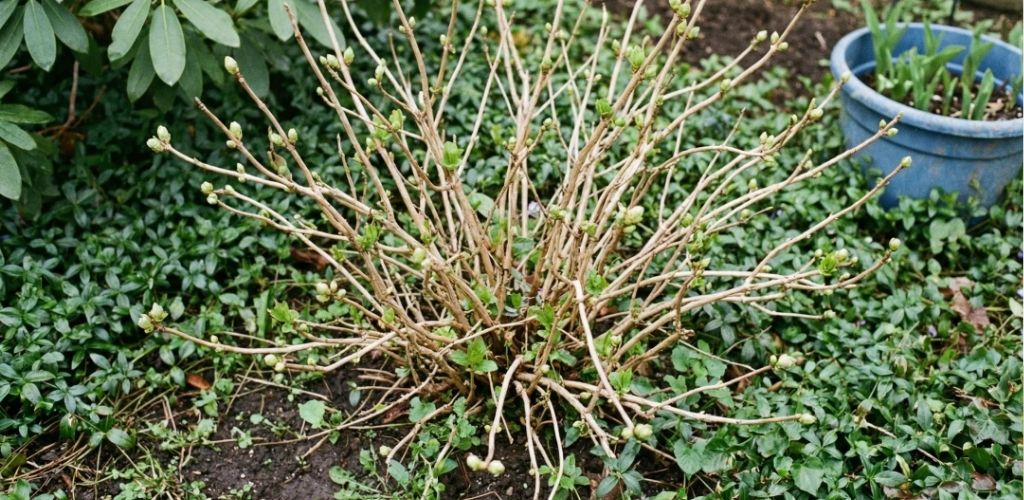
Before applying any nutrients, you must perform a thorough inspection of every hydrangea in your garden. Look for stems that are dry to the touch, black, or showing signs of frost damage. Removing these parts is liberating for the plant, as it stops nourishing dead tissue and focuses on new growth. However, pruning must be done with caution and knowledge of the specific species you are growing.
Hydrangea Pruning and Care Quick Reference
| Hydrangea Type | Pruning Style | Flowering Wood | Best Spring Care |
| Panicle / Smooth | Radical cut | New wood | Cut back by 1/3 to stimulate growth |
| Bigleaf / Mophead | Minimal / Cleaning | Old wood | Remove dead tips only to save buds |
| Climbing | Thinning only | Old wood | Remove crossing branches for airflow |
The Secret Homemade Elixir for Record-Breaking Blooms
If you are looking for a way to give your plants everything they need without industrial chemicals, the answer is in your kitchen. Natural hydrangea fertilization using coffee grounds and mustard seeds is a trick passed down by master gardeners. Coffee grounds are rich in nitrogen, the motor for green growth and overall bush strength. Mustard seeds provide essential minerals like potassium and phosphorus, which are responsible for the size and vivid coloring of the flowers.
This combination also acts as a prevention against chlorosis—a condition where leaves turn yellow due to iron and magnesium deficiency. This homemade blend releases nutrients gradually, ensuring the plant is consistently nourished without the risk of “fertilizer shock.” It is a sustainable, low-cost way to treat your garden to a professional-grade nutrient boost while recycling everyday household items.
DIY Recipe: April’s Miracle Hydrangea Fertilizer
To prepare this miraculous solution, you will need one cup of ground coffee and half a cup of mustard seeds. Pour one liter of clean water over these ingredients and bring the mixture to a boil. Allow it to cool completely to room temperature so all the active substances can be fully released into the liquid. Once cooled, blend the mixture until you achieve a smooth, nutrient-dense emulsion.
Dilute this concentrate with four liters of standing (dechlorinated) water to reach the ideal strength for your shrubs. Use this solution to water the soil around your hydrangeas at regular intervals throughout the month. Since coffee acts as a mild acidifier, it creates the optimal conditions for the roots to absorb all the other microelements present in the mix, leading to deeper colors and sturdier shoots within just a few weeks.
Mastering Spring Watering and Maintenance Techniques
Hydrangeas are extremely sensitive to moisture levels—even their name is derived from the Greek word for “water vessel.” Spring can be deceptive; while it may seem damp, wind can dry out the top layer of soil in hours. Always water early in the morning or late in the evening to minimize evaporation. Direct the water toward the roots, not the leaves, to prevent fungal diseases from developing in the dense foliage.
Before applying your homemade fertilizer, gently water the bed with plain water first. This ensures the nutrient solution reaches the roots evenly rather than running off the surface. For long-term health, consider mulching with pine bark or pine cones. Not only does this look beautiful, but as the pine material decomposes, it naturally maintains the soil acidity that hydrangeas love, mimicking the conditions of their native forest habitats.
Did this guide help your hydrangeas shine? We regularly share expert gardening hacks, organic fertilizer recipes, and seasonal plant care guides! To stay updated and ensure your garden is the best on the block, make sure to SUBSCRIBE to our page. Give us a LIKE if you support natural gardening, and SHARE this post with your fellow plant lovers. Have you tried using coffee in your garden before? Tell us your results in the comments below—we would love to hear from you!