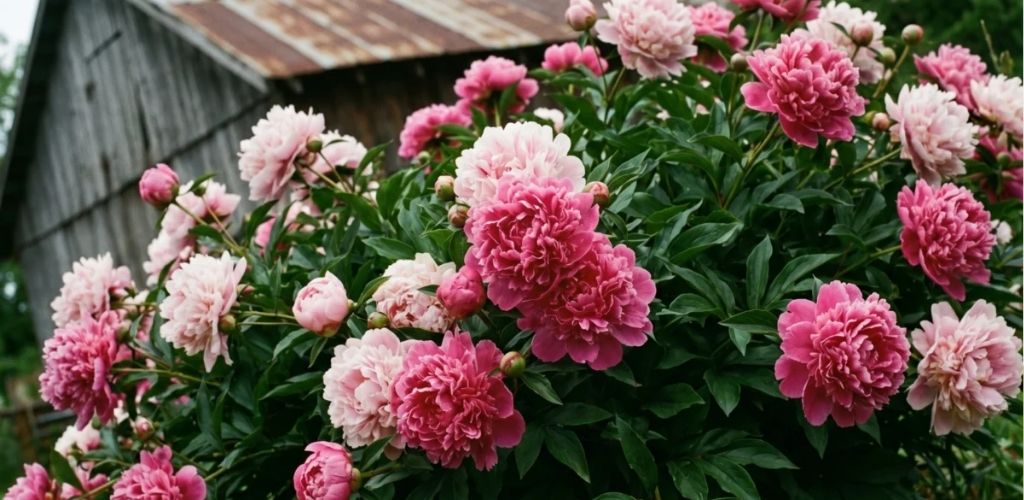
Transform Your Garden: The Secret to Explosive Spring Blooms
As nature awakens after the long winter months, plants require a massive surge of energy to ignite new buds. Proper spring flower fertilization can transform even the most ordinary front yard into a magical, fragrant sanctuary. While many gardeners rush to buy expensive store-bought chemicals, there is a surprising homemade elixir that often works significantly better. Understanding how to feed your soil during this critical window is the difference between a sparse garden and a breathtaking floral display.
Why Winter-Depleted Soil Struggles to Support New Growth
During the cold months, soil undergoes a difficult period where essential free nutrients are washed away by rain and snow. The decomposition of organic matter grinds to a halt due to the frost, leaving roots in a weak, exhausted environment come spring. If shrubs and perennials do not find enough energy quickly, they immediately begin to ration their precious reserves. Instead of producing massive, fragrant flowers, they invest all their strength into basic survival and leaf production, resulting in empty branches devoid of color.
Crafting the Perfect DIY Spring Fertilizer Mix
For most common perennials, you don’t need complex, overpriced chemical formulas. Experienced growers swear by the power of aged chicken manure combined with basic minerals. This time-tested mixture provides the soil with a massive dose of nitrogen while revitalizing essential microorganisms. To prepare this “energy bomb,” mix half a liter of high-quality chicken manure with ten grams of a standard multi-component fertilizer for flowering plants into ten liters of standing water. Ensure the mixture dissolves completely to avoid clumps, creating a potent solution for your roses, peonies, and lilies.
Comparison: Homemade Elixir vs. Chemical Fertilizers
| Feature | Homemade Manure Elixir | Commercial Chemical Mix |
| Nitrogen Source | Natural/Organic | Synthetic |
| Soil Microflora | Revitalizes and feeds | Can inhibit growth over time |
| Cost | Minimal/Recycled | High |
| Effect on Roots | Gradual and deep | Immediate but superficial |
| Application | Liquid/Soil drench | Granular or liquid |
Timing and Techniques for Safe Application
The most effective time to apply this homemade mixture is typically in mid-May. By then, the soil has warmed sufficiently, allowing roots to actively absorb nutrients. However, never pour liquid nutrition directly onto bone-dry, cracked earth, as this risks fatally burning the delicate surface roots responsible for moisture intake. Always water the garden bed thoroughly with clean water first. Once the water has soaked in deep, apply the nutrient solution directly to the base, taking care not to splash the green leaves.
Special Care for Sensitive Hydrangeas and Roses
While much of the garden can handle a universal approach, hydrangeas require specific, delicate care. These shrubs are acid-loving species and quickly wither in alkaline soil. If the pH level rises too high, they lose the ability to absorb iron. A brilliant trick is to use common citric acid from your kitchen—dissolve ten grams in ten liters of water and drench the plant before the main blooming period. For “queens of the garden” like roses, remember that feeding isn’t enough; you must also practice “deadheading” by cutting spent blooms just above the first healthy leaf to stimulate continuous budding.
Protection Against Fungal Diseases and Pests
Nutrition alone cannot guarantee success if your plants are attacked by aggressive fungal infections. About ten days after fertilizing, apply a preventive shield using potassium permanganate. Just two grams of these purple crystals in ten liters of lukewarm water creates a pale pink solution with powerful antibacterial effects. This treatment eliminates dangerous pathogens in the soil and strengthens the plant’s defenses for humid summer days. Combined with proper mulching to retain moisture and suppress weeds, these steps ensure your perennials remain vibrant until the arrival of autumn.
Did these gardening secrets help you prepare for the new season? We regularly share professional horticulture tips, DIY hacks, and organic solutions to help your garden thrive! If you want to see your flowers reach their full potential, SUBSCRIBE to our page! Please give this article a LIKE if you found it useful and SHARE it with your fellow garden enthusiasts. Do you have a favorite homemade fertilizer recipe? Tell us about your experiences in the comments—we love hearing from our community of growers!