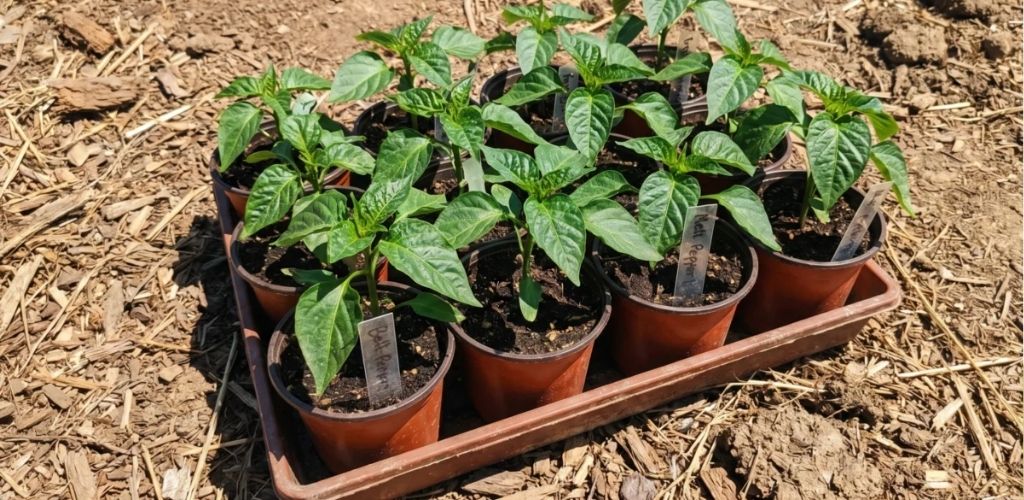
Pepper Seedling Fertilization: The Secret to Rapid Growth and Huge Yields
Fertilizing pepper seedlings is a critical step that determines whether your plants will thrive or struggle once moved outdoors. Many gardeners underestimate this final stage of indoor preparation, yet the right nutrition at the right time can work miracles. To avoid the common pitfall of stagnant growth after transplanting, you must prepare your plants from the inside out. By strengthening their root systems and building up mineral reserves, you ensure that your peppers don’t just survive—they explode with vitality the moment they hit the garden soil.
Why Pepper Plants Often Stagnate After Transplanting
Moving a young plant from the protected environment of a windowsill to the open field is a massive shock. The seedling must suddenly cope with direct sunlight, fluctuating temperatures, and the mechanical stress of the wind. If the root system is not sufficiently developed, the plant cannot effectively absorb water and nutrients in its new location. This leads to yellowing leaves, halted growth, and a weakened immune system. The key to success is creating a “nutrient bank” within the plant tissues to help it overcome these stressful first days in the garden.
The Power of Phosphorus for a Massive Root System
In the final ten days before your planned planting date, the focus must shift entirely to stimulating the underground portion of the plant. Phosphorus is an irreplaceable element in this regard because it directly influences the formation of new root hairs. A dense and vital root ball allows the plant to “wake up” faster in the garden and begin actively drawing resources from the soil. Phosphorus also plays a crucial role in energy transfer within cells during periods of intensive growth, preventing the purple discoloration often seen on the underside of stressed leaves.
Comparison: Potassium Sources for Pepper Seedlings
| Feature | Potassium Sulfate | Potassium Nitrate |
| Nitrogen Content | 0% (Pure Potassium/Sulfur) | ~13% Nitrogen |
| Best For | Lush, dark green seedlings | Leggy or pale seedlings |
| Main Benefit | Tissue ripening & hardening | Growth boost & stem strengthening |
| Solubility | High | Very High |
| Risk | Minimal | Can cause overgrowth if overused |
Potassium: The Architect of Plant Immunity
While phosphorus builds the foundation below ground, potassium ensures the strength and resilience of the stems and leaves. This mineral regulates the opening of stomata and manages water balance within the plant. High levels of potassium make cell walls tougher, allowing them to better resist pathogen attacks and wind damage. Furthermore, potassium accelerates cell division in the growth tips, meaning your peppers won’t “stand still” after transplanting but will instead continue their development seamlessly, leading to an earlier harvest of sweet, fleshy fruits.
The Miracle DIY Elixir Recipe for Pepper Seedlings
To prepare this highly effective solution, you don’t need expensive store-bought chemicals. The foundation is simple wood ash, which is a natural, concentrated source of phosphorus, calcium, and essential trace elements. Add exactly one liter of sifted wood ash to ten liters of clean, settled water. Stir thoroughly and let it sit for a few hours to release the minerals. For maximum impact, add two tablespoons of potassium sulfate to provide potassium in a rapidly absorbable form. This combination acts as an energy bomb that readies the plant for the transition to the outdoors.
Mastering the Application and Hardening Process
Apply this solution exactly ten days before transplanting. Water the seedlings directly at the roots, ideally in the morning or early evening when the sun is not too aggressive. Ensure the soil in the pots is slightly moist before fertilizing to prevent burning the delicate root hairs. Alongside this nutrition, remember to gradually harden off your plants by placing them in the shade outdoors for a few hours each day, slowly increasing their exposure to direct sun and wind. This dual approach of superior nutrition and physical training guarantees a record-breaking pepper season with virtually zero transplant loss.
Are you ready to see your pepper plants thrive like never before? We regularly share professional gardening secrets, DIY organic recipes, and expert advice to help you grow the best harvest of your life! If you want to master your garden this year, SUBSCRIBE to our page! Please give this article a LIKE if you found these tips helpful and SHARE it with your fellow gardeners. Do you have a secret trick for growing peppers? Tell us about your garden wins in the comments—we love hearing from our community of growers!