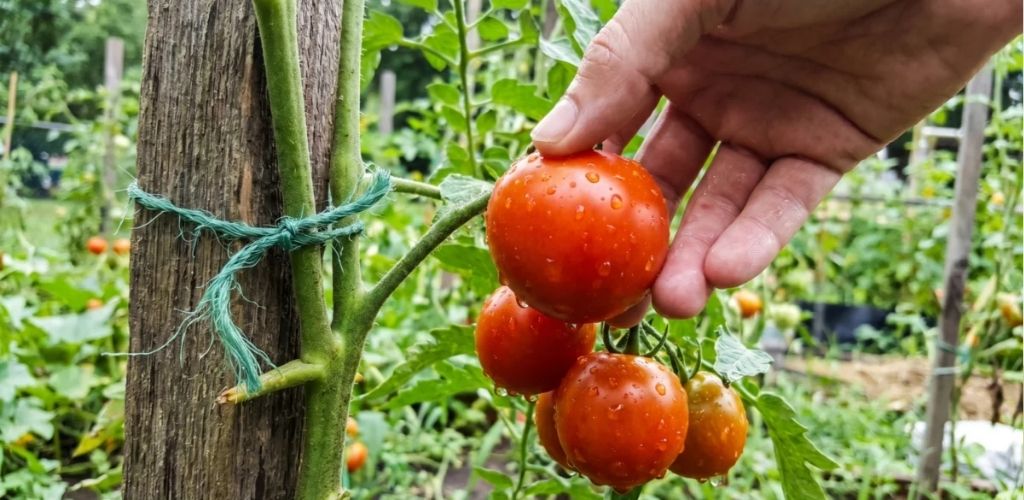
The Secret to Giant Tomatoes: Why Companion Planting is the Key to Your Best Harvest
Every year, you invest significant energy into starting your seedlings, yet the final harvest often falls short of your high expectations. If you are unsure what to plant with tomatoes, you are likely making a fundamental mistake right at the beginning of the spring season. Embracing the world of natural plant partnerships can multiply your fruit production and create a perfect shield against pests without a single drop of harsh chemicals. Understanding these biological links is the difference between a struggling garden and a flourishing ecosystem.
Why Monoculture Beds Often Lead to Poor Results
Growing a single crop across a large area is an open invitation for specialized pests. Insects quickly detect the concentrated scent of their favorite food and begin to multiply uncontrollably on the unprotected green leaves. Furthermore, a monoculture bed exhausts the soil in a one-sided way, as identical root systems draw water and minerals from the exact same soil depth. This leads to a rapid loss of fertility and poor soil structure. Mixed planting stops this destructive process immediately, ensuring that different species complement and protect one another rather than competing.
Natural Nitrogen Boosters: What to Plant with Tomatoes for Growth
Nitrogen is essential for creating massive, healthy green foliage. Knowing which companions to choose can save you a fortune on expensive store-bought fertilizers. Legumes, such as bush beans or peas, are the perfect answer. These plants live in symbiosis with special bacteria on their roots that capture nitrogen from the air and store it in the ground. By planting them nearby, your tomatoes receive a steady, 100% natural supply of this vital nutrient. Additionally, interplanting with garlic and onions confuses the senses of flying insects with their strong essential oils.
Quick Reference: Best and Worst Tomato Companions
| Companion Type | Plant Species | Primary Benefit / Risk |
| Fertilizers | Beans, Peas | Natural nitrogen fixation |
| Protectors | Marigolds, Nasturtium | Kills nematodes and repels aphids |
| Stimulators | Carrots, Lettuce | Improves soil structure & retains moisture |
| The “Enemies” | Potatoes, Cabbage | Shared diseases & stunted growth |
Living Mulch and Soil Stimulators
Utilizing helper crops within your main garden bed is a brilliant move. Lettuce, with its broad leaves, acts as a living mulch over shallow roots, keeping the soil moist during the hottest summer days. Root vegetables like carrots and celery penetrate different soil layers, ensuring there is no battle for moisture or space. Meanwhile, plants like phacelia and mustard serve as “green manure.” Their deep roots aerate hard soil, and once they finish blooming, they can be cut down to provide a mineral-rich organic feast for beneficial soil microorganisms.
Creating a Protective Fortress Against Pests
Common stinging nettles are actually a blessing for tomatoes; their presence increases the plants’ natural immunity to fungal diseases and deters aphid invasions. However, the absolute hero of companion planting is the Marigold. Their roots excrete powerful substances into the earth that kill microscopic soil nematodes—tiny worms that would otherwise destroy delicate tomato root hairs. Planting marigolds around the perimeter of your bed creates a fragrant, impenetrable defensive wall that keeps your crops safe throughout the season.
Plants to Avoid: The Dangerous Neighbors
Unfortunately, not every neighbor leads to success. Some species actively harm each other by secreting substances that stunt development. Cabbage and radishes fall into this category, as they can slow down the ripening process and reduce the sweetness of your tomatoes. The biggest “taboo” in any garden, however, is planting tomatoes near potatoes. Both belong to the same family and share a devastating enemy: late blight. This fungus can wipe out an entire crop in a few damp days. To ensure safety, always grow these two crops at opposite ends of your property.
Are you ready to transform your garden into a high-yielding, self-sustaining paradise? We regularly share professional organic gardening secrets, DIY pest control hacks, and natural solutions to help your harvest thrive! If you want to master the art of companion planting this year, SUBSCRIBE to our page! Please give this article a LIKE if you found these tips helpful and SHARE it with your fellow gardeners. Do you have a favorite plant combination that works wonders? Tell us about your garden successes in the comments—we love hearing from our community of growers!