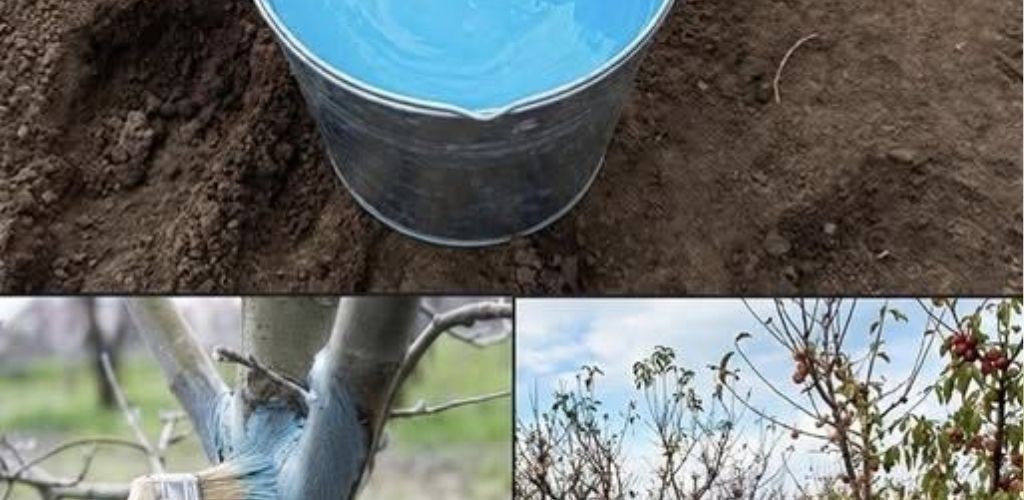
The Essential Guide to Spring Spraying: How to Protect Your Fruit Trees for a Bountiful Harvest
Spring is the most critical season for orchard maintenance and fruit tree protection. As the buds begin to awaken, so do various pests and dangerous diseases that can significantly jeopardize your future yield. A properly executed spring spraying routine does more than just kill bugs; it strengthens the tree’s overall vitality and ensures a harvest full of healthy, robust fruit. Taking proactive steps now is the difference between a struggling orchard and a garden teeming with life.
Why Early Spring Protection is Vital
Throughout the winter months, pest larvae, fungal spores, and harmful bacteria hide in the crevices of the bark and the surrounding soil. As temperatures rise, these organisms multiply with incredible speed. Without a protective barrier, your trees face several risks:
- Leaf Curl: Especially devastating for peach and nectarine trees.
- Fruit Rot: Fungal infections that destroy fruit before it ripens.
- Aphid and Mite Infestations: Pests that drain the tree of its essential nutrients.
- General Stunting: A weakened tree produces smaller, less flavorful fruit.
Preventative spraying remains the most efficient and cost-effective method to stop these issues before they take root.
Top Solutions for Effective Spring Spraying
Choosing the right treatment is key to targeting specific threats. Most gardeners rely on a combination of three primary solutions to cover all bases:
- Copper-Based Sprays: These are the gold standard for fighting fungal diseases. They are particularly effective against peach leaf curl and apple scab. It is best to apply these in very early spring, just before the buds begin to swell and open.
- Horticultural Oil Sprays: These act mechanically rather than chemically. The oil creates a thin film over the branches, suffocating overwintering eggs of aphids, spider mites, and scale insects.
- Sulfur Sprays: Sulfur is an excellent organic option for controlling powdery mildew and certain types of molds. It is widely used for apple and pear trees, as well as currant bushes.
Quick Reference: Spraying Guide by Threat
| Treatment Type | Target Problem | Best Timing |
| Copper | Fungi & Bacteria | Pre-bud break |
| Oil | Overwintering Pests | Early spring (above 5°C) |
| Sulfur | Mildew & Molds | Early growth stage |
Optimal Timing and Weather Conditions
Timing is everything in the garden. For maximum efficacy, the ideal window for spring spraying usually falls between February and March, depending on your local climate. It is crucial to monitor the thermometer; ensure the temperature is consistently above 5°C. For the spray to stick and work effectively, choose a day that is dry and calm, with no wind to prevent the solution from drifting. When applying, ensure you cover the entire tree uniformly—don’t forget the trunk and the undersides of the thickest branches.
Pro Tips for Maximum Success
To get the most out of your efforts, consistency and thoroughness are required. Always spray in the early morning or late evening to avoid direct, harsh sunlight which can cause the solution to evaporate too quickly or scorch delicate tissue. Before you begin, take a moment to remove any loose, old, or damaged bark from the trunk, as these are the primary hiding spots for pests. A clean tree allows the spray to reach every hidden pocket where pathogens might be lurking.
The Path to a Healthy Harvest
Trees that receive proper care in the spring are noticeably stronger and more resistant to summer heat and stress. By following this simple, proven routine, you are making a conscious decision to favor a basket full of beautiful, healthy fruit over a season of disappointment. Your fruit trees are an investment in your health and your landscape—give them the start they deserve this spring.
I wish you health and harmony with nature! 🌿 If you found these gardening tips helpful, please SAVE this post and SHARE it with your friends—you are helping spread the message of natural care and a healthy lifestyle. Don’t forget to SUBSCRIBE to our page for more seasonal advice and give us a LIKE if you enjoyed this article! 🍏🍒