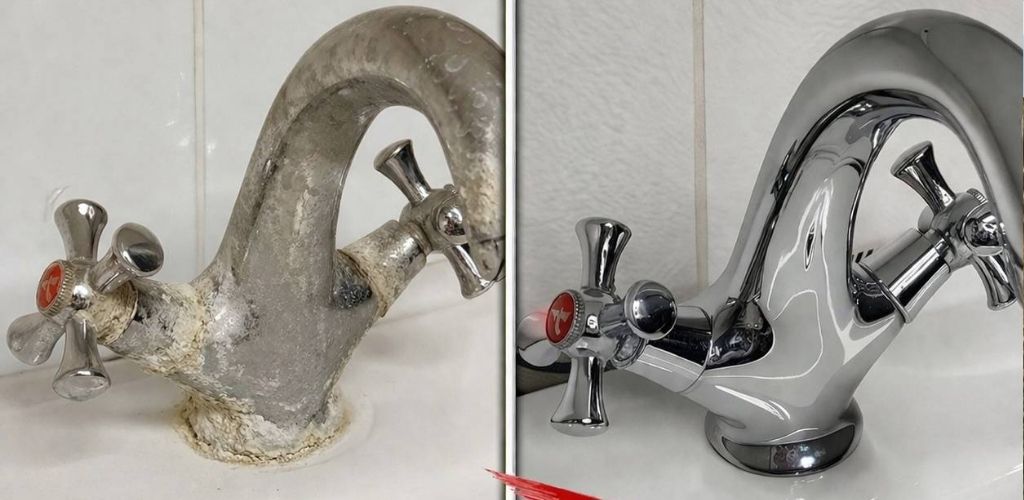
How to Restore Your Faucet’s Shine: The Ultimate Natural Limescale Removal Hack
Have you noticed your kitchen or bathroom faucet losing its luster, covered in stubborn white spots that just won’t budge? This common household eyesore is caused by limescale—a buildup of minerals like calcium and magnesium found in “hard water.” When water evaporates, it leaves behind these chalky deposits that eventually harden into a rock-like crust. If left untreated, limescale can permanently dull your chrome finishes and even clog your water filter, reducing flow and efficiency.
Why White Vinegar is a Secret Weapon for Cleaning Fixtures
You don’t need expensive, toxic chemicals to tackle hard water stains. Plain white vinegar is one of the most effective natural cleaners because its acetic acid reacts with alkaline mineral deposits, dissolving them on contact. It is eco-friendly, safe for most surfaces, and incredibly affordable. By using this simple pantry staple, you can break down years of buildup and return your fixtures to their original “showroom” condition in less than an hour.
Step-by-Step Guide to Deep Cleaning Your Faucets
To achieve professional results at home, follow this easy procedure. You will need white vinegar, paper towels, a soft sponge, and a small plastic bag for the aerator.
- Initial Rinse: Start by rinsing the faucet with cold water to remove any loose surface dirt.
- The Soak Technique: For light stains, simply wipe the area with vinegar. For heavy buildup, soak paper towels in white vinegar and wrap them tightly around the base and spout of the faucet.
- Dwell Time: Let the vinegar sit for 30 to 60 minutes. This gives the acid time to penetrate the hardened minerals.
- The Aerator Trick: Fill a small plastic bag with vinegar, submerge the faucet head in it, and secure it with a rubber band to deep-clean the filter.
- Rinse and Polish: Remove the towels, scrub gently with a soft sponge, rinse with cold water, and—most importantly—buff dry with a clean cloth.
Limescale Removal Quick Reference:
| Method | Severity | Recommended Time |
| Spray & Wipe | Mild / Daily | 2-5 minutes |
| Vinegar-Soaked Paper Towels | Moderate / Weekly | 30 minutes |
| Plastic Bag Submersion | Severe / Monthly | 1-2 hours |
| Warm Vinegar Soak | Extreme Buildup | 45 minutes |
Pro-Tips for Maintaining a Sparkling Sink and Basin
Limescale doesn’t just attack the metal; it often leaves yellow or grey rings around the sink basin where soap scum and minerals mix. A great hack is to spray the entire basin with vinegar and let it sit for a few minutes before scrubbing. This softens the grime, making it much easier to wipe away. For an extra deep clean, you can create a paste using vinegar and a little dish soap to lift stubborn stains without scratching the porcelain or stainless steel.
Critical Precautions to Protect Your Hardware
While vinegar is a powerful cleaner, it must be used correctly to avoid damage. Never use metallic sponges or abrasive brushes, as these will leave permanent scratches on chrome or matte finishes. If you have trendy black or gold faucets, always test a small, hidden area first, as the acid can sometimes affect delicate coatings. Additionally, always make it a habit to dry your faucet with a microfiber cloth after every use; preventing water from sitting on the surface is the best way to stop limescale from returning.
Keep Your Home Shining Effortlessly
Keeping your faucets bright and functional doesn’t have to be a chore or a major expense. With a little consistency and the power of natural vinegar, you can maintain a beautiful home while being kind to the environment. Incorporate this quick soak into your weekly cleaning routine, and you’ll never have to struggle with “rock-hard” mineral deposits again.