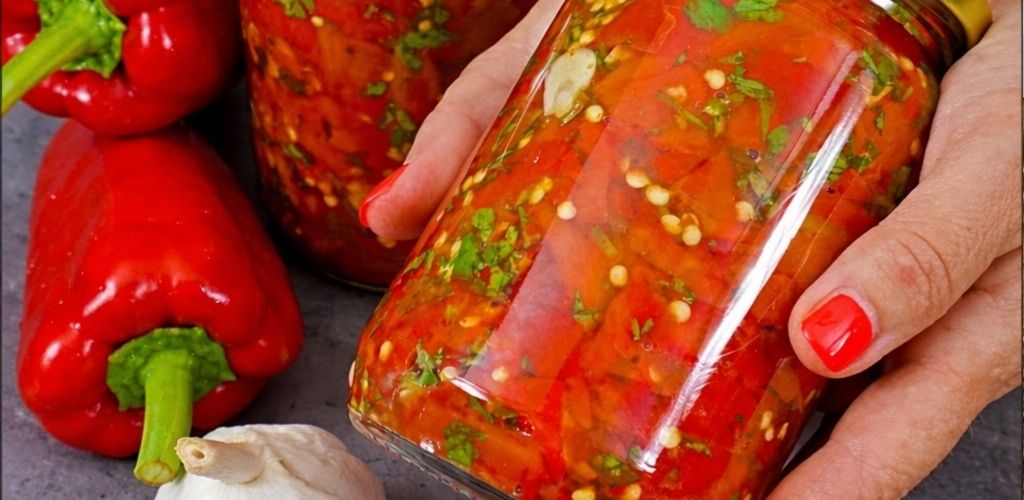
5 Best Ways to Can Bell Peppers: Traditional Recipes for Long-Term Storage
For generations, families have mastered the art of natural food preservation to enjoy the vibrant tastes of summer all year long. These traditional bell pepper (capsicum) recipes are the perfect example of how to achieve intense, healthy, and lasting flavors without ever needing artificial preservatives. Whether you prefer them roasted, fried, or stuffed, these methods will help you build a pantry full of delicious, home-cooked additions for salads, appetizers, and main courses.
1. Classic Roasted Peppers in Oil and Vinegar
Roasted peppers are a staple of Mediterranean and Eastern European cuisines. By charring the skin, you unlock a deep, smoky sweetness that is impossible to replicate. To prepare these, roast 2 kg of sweet peppers at 250°C until the skins blister. Let them “sweat” in a covered pot to make peeling effortless. Once peeled and sliced, mix them with 10 cloves of garlic, fresh parsley, 100 ml of vegetable oil, and 100 ml of 9% vinegar. After letting the flavors meld for 30 minutes, pack them into sterilized jars and pasteurize for 35 minutes to ensure they stay fresh in a cool, dark place.
2. Stuffed Peppers with Cabbage and Carrots
This recipe offers a delightful crunch and a probiotic-rich profile. It involves stuffing blanched peppers with a vibrant mix of shredded cabbage, carrots, and garlic. The secret lies in the hot brine, which balances sweet and sour notes perfectly.
Canning Brine Proportions:
| Ingredient | Amount | Function |
| Water | 1 Liter | Brine base |
| Salt | 1 Tablespoon | Preservation |
| Sugar | 100 ml | Flavor balance |
| Vinegar (9%) | 140 ml | Acidity & safety |
| Vegetable Oil | 100 ml | Texture & richness |
Pack the stuffed peppers tightly into jars, pour the boiling brine over them, and pasteurize for 30 minutes before sealing.
3. Simple Brined Peppers for Salads
If you are looking for a versatile base that can be used in almost any dish, the classic brine method is your best friend. This technique uses a high-volume brine (1.5 liters of water) enriched with oil, sugar, and vinegar. Simply blanch your cleaned peppers for 2 minutes to soften them, place them into sterilized jars with garlic cloves, and cover them completely with the boiling brine. This method preserves the pepper’s natural color and firm texture, making them ideal for winter salads or as a side dish for grilled meats.
4. Pan-Fried Canned Peppers with Garlic
Fried peppers offer a completely different flavor profile—rich, savory, and slightly caramelized. For this method, fry whole peppers in oil for 2–3 minutes per side until they soften. Layer them into jars with sliced garlic and add salt, sugar, and a splash of vinegar directly into each jar before topping them off with boiling water. This “frying-in-the-jar” technique creates a concentrated sauce that tastes even better after a few months of storage in a dark cupboard.
5. Garlic and Parsley Sautéed Preserves
This final recipe is a more concentrated version of the roasted pepper salad. After roasting and peeling the peppers, you fry them for 40 minutes in oil to reduce the moisture content. In the final 10 minutes of cooking, add a generous amount of garlic, parsley, and vinegar. This creates a thick, flavorful preserve that acts almost like a relish or a rich antipasto. Once sealed in sterilized jars, these peppers become a gourmet treat that only requires a slice of crusty bread to be enjoyed.
Pro-Tips for Successful Canning:
- Sterilization is Key: Always boil your jars and lids to prevent spoilage.
- Selection: Use firm, fresh peppers without any soft spots or bruises.
- Storage: Keep your preserves in a cool, dry, and dark place. Once a jar is opened, move it to the refrigerator and consume it within a few days.