How to Cook Peas Fast Without Soaking: Three Simple Hacks to Save Time
We’ve all been there: you want to make a hearty pea soup, but the peas are old, dry, and refuse to soften even after hours of boiling. Many people believe that soaking overnight is the only way to get results, but that requires planning ahead. If you’ve forgotten to soak your peas or are dealing with “stubborn” peas from last year, don’t worry. There are ways to bypass the long wait and overcome the skepticism surrounding quick-cooking methods. These three tricks will turn even the hardest peas into a smooth puree in record time.
The Golden Rule: Water Levels and Pot Selection
Before diving into the specific hacks, it’s important to master the basics of pea thermodynamics. To cook peas faster, you should use a minimal amount of water—just enough to cover the peas by about 2-3 cm. This allows the peas to simmer gently rather than bounce around in a violent boil. When water boils too intensely, the outside of the pea overcooks and turns to mush while the inside remains rock-hard. Additionally, using a heavy-bottomed pot or a Dutch oven helps maintain a consistent temperature without needing a high flame, which is crucial for even softening.
Method #1: The Triple Rinse Strategy
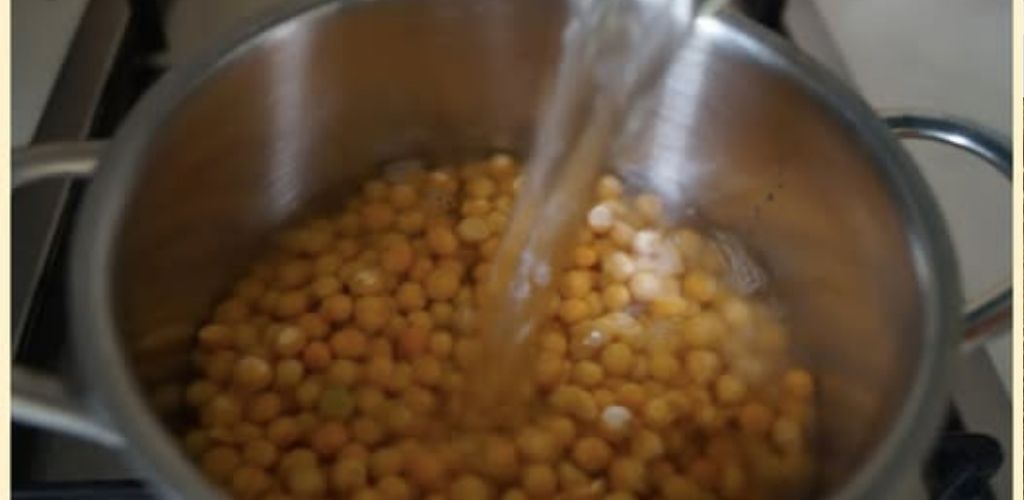
This method might sound unusual, but it’s highly effective. Bring the peas to a boil, let them bubble for a minute, and then drain the liquid completely. Rinse the peas under running water and start again with fresh, clean water. Repeat this process once more if the water looks particularly cloudy. This removes the “pea flour” and foamy starch deposits that can coat the grains and act as a barrier to heat penetration. Removing this starchy residue allows the hot water to reach the core of the pea much faster.
Method #2: The Temperature Contrast Hack
This is my go-to method for all legumes, sauerkraut, and even pickles. The secret lies in creating a temperature shock. Start with a low water level and every 5–7 minutes, pour in half a cup of ice-cold water (or even toss in an ice cube). Do not increase the heat; let the pot return to a simmer naturally. The contrast between the hot pea and the cold water creates internal pressure that breaks down the tough fibers from the inside out.
Pea Cooking Comparison Table
| Method | Best For | Cooking Time Reduction |
| Standard Boiling | Fresh/Split Peas | 0% (Standard) |
| Ice Water Shock | Whole/Old Peas | 30% – 40% faster |
| The “Masher” Trick | Pea Soup/Puree | 60% – 70% faster |
Method #3: The Mother-in-Law’s Radical Solution
I used to argue with my mother-in-law about this, but I eventually had to admit she was right. When the peas have softened just slightly—usually after about 20 minutes of simmering—take a standard potato masher and press down on the peas directly in the pot. You don’t need to mash them into a fine paste immediately; just breaking the outer skins of the peas allows the boiling water to flood the centers. Within 7–10 minutes of mashing, the peas will disintegrate into a perfect, velvety base for your soup.
Conclusion: Stop Waiting and Start Cooking
You don’t need magic or overnight preparation to enjoy a delicious pea dish. By combining the rinsing method, the temperature contrast trick, and the strategic use of a potato masher, you can cut your kitchen time in half. These methods prove that traditional kitchen wisdom, often born from a need for efficiency, still holds up against modern skepticism. Give these hacks a try the next time you’re in a rush, and you’ll never look at a bag of dry peas the same way again!