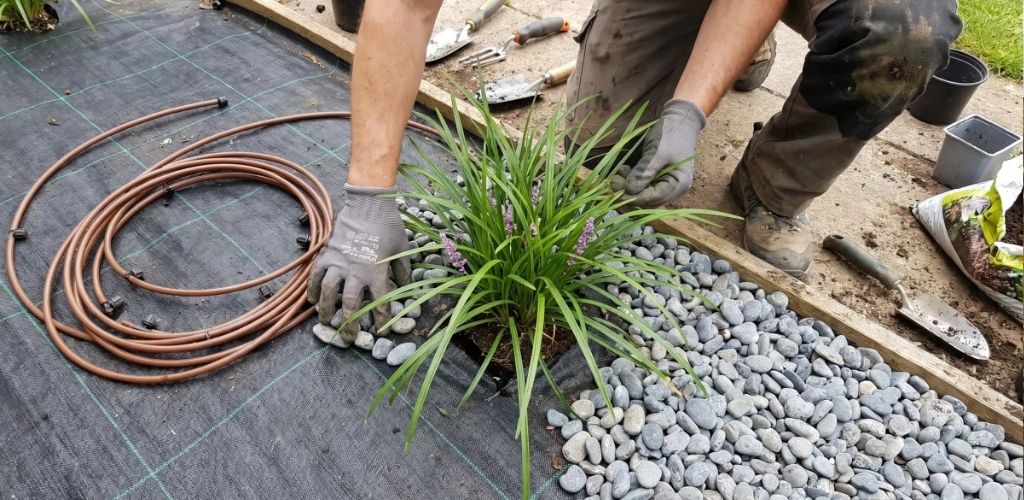
Non-woven fabric in a flower bed can be a great helper, but it can also be a source of problems if it is left in one place for too long. It all depends on whether you use it for a short period of time, with the right crops, and whether you regularly check the soil underneath and add organic matter.
Some gardeners won’t let it go. They claim it saves them hours of weeding, keeps moisture at the roots, and keeps the fruit cleaner.
Others reject it because the soil breathes less easily under it, it is harder to improve with compost, and after years the fabric can tear to pieces. The truth is somewhere in the middle.
Nonwoven fabric in a flower bed: when does it really help?
The biggest advantage of nonwoven fabric is weed control. When the soil does not receive light, most weed seeds germinate poorly or not at all.
The fabric also slows down water evaporation. This is especially useful in hot summers, in sunny areas, and for crops that need stable moisture.
It is also practical for strawberries. The fruits are not lying directly on wet soil, they get less dirty and in rainy weather the risk of rotting can be reduced.
Why doesn’t it remove weeds completely?
Nonwoven fabric is not an impenetrable shield. Weeds can grow in the gaps around plants, along the edges, or in the thin layer of dust and debris that settles on the surface over time.
If you spread bark or gravel on top of the fabric, organic matter will gradually accumulate between the pieces of material. New weed seeds will begin to germinate in it, this time above the fabric.
Therefore, even a bed covered with fabric should be checked. Pull weeds while they are young before they take root through the holes or into the mulch layer.
Short-term use is safest
It works best where you use it for a single season or a clearly defined period. After harvesting, you remove it, loosen the soil, and add compost.
This can help with vegetables, strawberries, cucumbers, peppers or when starting a new bed. It will reduce weeds at a time when the plants are small and most vulnerable.
However, after the season, the soil needs care. If you leave the fabric lying around for years without checking, the benefits can gradually turn into problems.
Long-term soil cover has its risks

While the fabric allows water and air to pass through, it also separates the soil from the natural cycle of leaves, compost, and organic debris. This can reduce its activity over time.
The soil beneath a long-term covered surface can be more compacted, less loose, and poorer in organic matter. Earthworms and soil organisms need food, not just darkness and moisture.
The problem is exacerbated where the fabric is covered with rocks and left uncovered for years. The bed then looks neat, but the soil underneath may not thrive.
When not to use it on perennials and shrubs
Non-woven fabric is questionable for perennial flower beds, ornamental shrubs and trees. Plants naturally grow, form new shoots and need space and regular replenishment of organic matter.
Textiles can inhibit the growth of groundcovers and make it difficult to divide perennials. Each planting change means cutting, raking and re-attaching the material.
If you use it in such plantings, check the soil condition and don’t consider it a permanent solution. Organic mulch is often better for living ornamental beds.
Strawberries and nonwoven fabric
For strawberries, fabric makes sense, especially because the berries stay cleaner and the soil becomes less overgrown with weeds. The plants have clear openings and the bed is easier to maintain.
It is important to prepare the soil before laying the fabric. Work in compost, remove perennial weeds, and level the bed well.
After a few years, renew the strawberry patch anyway. At that time, remove the fabric, clean the soil, loosen it, and add nutrients.
Vegetables under fabric
For seasonal vegetables, textile can help especially where you need to keep the bed clean and the humidity more stable. It is suitable for peppers, cucumbers, eggplants or tomatoes, for example.
It is less practical for root vegetables, dense plantings, or plants that you regularly thin out. The holes must be precisely aligned with the planting and the work can be unnecessarily complicated.
After harvesting, don’t just leave the fabric lying around out of habit. The bed needs air, compost, and soil structure renewal.
Black, white or brown fabric
Black fabric is the best at blocking light, so it is used to control weeds. However, in hot summers it can significantly overheat the soil surface.
White or lighter fabric is more often used to cover plants against cold, pests, or harsh sun. It has a different purpose than black mulch fabric.
When choosing, also pay attention to the weight. Thin, cheap material will quickly get damaged, thicker material will last longer, but it is still not a permanent solution.
Ecological issue: plastic in the garden
Most nonwoven fabrics are made from plastic fibers. When the material starts to tear and break down, pieces can remain in the soil.
Therefore, it is important not to let the old fabric fall apart right in the bed. If it is brittle, has holes or crumbles to the touch, replace it and remove the old material.
To keep your garden as natural as possible, use fabric only where it has a clear benefit. Elsewhere, replace it with organic mulch or dense planting.
Mulch as a more natural alternative
Mulch made from straw, leaves, wood chips, seedless hay or grass clippings protects the soil while gradually breaking down, feeding it and improving its structure.
Unlike textiles, however, it must be replenished regularly. Wind, rain and decomposition reduce its layer, so it is not a one-time solution.
The advantage is that the soil under organic mulch tends to be more alive. Earthworms and microorganisms have food and the bed gradually improves.
Cardboard under mulch
Cardboard is a good temporary weed barrier, especially when establishing a new bed. It is laid on the soil, moistened, and covered with organic mulch.
It will gradually decompose, leaving no plastic waste in the soil. Clean cardboard without glossy prints, tape, or plastic layers is best.
The disadvantage is its shorter lifespan. It needs to be renewed when there are heavy weeds or on sidewalks, but it is very practical as a seasonal solution.
Dense planting against weeds
It’s not just fabric or mulch that keeps weeds down. The plants themselves can also help by quickly covering the bed with leaves.
Dense planting of leafy greens, herbs or ground covers reduces the amount of light reaching the soil, which slows down the germination of weeds.
However, reasonable spacing should be maintained. If you crowd the plants too tightly, humidity will increase, ventilation will be impaired, and mold may develop.
How to lay the fabric correctly
Before laying the fabric, weed the bed thoroughly, especially from fescue, morning glory and other perennial weeds. If left under the fabric, they can push through the holes or edges.
Loosen the soil, add compost and level it. The fabric should lie firmly, without large air pockets or folds.
Secure the edges well with stakes, stones or by embedding them in the soil. Loose fabric will rip in the wind and can damage young plants.
Most common usage errors
The first mistake is to lay the fabric on unprepared soil. If the soil is poor, compacted, and full of perennial weeds, the fabric will only cover up the problem, not solve it.
The second mistake is to leave it in one place for years without checking it. The soil needs to be replenished with organic matter and to breathe occasionally.
The third mistake is to cover the fabric with a thin layer of bark and not take care of it anymore. A new layer will begin to form on the surface, in which the weeds will sprout again.
- Use the fabric mainly for short periods or for a clear purpose.
- Before laying, weed, loosen and enrich the soil with compost.
- For strawberries and vegetables, remove it after the season or after the growth has regenerated.
- Don’t leave old, fraying fabric to fall apart in the flowerbed.
- In perennial beds, consider using organic mulch instead.
When is it worth saying yes to textiles?
Yes, it makes sense for strawberries, seasonal vegetables, temporary weed control, or where you need to quickly reduce maintenance during one season.
It will also help in beds that are just starting out and you need to buy time for the plants to grow, but then think about what you will do with the soil later.
Good use is one where you know why you are putting the fabric in, when to check it, and when to remove it.
When is it better to choose another path?
If you are building a living perennial bed, a natural garden, or soil that you want to improve with compost over the long term, fabric may not be the best choice.
In such cases, mulching, denser planting, and regular addition of organic matter work better. The soil then does not live under a plastic barrier, but becomes part of the entire system.
Also, skip the fabric where you change plantings frequently. Constantly cutting new holes will quickly ruin it and make the work more difficult than with regular mesh.
It’s the method of use that matters, not the material itself.
Nonwoven fabric is not the enemy of the garden, but neither is it a universal solution for every bed. When used correctly, it can reduce weeds, retain moisture, and protect fruits from contact with the ground.
However, if used long-term and indiscriminately, it can make soil maintenance difficult and leave behind plastic waste. The best approach is therefore to combine textile where it makes clear sense, and elsewhere to support the soil with natural materials, compost and live plantings.