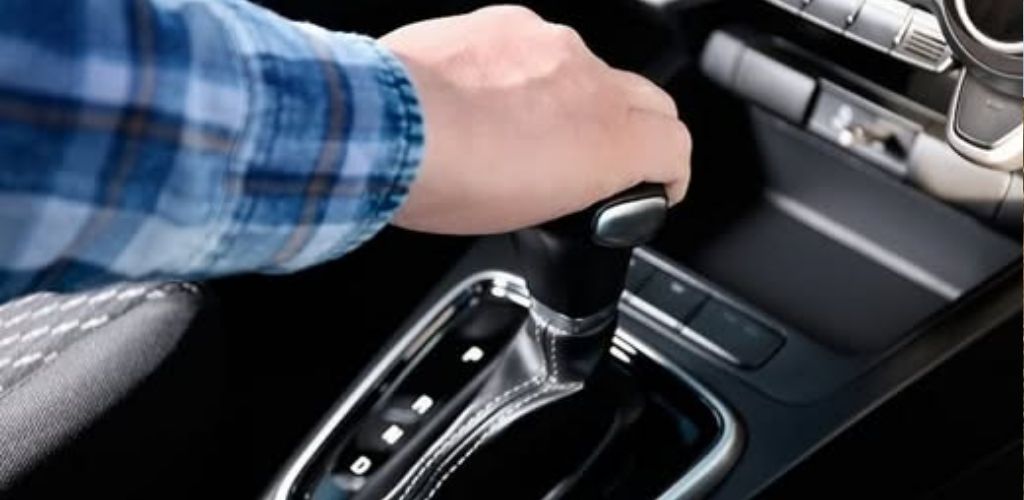
If you’re into extreme driving, hauling heavy trailers, or slipping off-road, no automatic transmission will be able to handle the load.
Automatic transmission repair has never been cheap, and now, due to problems with parts delivery, it has become even more expensive.
Therefore, it’s important for every driver to ensure their automatic transmission lasts as long as possible. We’ll explain how to avoid damaging your transmission prematurely and maximize its lifespan.
1. Start or move in extreme mode
If you slam both pedals to the floor and then suddenly release the brakes, the car will take off, spinning, roaring, and billowing smoke. It’s a spectacular sight, but dangerous.

The problem is that the torque converter experiences extreme loads during this type of start. The operating fluids quickly boil, transferring heat to the transmission.
As a result, it overheats. And due to high temperatures, the fluids lose their performance properties and stop performing their functions.
In addition, heat damages plastic parts and torque converter lockup components.
If you frequently start like this or get carried away with drifting, the automatic transmission will wear out very quickly. You’ll have to find a replacement.
If you can’t give up the extreme style, then it’s better to switch to a car with a manual or robotic gearbox, which has a sports clutch instead of a torque converter.
2. Skidding off-road
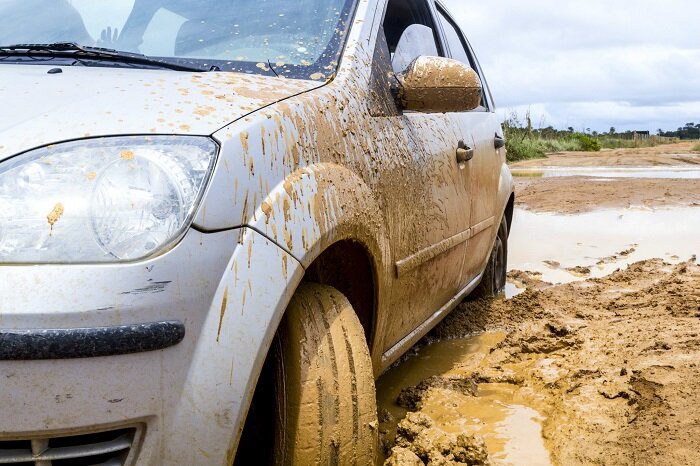
Automatic transmissions are extremely sensitive to slippage, as they are designed for driving on smooth roads and asphalt. Aware of the mechanism’s vulnerability, the designers incorporated a certain safety margin.
So, a one-time slippage can be painless. But if you frequently drive on difficult terrain or get stuck in mud or snow, the automatic transmission won’t last long.
If your car gets stuck, you need to extricate it correctly. First of all, avoid rapidly shifting from forward to reverse, causing the car to rock. It’s also harmful to spin the wheel for extended periods of time, hoping to find solid footing and get out of the trap.
In this case, it’s best to place boards, branches, tree trunks, floor mats, or a tarp under the wheels. Or ask someone nearby to push the car out of the trap.
3. Ignore towing rules

Until recently, drivers were advised to adhere to the “50×50” rule when towing. It stipulated that a car could be towed at a speed of no more than 50 km/h for a distance of 50 km. But this only applied to older cars with early automatic transmissions.
Today, conditions have become more stringent, as the boxes have become not only more sophisticated, but also more vulnerable.
Now, the “30×30” rule must be observed: speed up to 30 km/h, distance no more than 30 km. And for some automatic transmissions, even this is prohibited. Their manufacturers only permit towing.
The fact is that when the engine is off, the pump does not supply working fluids to the gearbox.
When a vehicle is towed, the transmission components rotate virtually dry, without lubrication. This leads to accelerated wear and tear and failure.
Towing a vehicle must be done according to the rules: at low speed and for a short distance. If you are asked to tow another vehicle, first compare its dimensions and weight with your own.
It’s okay to agree if they’re in the same weight class. It’s a different story with an SUV or other large vehicle. Towing it risks overheating and damaging your transmission.
4. Transporting heavy trailers
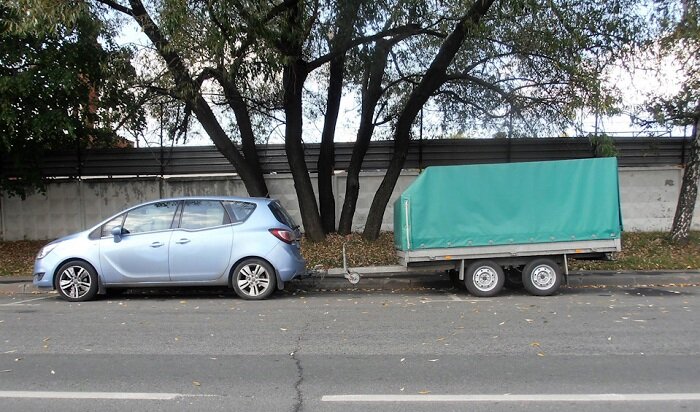
City hatchbacks and crossovers with automatic transmission are not designed for carrying cargo.
Towing a heavy trailer places additional strain on the mechanism, which it may not be able to withstand. This is especially true if you frequently tow a trailer, transport the load over long distances, or transport it in difficult terrain.
5. Shift gears while driving
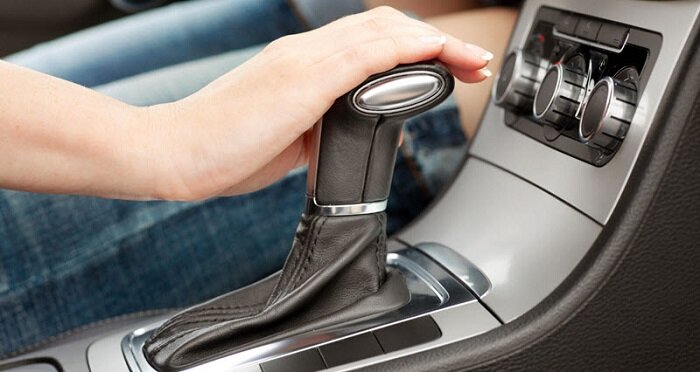
Many drivers are in a hurry to make a maneuver and therefore do not wait until they come to a complete stop.
Even if the car has almost stopped and is already rolling slightly, such actions can cause component failure. First, the shaft locking mechanism will be damaged, then the hydraulic valves.
To prevent this from happening, change gears when the car has come to a complete stop.
6. Starting off without warming up
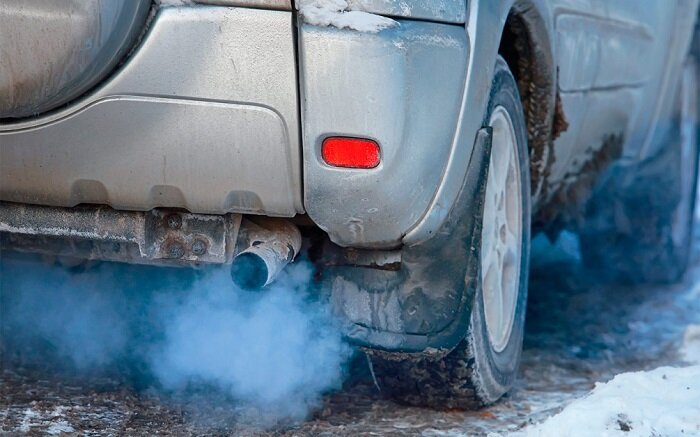
It’s important to remember that not only the engine but also the transmission needs to warm up. In summer, a couple of minutes is enough for the engine to reach at least 20 degrees Celsius; in winter, it takes longer.
And don’t start off at high speed right away. It’s better to start slowly, driving at low speed for a few kilometers. Once the automatic transmission fluid warms up to 50-90 degrees, then you can accelerate.
If you start the engine immediately without waiting for the gearbox to warm up, the valve body components and seals may be damaged.
7. Don’t change the oil
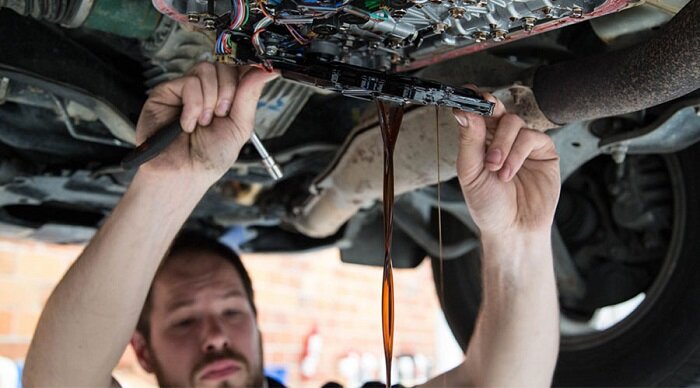
Many drivers often forget that it’s not just the engine oil that needs changing, but also the transmission oil. Over time, the transmission oil level drops and its properties deteriorate.
As a result, transmission components experience increased friction and overheating. This accelerates wear and tear on the automatic transmission and brings the need for repairs closer.
Experts advise changing the oil periodically, even if the manufacturer does not insist on it.
It needs to be updated every 60,000 km. If the car has traveled more than 100,000 km, the interval should be reduced to 30,000-50,000 km.
8. Ignore changes in the operation of the “machine”
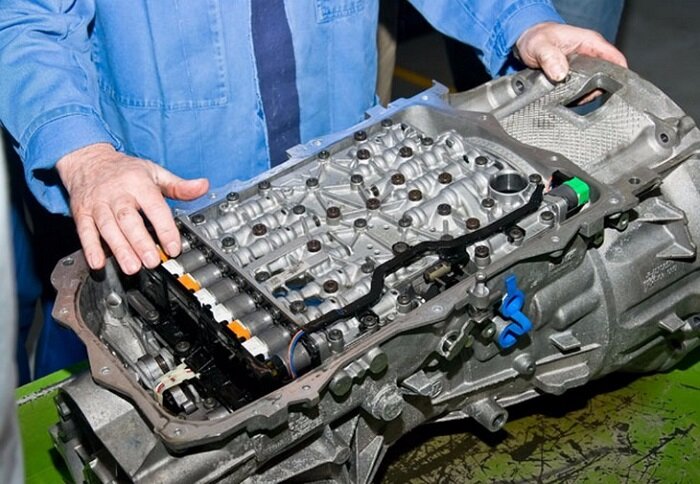
Modern devices are complex and fairly reliable mechanisms. However, even they begin to malfunction over time. Malfunctions typically manifest as slow operation, unusual sounds, or jerking.
The appearance of any such sign is cause for concern. It’s best to contact a car service immediately to determine the cause of the suspicious behavior. This will increase the likelihood of solving the problem early and saving you money on repairs.
9. Always engage N when stopped
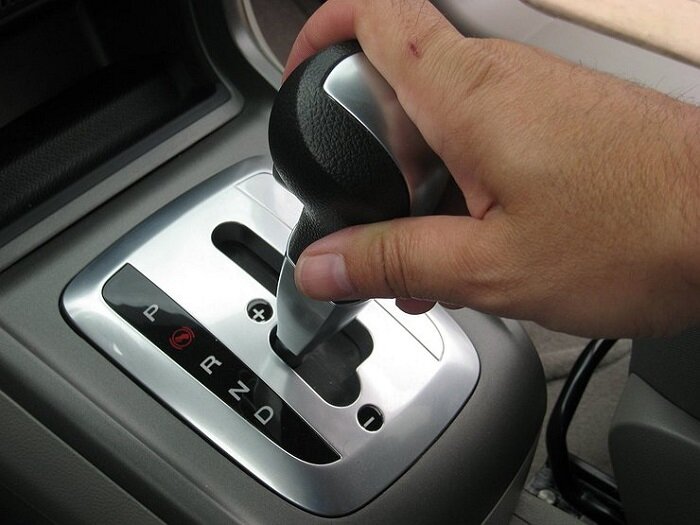
Neutral mode helps save fuel and prevent the transmission from overheating. However, engaging it whenever you stop can damage the clutches.
The problem is that switching from position N to position D forces them to close each time, which accelerates wear on the components.
This doesn’t mean you should completely abandon neutral. Experts recommend shifting to it during long stops—for example, before a railroad crossing or in a serious traffic jam. However, it’s not a good idea to shift into neutral for a couple of minutes before a traffic light.
10. Incorrect parking on a slope
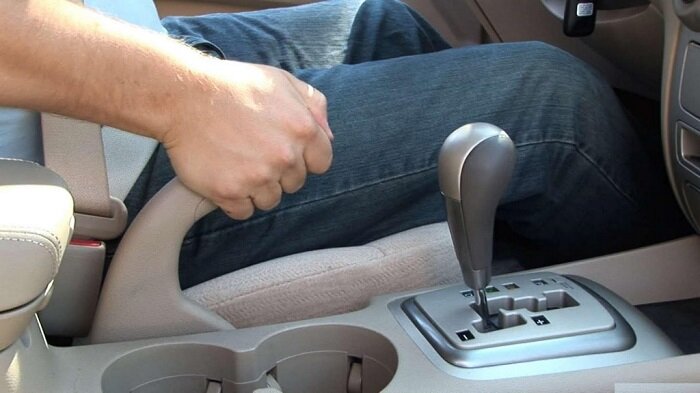
When parking a car, many drivers shift the transmission into “P” position, ignoring the parking brake. If the parking lot is located on uneven ground, ignoring the handbrake can damage the transmission.
In this case, the entire body load falls on the automatic transmission shaft locking pin. Over time, it weakens, wears out, and begins to slip. This results in the wires being pulled, leading to electrical problems.
Therefore, when parking on a slope, always use the handbrake. Make sure to apply it first and then shift the automatic transmission to position “P.”