The key is in the base
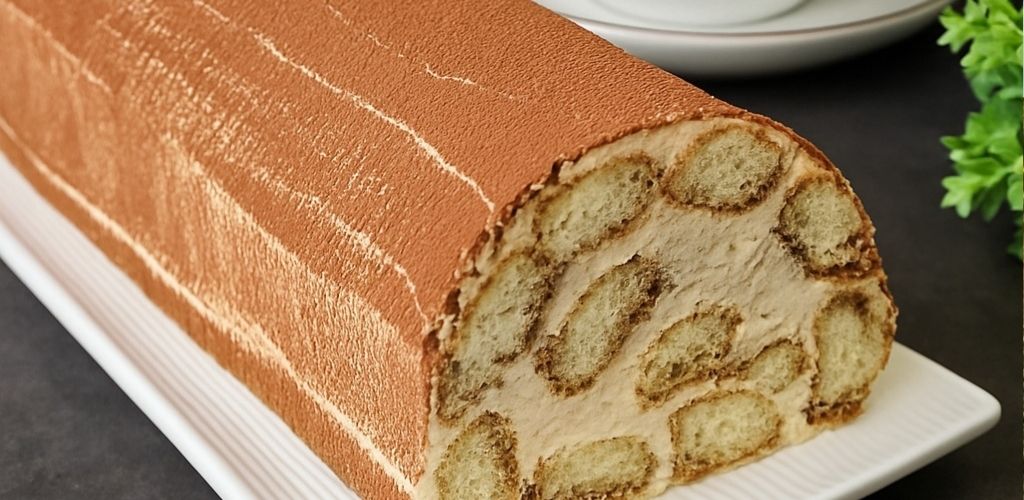
In many cold desserts, the base is made with crushed cookies, sponge cake, ladyfingers, or a similar mixture. This layer supports the filling and prevents each portion from falling apart when served.
If the base is too dry, it will crack. If it’s too wet, it will lose its structure and may stick to the mold. Ideally, it should have a sandy but compact texture, firm enough to be pressed with a spoon without becoming a heavy paste.
The filling should not be liquid.
The creamy filling is often the main attraction, but it’s also where the most common mistakes occur. A cream that’s too runny might look good at first but fall apart after the first cut.
To avoid this, it’s best to use very cold ingredients, mix gently, and respect the consistency. If adding milk, cream, or yogurt, do so gradually. In these types of preparations, correcting a mixture that’s too runny is usually more difficult than loosening a thick one.
Cold resting is not optional
Although assembly can be done in just a few minutes, the dessert needs to chill to set. This resting period allows the base to firm up, the filling to set, and the flavors to meld together.
If served immediately after baking, it might still be tasty, but it will be more difficult to achieve neat portions. The most practical approach is to prepare it in advance and refrigerate it until firm to the touch.
How to achieve a balanced flavor
Cold desserts often contain sweet ingredients, so it’s a good idea to balance them with something that adds freshness or contrast. This could be lemon zest, fruit, unsweetened cocoa powder, mild coffee, or a thin layer of less sweet cream.
- If it contains chocolate, a pinch of salt can enhance the flavor without making it salty.
- If it contains fruit, it should be drained well so that it does not release too much liquid.
- If you’re using cookies, a thin layer is better than a base that’s too thick.
- If it contains whipped cream, it’s best not to over-whip it because it may curdle.
The mold also plays a role
A springform pan or shallow dish makes assembly and cutting easier. If the dessert is prepared in individual glasses, cups, or containers, the problem of unmolding is avoided, and the presentation is simpler.
For a large dish, it helps to line the base with parchment paper or food-safe plastic wrap. This makes it easier to remove portions without breaking them, especially when the base is made of cookies.
Common mistakes to avoid
- Do not chill the ingredients before mixing.
- Adding too much liquid to the filling from the beginning.
- Serve it without giving it enough time in the refrigerator.
- Use very juicy fruit without draining it.
- Making a base that is too thick and overpowers the entire dessert.
A no-bake chilled dessert can be quick, but the success depends on those small details. With a stable base, a creamy filling, and proper resting time, it’s possible to create a simple, refreshing, and shareable treat without turning on the oven.