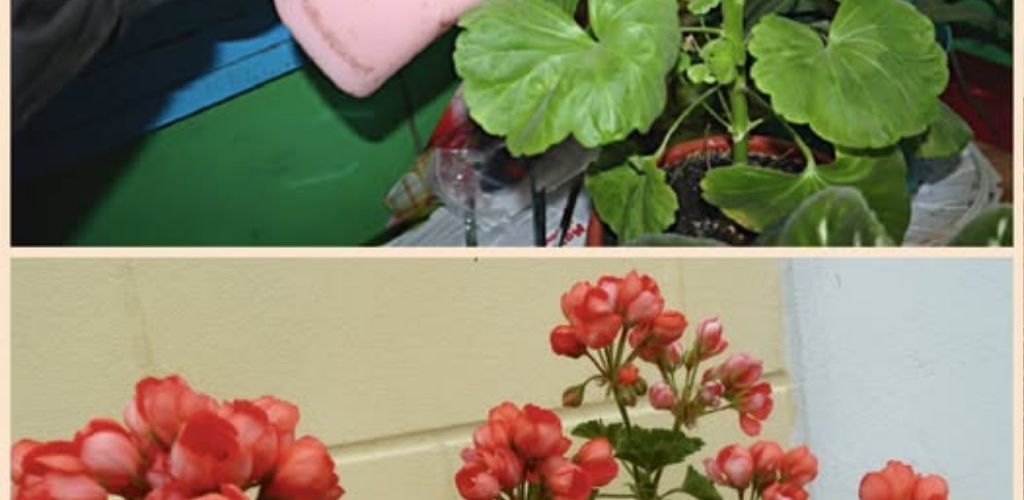
Homemade Geranium Fertilizer: The Secret Recipe for Non-Stop Blooming
Geraniums (Pelargonium) remain one of the most beloved and popular indoor plants worldwide. Found in almost every household, their enduring popularity is entirely justified by their low-maintenance nature and, of course, their spectacular blooms that fill our homes with vibrant colors even during the coldest months of the year. However, watching your favorite potted plant struggle to produce new buds can be incredibly frustrating. To transform a stagnant green bush into a continuous floral explosion, your plant needs the right nutritional push. Today, we will dive into an exceptional, time-tested natural fertilizer recipe that completely transforms indoor geraniums, reviving even the most stubborn plants.
When is the Best Time to Fertilize Indoor Geraniums?
There is nothing quite like the joy of seeing your indoor garden burst into vibrant life. Geraniums typically begin their massive blooming cycle in late winter and early spring, responding directly to the warm sunlight increasingly penetrating our windows. This specific transition phase is the absolute best time to apply a nutrient-rich organic fertilizer to stimulate rapid bud formation. While most plant lovers rely on expensive, store-bought chemical solutions, experienced botanists and professional agronomists often turn to household ingredients. A lesser-known fact among amateur gardeners is that geraniums absolutely thrive on yeast. When used correctly, yeast functions similarly to traditional Japanese Bokashi composting, activating beneficial soil fungi that fundamentally improve soil fertility and strengthen the root system.
The Ultimate Yeast, Banana Peel, and Onion Skin Nutrient Blueprint
To create a powerful organic fertilizer tailored specifically to the unique metabolic needs of indoor geraniums, we combine three incredible household ingredients. This blend delivers a massive dose of potassium, phosphorus, nitrogen, and essential micronutrients.
The natural fertilizer ingredient breakdown:
- Dry Yeast (0.5 teaspoon): Acts as a biological catalyst, stimulating root growth and activating beneficial microbes in the potting soil.
- Granulated Sugar (4 teaspoons): Provides the necessary food source to fuel the yeast fermentation process.
- Fresh Banana Peel (1 piece): Packed with natural potassium, which is critical for continuous, vibrant flower production.
- Onion Skins (from 1 medium onion): Rich in protective phytonutrients and vitamins that shield plant roots from fungal diseases.
Geranium Fertilizer Preparation and Application Guide:
| Preparation Step | Ingredient Action & Technique | Expected Visual Result | Expert Gardening Tip |
| Mixing the Base | Combine yeast, sugar, chopped banana peel, and onion skins in a 3-liter jar | Initial activation of beneficial organic components | Slice the banana peel into tiny pieces to accelerate nutrient release |
| Fermentation | Fill to the top with cooled, boiled water and seal in a warm place for exactly 3 days | Deep amber liquid packed with bioavailable vitamins | Avoid using hot water, as it will instantly kill the active yeast cultures |
| Application | Pour 200–400 ml of undiluted infusion directly onto the damp root zone | Rapid root absorption and noticeably sturdier stems | Always water your plants lightly with plain water before applying fertilizer |
| Alternative Use | Apply leftovers to other indoor houseplants or young garden seedlings | Universal growth boost and enhanced plant immunity | Use the remaining mixture within 24 hours for maximum potency |
Step-by-Step Homemade Organic Fertilizer Recipe
To prepare this highly effective nutritional infusion at home, grab a standard 3-liter glass jar. Add half a teaspoon of dry active yeast and four teaspoons of white granulated sugar into the container. Next, take a fresh banana peel, cut it into small, manageable pieces, and drop it directly into the jar. As the ultimate finishing touch, add the dry outer skins of one medium-sized yellow or red onion. Pour cooled, pre-boiled water into the jar all the way to the top, stir the contents thoroughly with a long spoon, and place the jar in a dark, warm corner of your home. Allow the mixture to ferment undisturbed for exactly three days.
How the Fermentation Process Multiplies Plant Nutrients
During these three days of active fermentation, a fascinating biological transformation takes place. Under the direct influence of the expanding yeast fungi, all the hidden vitamins, minerals, and growth hormones locked within the onion skins and banana peels are broken down and completely transferred into the water. The result is a highly concentrated, nutrient-dense organic elixir containing a comprehensive matrix of vitamins and trace elements. Unlike synthetic chemical fertilizers that can easily cause root burn, this completely natural infusion is perfectly calibrated for immediate root absorption. There is no need to dilute this liquid with extra water; its chemical density is already perfectly balanced to interact safely with delicate indoor plant roots.
When your natural nutrient brew is ready, pour roughly 200 to 400 milliliters of the liquid directly onto the soil of each geranium plant, adjusting the amount based on the specific size of your flower pot. If you have any remaining fertilizer left over, do not let it go to waste. This gentle, organic formula is completely universal and works wonders on other popular houseplants, tropical foliage, and even delicate spring vegetable seedlings. Applying this homemade liquid remedy once every few weeks during the active growing season will reward you with incredibly lush foliage, robust root defense, and a breathtaking, non-stop display of magnificent blossoms that will make your home look like a professional botanical greenhouse!
Do you want to receive regular, expert indoor gardening tips, secret homemade fertilizer recipes, and foolproof plant care hacks delivered straight from professional horticulturists? If this step-by-step guide to achieving non-stop geranium blooms helped your indoor garden thrive, please SUBSCRIBE to our page right now so you never miss our latest botanical articles! Support our green community by hitting the LIKE button, and be sure to SHARE this valuable recipe with your friends, family, and fellow plant lovers on social media so their homes can burst with vibrant floral colors too. Have you ever tried using active yeast or banana peels on your indoor houseplants before, or do you typically stick to commercial chemical fertilizers? How often do your geraniums bloom during the winter season? Share your own personal gardening success stories, clever tips, or questions with us in the comment section below—we absolutely love reading your feedback and gladly reply to every single comment!