Why Cucumber Leaves Turn Yellow at the Edges: The Secret to Saving Your Harvest
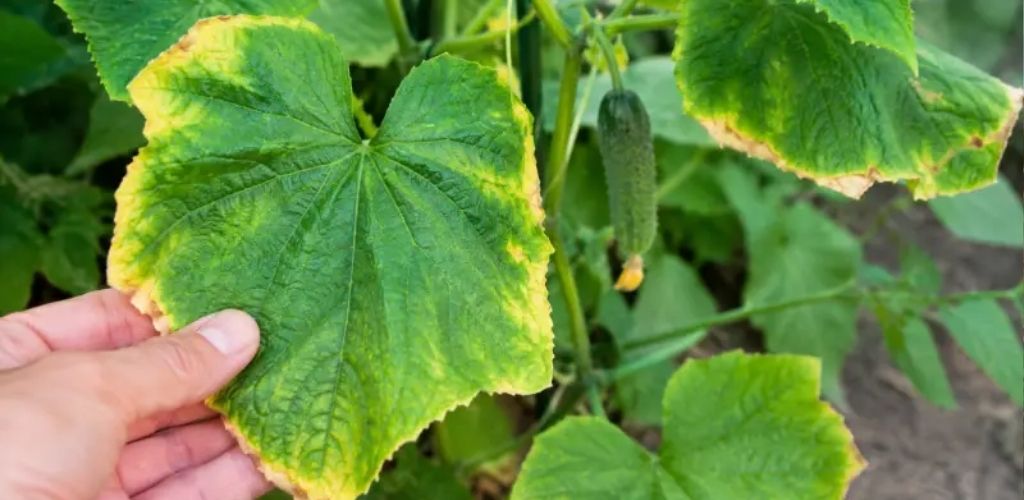
Cucumbers are a certified favorite among backyard gardeners and homesteaders alike. Known for their rapid growth and prolific production, these rewarding plants can deliver a bountiful harvest of crisp, juicy fruits when given the proper care. However, even seasoned vegetable growers occasionally face a frustrating issue: the outer edges of the cucumber leaves begin to turn a pale, distinct yellow. Many beginners overlook this early warning sign, assuming it is just a natural part of the plant’s aging process. In reality, your vines are flashing a critical distress signal that requires immediate intervention. Catching this specific symptom early allows you to restore cellular health, safeguard the root system, and dramatically multiply your overall yield before the vines suffer permanent damage.
The Crucial Role of Potassium in Cucumber Plant Development
Most instances of yellowing leaf margins point directly to a severe potassium deficiency—one of the most vital macronutrients required for sustainable cucumber development. Potassium functions as a biological engine inside the plant, regulating water management, driving strong root expansion, and directly fueling the formation of healthy blossoms and fruit sets. Furthermore, adequate potassium levels build a natural immunity that helps your cucumber vines withstand extreme summer heat, sudden temperature drops, and unexpected dry spells. When this element is lacking, the plant actively drains its internal nutrient reserves from older foliage to keep young shoots alive, causing the outer edges of the mature leaves to pale, wither, and dry up. This nutrient drain is especially common during the peak fruiting phase when the demand for minerals skyrockets.
How to Identify Potassium Deficiency in Your Garden Early
Spotting a nutritional imbalance before it destroys your crop is the key to successful organic gardening. When cucumber vines lack sufficient potassium, they display several unmistakable symptoms across their foliage and fruit.
The most common signs of a cucumber nutrient deficiency include:
- Bright yellow or brittle brown margins along the leaf edges.
- Downward curling or cupping of the mature leaf blades.
- A sudden, noticeable stagnation in the overall growth of the vine.
- Poor development of new flower buds and premature dropping of young ovaries.
- Misshapen, deformed cucumbers that often grow narrow at the stem and bulbous at the tip.
- A sharp decline in the overall quality, crispness, and quantity of your harvest.
Cucumber Leaf Yellowing Diagnosis and Treatment Guide:
| Visual Plant Symptom | Primary Underlying Cause | Recommended Remedial Action | Expected Solution Outcome |
| Yellow or brown leaf margins | Advanced Potassium Deficiency | Apply dissolved potassium sulfate or monopotassium phosphate | Stops edge yellowing; leaves regain deep green color |
| Curled leaves & slow growth | Poor water regulation & cellular stress | Root drench with 1 liter of clean nutrient solution per vine | Stimulates vine expansion and strengthens stems |
| Deformed or bitter fruit | Incomplete nutrient distribution | Immediate macro-feeding during peak fruiting phase | Ensures straight, crisp, and sweet cucumbers |
| Stagnant bud formation | Lack of phosphorus and potassium co-factors | Switch to a soluble monopotassium phosphate solution | Triggers a rapid wave of healthy new fruit sets |
The Best Fertilizers to Fast-Track Cucumber Plant Recovery
To provide rapid relief to your yellowing plants, you must apply highly bioavailable potassium fertilizers that the root system can absorb instantly. The two most effective options available to home gardeners are potassium sulfate (sulfate of potash) and monopotassium phosphate. These specialized mineral fertilizers dissolve completely in water, allowing the roots to channel nutrients upward within hours of application. Potassium sulfate is incredibly highly prized because it is completely chlorine-free—a major benefit since cucumbers are highly sensitive to chlorine toxicity. Alternatively, choosing monopotassium phosphate introduces a healthy dose of phosphorus into the soil, which works in harmony with potassium to anchor the root system and maximize continuous fruit production.
Step-by-Step Liquid Fertilizer Recipe for Maximum Absorption
Preparing this highly effective healing solution at home requires minimal effort and tools. Simply dissolve 1 tablespoon of either potassium sulfate or monopotassium phosphate into a large container filled with 10 liters of clean, ambient-temperature water. Stir the liquid thoroughly until every single mineral crystal has completely vanished. For the safest application, always lightly water your cucumber beds with plain water right before applying the fertilizer. Pre-moistening the soil creates a receptive environment that protects delicate root tips from chemical shock and ensures an even, uniform distribution of nutrients. Once the ground is damp, pour roughly 1 liter of the prepared liquid directly around the base of each individual cucumber bush.
While a single application will jumpstart the recovery process, it is rarely enough to fully correct a severe deficiency. For lasting health, repeat this liquid drench routine once more after 7 to 10 days. Following the second feeding, you will witness an incredible transformation: the foliage will reclaim a rich, emerald-green color, leaf margins will stop browning, and a massive wave of fresh fruit sets will emerge. Conversely, always avoid using potassium chloride (muriate of potash) in your vegetable garden. The high chlorine content in that specific chemical can permanently stunt root development, yellow the leaves further, and ruin the crisp texture of your cucumbers. Similarly, while natural wood ash is a great organic preventative source of potassium, it breaks down far too slowly to save a plant that is already actively yellowing. Use wood ash strictly as an autumn soil amendment, and rely on soluble mineral drenches for fast-acting summer first aid to keep your garden thriving all season long!
Do you want to receive regular, expert vegetable gardening guides, secret organic fertilizer recipes, and foolproof DIY tips to maximize your backyard harvest? If this step-by-step cucumber care guide helped you save your yellowing leaves and boost your fruit production, please SUBSCRIBE to our page right now to join our growing community of passionate growers! Support our work by clicking the LIKE button, and make sure to SHARE this valuable article with your friends, neighbors, and fellow gardeners on social media so they can protect their cucumber crops too. Have you ever struggled with yellow leaf edges or deformed cucumbers in your garden? Do you prefer using quick-dissolving mineral fertilizers or traditional wood ash to feed your vegetable beds? Share your own personal gardening success stories, clever maintenance hacks, or questions with us in the comment section below—we are incredibly excited to hear about your garden and gladly answer every single reader!