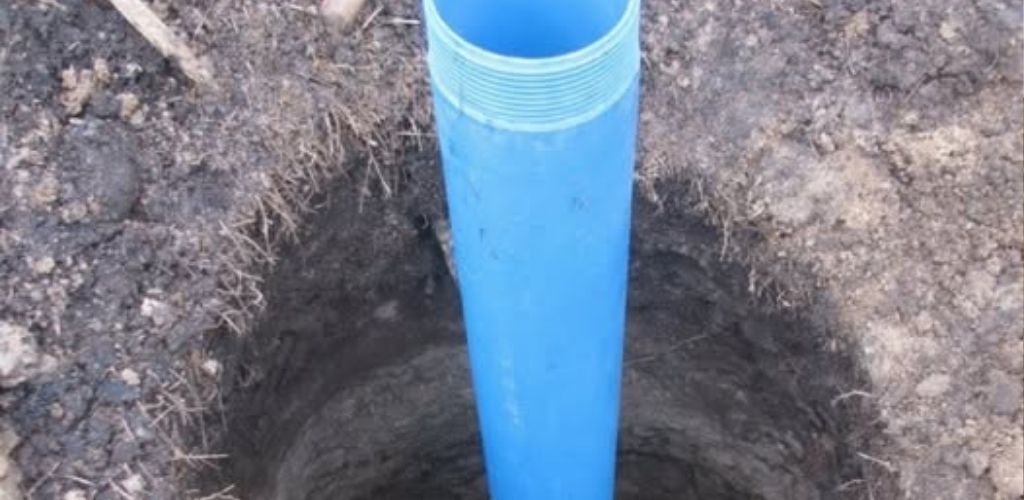
A neighbor drilled a 12-meter well and was delighted—the water was clean, clear, and cool. But six months later, he had it tested and was absolutely stunned: E. coli, nitrates, and iron levels three times higher.
The reason turned out to be trivial: there was an old septic tank nearby, and all the contaminants easily penetrated into the “clean” water.
That’s when I started wondering: how deep do you need to drill to make the water safe to drink?
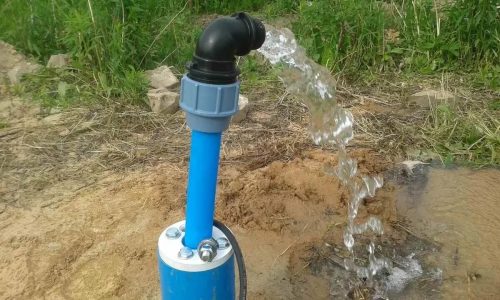
Three types of groundwater – and not all are suitable for drinking
Water underground occurs in layers, and the difference between them is enormous:
Groundwater (up to 5 meters) is water that has seeped from the surface: rain, melted snow, or runoff from the property. If there’s a toilet or cesspool nearby, all this “sewage” will flow directly into the well. This water is not suitable for drinking.
Interstratal water (5–20 meters) is of better quality; the clay layer partially filters out contaminants. However, much depends on the specific location. In some places, it’s safe to drink, while in others, it carries the same risks as groundwater.
Artesian waters (from 20 to 100+ meters) – the water passes through sand, clay, limestone, and sometimes granite. Here, natural filtration operates for years, and the water is usually clean and stable in composition.
How deep should I drill for safe drinking?
Experts recommend drilling at least 50 meters, and preferably 60–70 meters. At such depths, the water no longer comes into contact with surface contaminants.
The main rule: don’t stop as soon as water starts flowing. The first aquifer isn’t always of good quality. Continue drilling until you reach:
- layer of clay
- sandstone and limestone
- preferably a layer of natural stone or granite
Yes, it’s more expensive. But in the long run, it’s much cheaper than installing complex cleaning systems or drilling again.
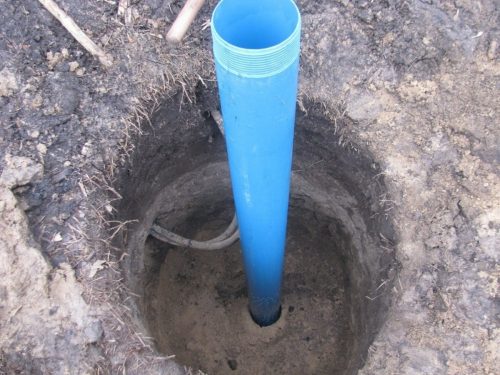
How to determine the depth of the ground in your area
Before drilling, it is important:
- Study the region’s depth map—it will show where and at what depth artesian waters lie.
- Talk to your neighbors—how deep did they drill, what was the water quality, and whether there were any problems.
- Consider the location of pollution sources – septic tanks and cesspools should be no closer than 25-30 meters.
These measures will help you calculate your budget and avoid overpaying for extra meters of drilling.
Choosing a location for a well
A common myth: water is “found” with frames, rods, or magnets. This doesn’t work. Artesian water is found almost everywhere; it’s just a matter of depth.
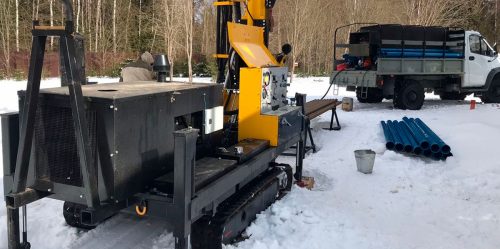
The choice of location is based on practical considerations:
- Where is it easier to run pipes to the house?
- where equipment does not interfere with drilling
- where there are no nearby sources of pollution
If you want to drink well water without risking your health, drill 50 meters or deeper.
Water from 10-15 meters away may be clear and tasty, but that’s no guarantee of safety. A neighbor learned this from personal experience.
Before drilling, be sure to get a depth map, advice from neighbors, and a water test after drilling. This will save you both money and your health.
Have you had your water tested? Let us know in the comments—let’s discuss!