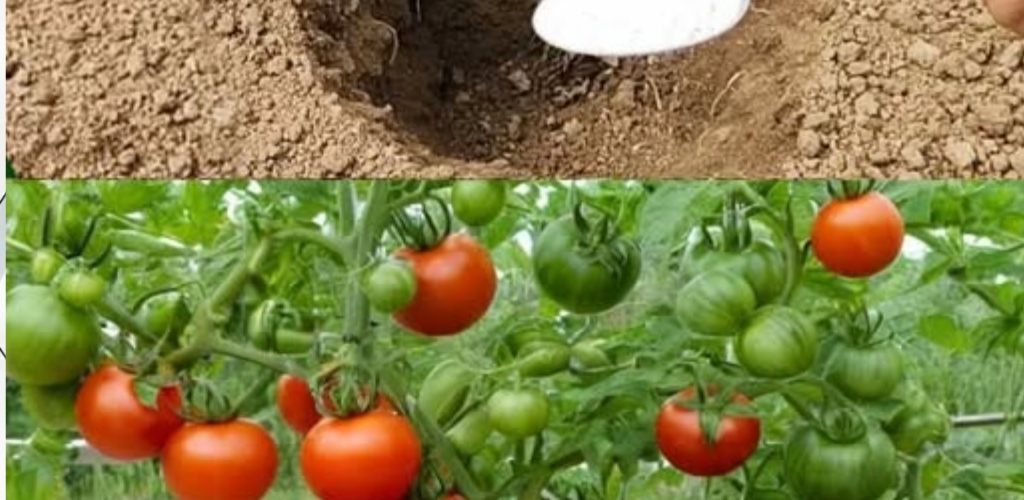
Every gardener knows how difficult tomatoes are to grow—they’re fussy about watering and susceptible to various diseases and pests. Not everyone can grow a good harvest of this crop.
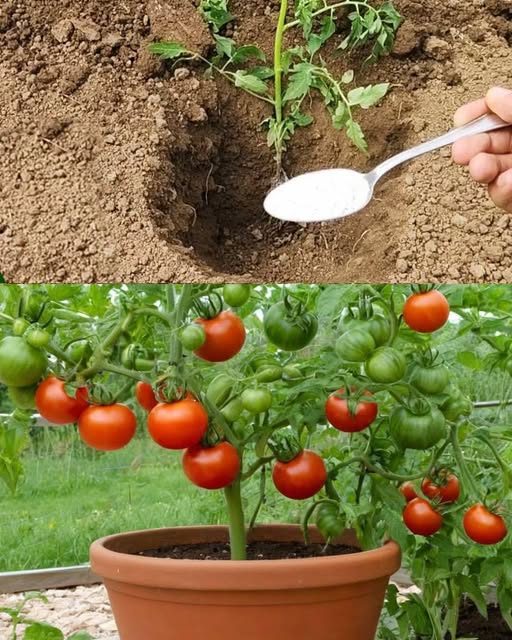
Soil also plays an important role in growing tomatoes; it should be well fertilized in the fall, adding humus and digging it over for the winter.
Fertilizers for tomatoes:
- Potassium and phosphorus fertilizers are poured onto the surface of the soil and dug in;
- if the soil is acidic, add lime;
- Bird droppings are one of the most effective fertilizers, as they contain nitrogen, organic matter, and other beneficial substances. Spread them over the soil and dig them in;
- Wood ash and compost are also very useful for the growth, development and fruiting of tomatoes.
When planting tomato seedlings, avoid using mineral fertilizers, as they stimulate flower set and fruit formation, and at this stage, it’s still too early.
It is advisable not to apply fertilizers when planting vegetables in the spring; it is better and more effective to fertilize the soil in the fall.
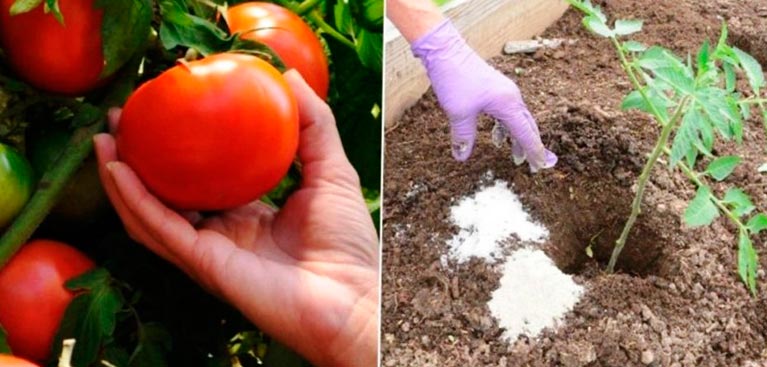
Before planting the seedlings, a day before, water the soil with a solution of potassium permanganate and yeast (10 g of yeast per 10 liters of water).
Let the solution sit for 24 hours. Pour 220 ml of the solution into each hole.
Wood ash contains a lot of potassium, so we pour 100 g of ash into the holes, add a layer of fertile soil on top and plant the seedlings.
Ten days after planting the seedlings, water them with a solution of water and manure in a ratio of 1:15. Sprinkle with ash.
Onion peels, which you place in handfuls into the holes, protect tomatoes from pests and diseases, strengthen them, and activate growth.
You can pour boiling water over onion peels and let the solution steep for 10 hours. Before watering tomatoes, dilute the solution with water 4 to 20 – this will protect against fungal diseases.
The same solution should be used to spray plants during the fruit setting period.
Eggshells also enrich the soil with nutrients. Crush them and sprinkle a small amount into the planting holes.
Helpful tips:
- July is the month when the fruits fill out and are ready to ripen. Don’t water more than once a week;
- to make tomatoes ripen faster, add 1 cap of ammonia to the water;
- A nutrient solution of yeast – 50 g per bucket of water in June – will help vegetables protect themselves from diseases and strengthen their root system.