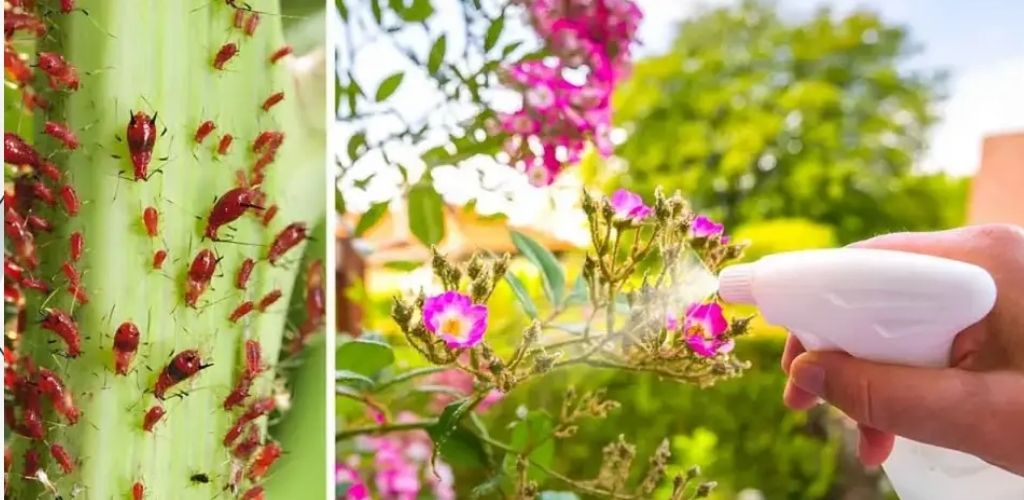
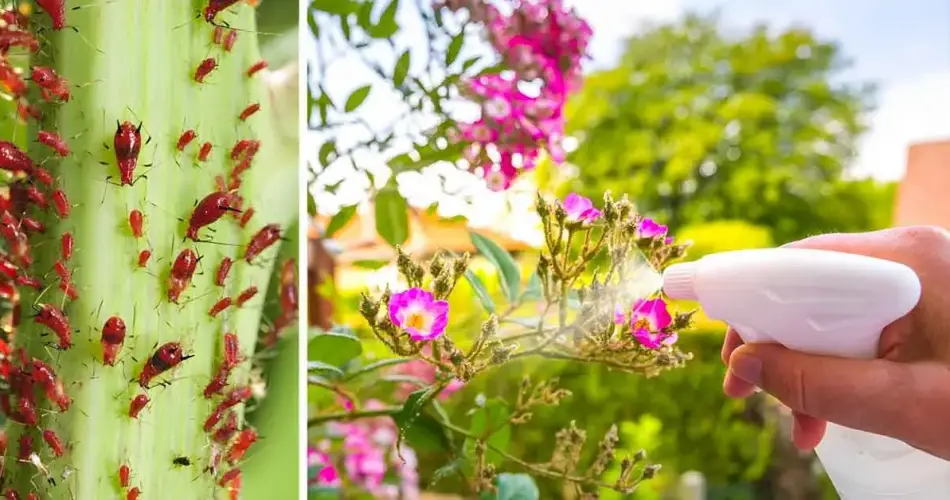
Nature has as many advantages as disadvantages. On the one hand, our garden offers us a fabulous spectacle with the profusion of plants and flowers that bloom over time. On the other hand, we have to deal with all those unwanted insects and pests that spoil the landscape. Aphids are a real calamity! They are tiny, but these dirty bugs have the knack of slithering among the young stems of plants to suck their sap and prevent healthy growth. Not to mention that they further weaken our plants by poisoning them and triggering fungal diseases. When there is an aphid infestation in the garden, it is absolutely necessary to remedy it with radical methods!
However, it’s not always necessary to use chemical pesticides, which are harmful to both health and the environment. If aphids have infested your plants and flowers, there are always preventative, natural, and eco-friendly ways to effectively get rid of them. Why not consider making your own organic pesticides and insecticides? They’re simply made with ingredients you may already have at home or can easily find at the market. However, even with organic pesticides, caution is advised: although natural, some of the materials we’ll present contain substances that are toxic to your health*.
To fight aphids and all the intruders in the garden or vegetable patch, here are some tips revealed by Anthony Lecompte, gardener and landscaper in Besançon.
Note : Ideally, we recommend that you do not eat certain garden vegetables on the day you spray the plants with certain remedies. Otherwise, remember to wash them thoroughly under running water and soak them for a few minutes in a container of clean, cold water.
A spray against beetles
Beetles include a whole family of insects such as beetles, bumblebees, and ladybugs. They are distinguished by having elytra, a pair of rigid, shell-like wings. Most are herbivorous species that cause serious damage to crops. How can you effectively control them so these beetles don’t bother your plants?
Gather the peels from one onion in an airtight container with a lid or a sealed bag and store it in the refrigerator. You can also add any leftover garlic.
Then put everything in a bucket and fill it with warm water. Let it sit for a few days, up to a week, in a sunny spot in the garden or on the patio. Then filter the resulting liquid and store it in a plastic bottle with a spray bottle.
Bury onion scraps around plants and vegetables susceptible to aphids, spider mites, and other pests. Spray the solution on garden or houseplants to protect them from all unwanted pests.
Treatment of white or black spots on plants
Plants often face dangerous diseases that can be fatal: rust, powdery mildew, moniliosis, downy mildew, and others. These ailments regularly cause mold, rot, spots (white, yellow, or black), moss, or powdery growth on the leaves. These are caused by insects, fungi, and certain fungal diseases. When you notice any of these symptoms, never ignore the problem. You must treat your plants quickly before their condition worsens and they die.
An effective solution: Dilute 1 liter of whole milk in an 8-liter container of water. Mix well and spray roses or other plants damaged by mold. The stains will eventually disappear after a few applications.Treatment against plant aphids
Plant aphids feed on a sweet sap, which ants then crave as food. The ants carry this sap throughout the plant, where it often forms a black mold or fungus filled with a black powder that grows on the leaves and stems. Therefore, by controlling aphids, you can also get rid of these dark spots.
Mix 2 cups of cooking oil with 1 cup of liquid soap until you obtain a white mixture. Then take 1 tablespoon of this liquid and add it to 1 liter of water. Spray this solution on the plants in the areas infested with aphids. Do this when it’s not too hot outside, to avoid burning the plant leaves.
NB: Sometimes, when aphids are clearly visible, you can simply remove them by hand or with a small brush.
Some remedies to keep aphids away from plants
Garlic spray
Finely chop 90g of garlic, cover with oil, and let it sit overnight. Then drain it, add 1 liter of soapy solution (liquid soap and water), and store the mixture in a jar with a lid.
Another tip: Chop 1 onion and 2 cloves of garlic, then blend them in a blender with 2 cups of water. Strain the liquid and pour it into a spray bottle. Spray the liquid onto the plants and flowers, ensuring the entire surface of the leaves is covered.
The aluminum foil trick
Place pieces of aluminum foil on the soil at the base of the plants. The reflected light keeps insects away.
General purpose aerosol
You will need 3 fresh or canned green chilies and 2-3 crushed garlic cloves. Place everything in a container. Add 3/4 teaspoon of liquid soap and 3 cups of water and let it sit for 24 hours.
Filter the mixture, remove the solid part and spray the resulting solution onto the plants, making sure the liquid covers the entire surface of the leaves.