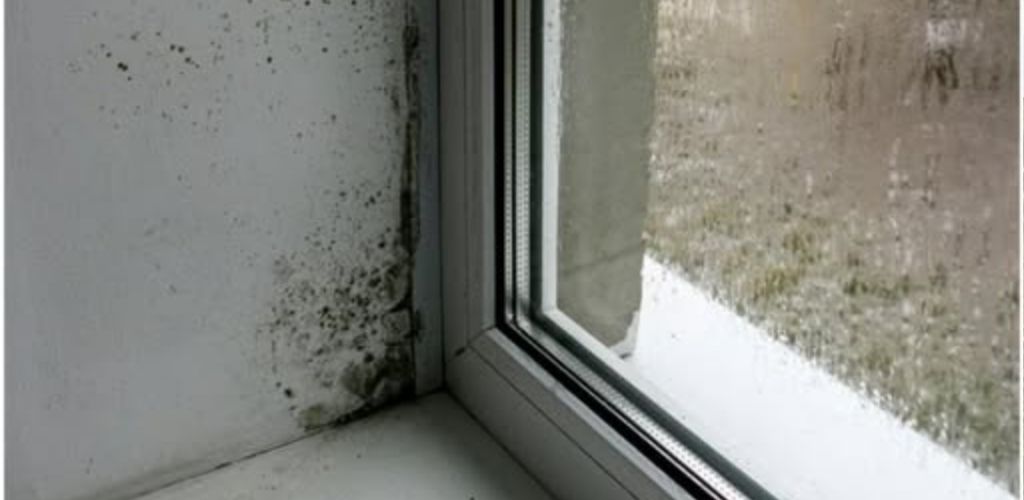
With the onset of cold weather, condensation begins to form on various surfaces exposed to warm and icy air. This is facilitated by increased humidity and sudden temperature changes.

In residential buildings, glass fogs up most often. Hoping to prevent condensation on plastic windows, people replace wooden frames with metal-plastic ones.
Unfortunately, after replacing old windows with modern double-glazed windows, the problem sometimes gets worse.
Condensation on plastic windows
First, it’s worth discussing the possible causes. Some of them can be corrected, which will help eliminate the condensation problem.

Low quality of metal-plastic windows with single-chamber glass units
The problem is solved by replacing the window. Repair costs can be reduced by replacing just the double-glazed windows with energy-efficient ones.
It’s also necessary to insulate the exterior slopes. Of course, this is a rather radical method and isn’t suitable for everyone.

Poor ventilation and high humidity in the house
It is recommended to regularly ventilate the room and remember to turn on the hood while cooking or taking a bath.
In the absence of natural ventilation, it is necessary to install devices for forced air exchange.
Additionally, you can purchase moisture absorbers if basic ventilation is not enough.
The heating system is inefficient and the dew point is not calculated correctly.
If the radiator has poor heat output, the window area will not heat up well and the glass will fog up.
It is necessary to take care of additional heating devices, which are recommended to be installed near the problematic window.
By increasing the air temperature in the room, you can avoid dampness and dew on the glass.

Incorrect battery placement
As a result, moisture accumulates around the window and settles on the glass. Installing special grilles and heat-reflecting screens can remedy this situation.
Too many moisture-loving indoor flowers on the windowsill
Everything is good in moderation. Plant leaves evaporate moisture, and excess moisture causes condensation.
To avoid increasing the humidity in the room, you should remove some flowerpots from the windowsill and distribute them among different rooms.

How to combat condensation on plastic windows
If it’s impossible to correct the underlying causes of condensation, you need to address the consequences. This can be done using readily available tools.
Polyethylene film. Applying a special protective film to the glass can prevent fogging. Polyethylene improves the energy efficiency of double-glazed windows and significantly insulates the room.
Glycerin. This pharmacy product prevents dew from settling on windows. Dissolve ten drops in one liter of clean water, soak a sponge in the resulting liquid, and wipe the windows with it.
Stains on a transparent surface can be removed with a napkin or a special cloth.
Ammonia. Washing windows with water and ammonium hydroxide will not only make the glass clean and shiny, but also reduce its tendency to fog.

Baking soda. Sodium bicarbonate reduces fogging of windows. For every liter of water, add two tablespoons of baking soda and shake thoroughly.
Soak a sponge in the resulting solution and moisten the glass. After the windows have dried naturally, wipe them with a dry cloth or napkin.
Salt. You can place a cup or saucer filled with salt on the windowsill.
Sodium chloride actively absorbs moisture, so there will be less dew on the glass. The contents of the cup will need to be changed periodically.