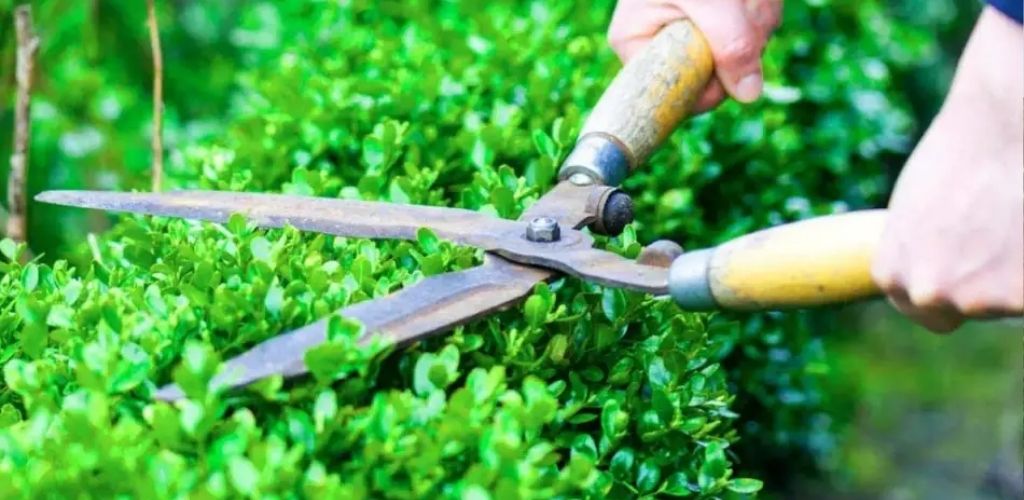
A hedge is a row of shrubs, trees, and bushes forming a fence that serves to define or protect a field or garden. To maintain its aesthetic and tidy appearance, it’s important to trim it properly. This encourages even and vigorous growth and results in a dense hedge that can protect against strong winds. Furthermore, it’s strongly recommended not to trim the hedge before the end of July.
The hedge provides shelter for a number of animals and birds. The League for the Protection of Birds recommends not cutting hedges from mid-March to the end of July to preserve biodiversity.
Why is it not advisable to prune a hedge before the end of July?
It is strongly recommended not to trim or prune hedges from March 15th until the end of July. During this period, several bird species, such as the European greenfinch, blackbird, chaffinch, and robin, build their nests in hedges. Pruning during this nesting period could destroy the natural habitat of these birds and disturb newly hatched chicks.
This is the right time to trim a hedge
The shrubs that make up the hedge grow most actively during early spring and late summer or autumn. It’s advisable to wait until the end of these growing periods to prune the hedges. This will allow you to maintain the size and shape you gave the shrubs for a long time. That said, remember to prune the hedges before March 15th, and between September and October.
Avoid pruning hedges during frost, as this could stunt their growth and ruin their color. If you choose to prune right after July 31st, in the middle of summer, be careful that temperatures aren’t too high. If they exceed 25°C (77°F), refrain from pruning, as it could stress the shrubs. In summer, it’s best to prune hedges early in the morning or late in the day, when temperatures are milder. Also, avoid pruning hedges during prolonged droughts because the shrubs, already depleted of nutrients, won’t be able to withstand the increased pruning.
How to properly trim a hedge?
To successfully trim your hedge, keep in mind that you need to trim the entire length at once to ensure a uniform shape. Also, trim the hedge from the bottom up . For hedges longer than 5 meters, it’s recommended to use an electric or gas-powered hedge trimmer. Move the trimmer up and down, keeping it close to your body to avoid tiring quickly. Make sure the base of the hedge is wider than the top so that all the bushes receive adequate light . If not all the foliage is well-lit, the lower part of the hedge may become thinner.
When trimming low hedges, use shears for greater precision. Finally, for successful pruning, it’s important to know which shrubs are suitable for hedges and therefore tolerate pruning well. These include flowering currants, strawberry trees, camellias, or even privet. Depending on your preferences, you can choose evergreen shrubs for a year-round green hedge or favor flowering shrubs to create a hedge that blooms with the seasons.
That said, trimming a hedge is important to promote even and vigorous growth of the shrubs that compose it. However, pruning should be done outside of the birds’ nesting period to protect their natural habitat.