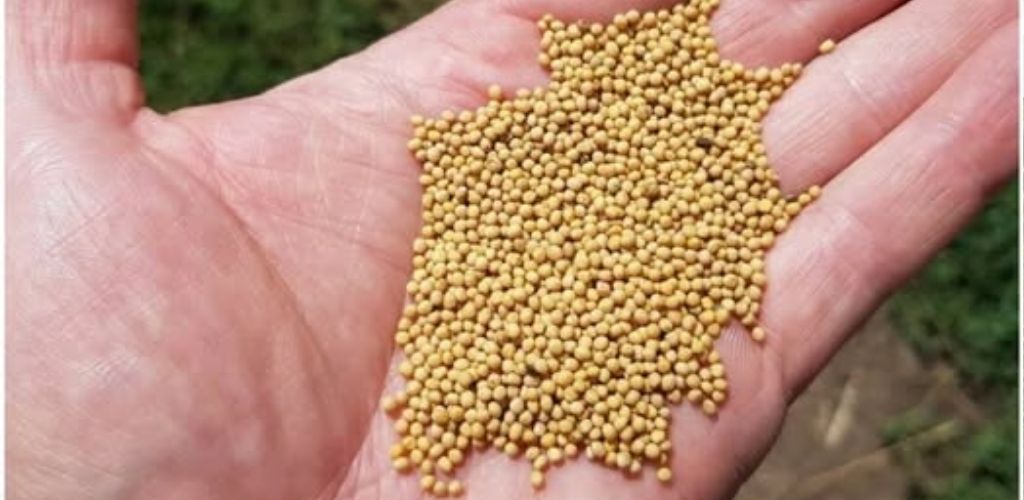
Ants, even without direct impact, can easily damage several plants, and getting rid of them can be difficult.
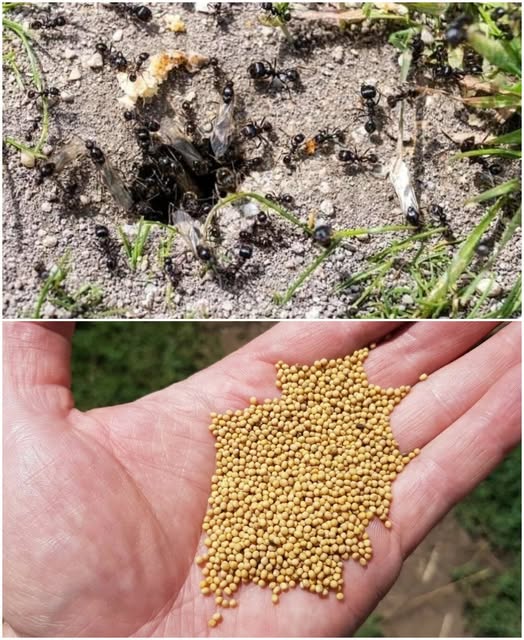
Digging out a colony entirely is difficult because you need to find the queen and destroy the central part of the colony.
Simply removing a few anthills often only results in the ants building new ones with even greater zeal.
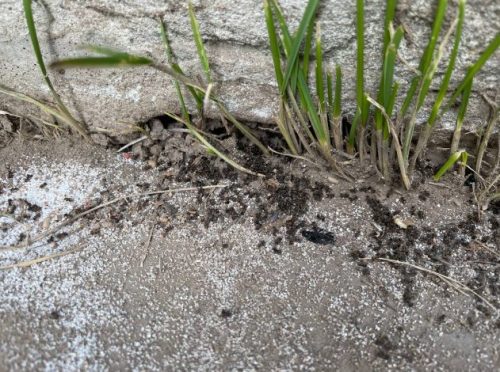
Ants can be poisoned, but this can harm the entire surrounding biome. There are several more gentle ways to solve this problem:
1. Ammonia :
This product temporarily reduces ant activity by producing a strong odor that repels insects.
To use, simply pour a solution of ammonia around the anthill or along their paths of movement.
The effect will last until the smell evaporates, which may take several days.
2. Anise oil and other essential oils :
Essential oils, including anise, peppermint, and lavender, are known for their repellent properties.
Oils can be dripped directly onto or around anthills, or used diluted in water to treat the area.
They are safe for plants and animals, but require regular renewal.
3. Insecticides :
There are special powders or liquids that contain substances that kill ants on contact or if swallowed.
Insecticides are effective for quickly killing large numbers of insects, but they can also harm other beneficial insects and require care when used to avoid contaminating soil and water.
4. Boric acid :
Boric acid is one of the most effective ant repellents. Mixing boric acid with an attractive substance, such as sugar or honey, creates a bait that worker ants carry back to the nest, poisoning the colony from within.
This method can be effective, including the possibility of destroying the queen.
5. Millet :
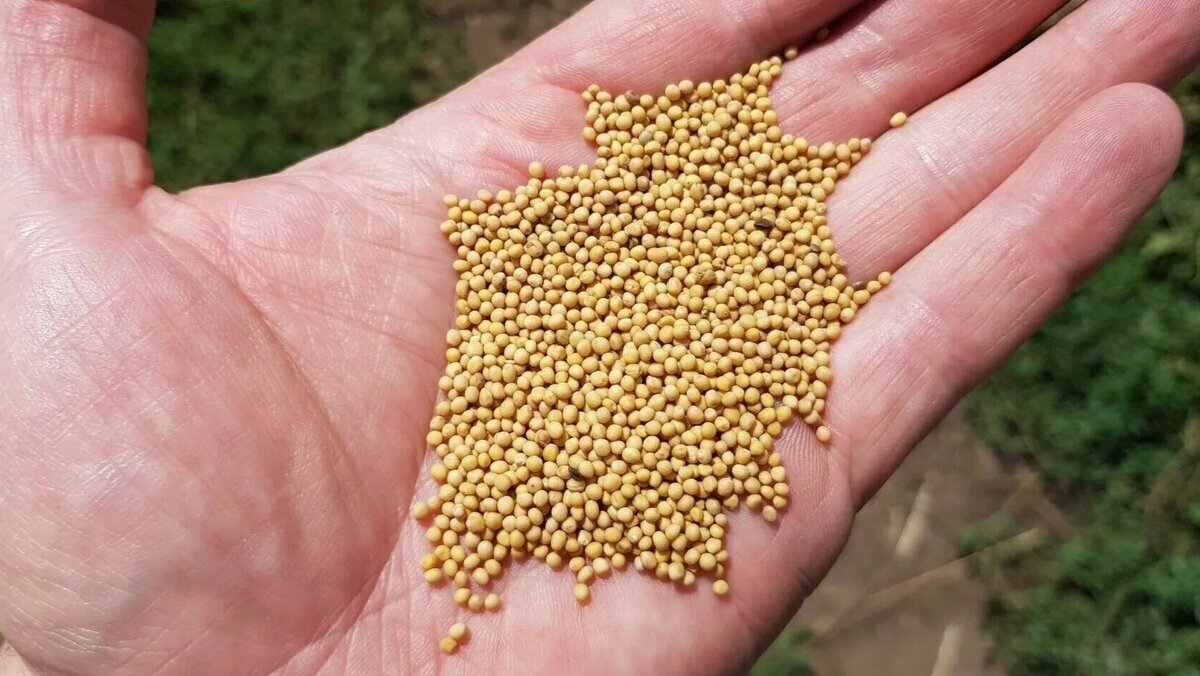
Sprinkling millet near anthills encourages ants to carry the grains inside, where they can absorb moisture and spoil, causing problems with their food supply. This method is less reliable and may not work with some ant species.
6. Insect glue :
Sticky traps or adhesive strips can be placed along ants’ paths, physically blocking their movement.
However, this method can be visually unsightly and requires regular replacement when the trap becomes filled with insects and dust.
7. Red hot pepper :

Sprinkling pepper or treating areas where ants congregate with a solution of pepper and water can effectively repel insects due to
the capsaicin it contains.
This method requires regular repetition, as the pepper is quickly washed away by rain and loses its properties.
These methods can be combined or adapted depending on the specific situation and the extent of the ant infestation.