Propagate Your Favorite Flowers for Free: The Best DIY Hacks for Roses, Lilies, and Dahlias
Purchasing new flower plants from commercial garden centers can quickly drain your budget. In recent years, import costs, logistical shifts, and economic changes have driven the prices of premium flower varieties out of reach for many backyard growers. Fortunately, you do not need to spend a small fortune to establish a breathtaking, colorful landscape. Many of the most stunning ornamental plants can be multiplied easily and completely free of charge through simple propagation techniques. By gathering cuttings, side shoots, or bulbils from helpful neighbors, friends, or your own existing flower beds, you can easily expand your botanical collection. With a few time-tested gardening methods, you can turn small plant slips into robust, heavy-blooming perennials.
Mastering Rose Propagation: The Genius Potato Secret for Steady Moisture
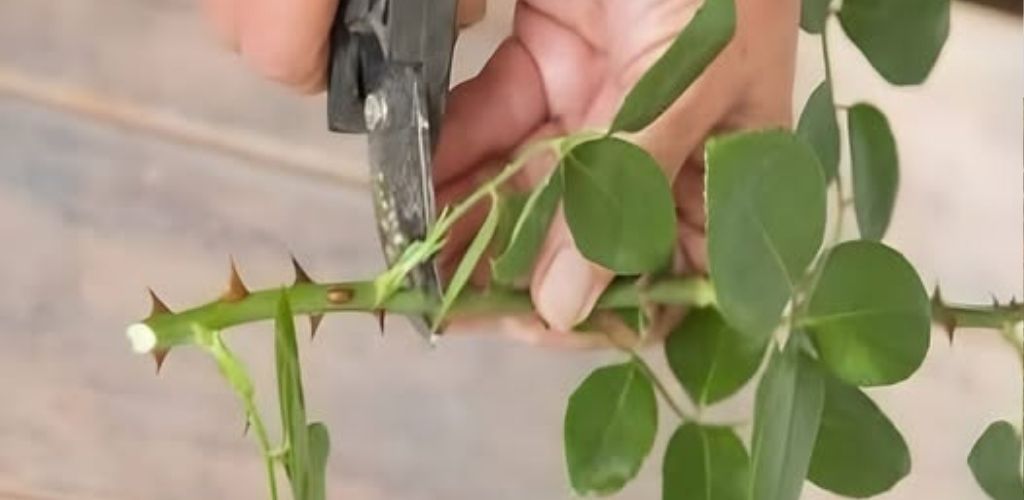
To successfully grow roses from cuttings, timing and selection are everything. The ideal material to harvest is a semi-hardwood stem—one that is firm enough to resist bending easily but has not yet turned completely woody or thick. Thinner shoots generally establish root systems much faster than chunky stalks. Cut a piece that features three to four healthy nodes or growth buds. Make a clean, straight cut 1 centimeter above the top bud, and an angled, 45-degree cut directly beneath the bottom node. To minimize moisture loss, trim away the top three segments of the five-leaflet leaves. Dip the angled bottom end in an organic rooting hormone and insert it into a shaded, damp patch of garden soil, angling the stem at 45 degrees so two nodes sit safely below the surface. Cover the cutting with a large plastic bottle to create a mini-greenhouse effect.
For weekend gardeners who cannot monitor soil moisture daily, a clever potato trick offers a brilliant solution. Before planting the prepared rose stem into the earth, push the bottom end roughly 1 centimeter deep into a fresh, whole potato tuber. Plant the entire potato together with the stem into your garden bed. Even if the surrounding soil dries out during a hot week, the cutting will continuously draw steady moisture and vital starches from the potato, preventing the wood from shriveling before roots develop.
A Quick Guide to Propagating Popular Garden Flowers:
| Flower Type | Best Propagation Material | Ideal Timing | Key Success Factor |
| • Garden Roses | Semi-hardwood stems | Mid to Late Summer | Keep soil moist or use the potato hack |
| • Tiger Lilies | Leaf bulbils (aerial droplets) | August to September | Let bulbils ripen fully until they detach |
| • Hybrid Lilies | Leaf cuttings from upper stem | Active Growing Season | Use a sand-capped soil mix and vent daily |
| • Dahlias | Side shoots (suckers/slips) | Early Summer | Bury exactly two nodes deep in shade |
| • Coleus & Begonia | Tip or side stem cuttings | Spring through Autumn | Simply root in a glass of clean water |
Two Simple Ways to Multiply Lilies Using Leaves and Bulbils
Lilies are incredibly resilient plants that offer two effortless pathways for free reproduction depending on the specific variety you are growing. The first method uses aerial bulbils—the small, dark, bead-like structures that form inside the leaf axils of Tiger Lilies. These miniature bulbils fully mature around late August or September after the main blossoms fade. Wait until they detach easily from the stem with a gentle touch. Plant these tiny starters directly into a dedicated nursery bed, burying them 2 to 3 centimeters deep and 5 to 6 centimeters apart. Give them a thorough watering and top the soil with a protective layer of organic mulch or peat. They will sprout beautifully the following spring and can be carefully moved to their permanent locations.
The second method involves using individual leaves, a technique that works wonders for a wide range of varieties including Madonna, Regal, and Longiflorum lilies. Gently pluck healthy leaves from the upper portion of a strong flower stalk. Prepare a propagation container with a solid layer of bottom drainage, 5 centimeters of nutrient-rich potting soil, and a 3-centimeter top layer of clean river sand. Insert the leaves diagonally into the sand layer up to half their length, water gently, and cover the setup with clear plastic wrap. Open the wrap daily for a few minutes to fresh air and prevent mold. Small, distinct bulbs will soon develop at the submerged base of each leaf. Before winter sets in, bury the container in your garden under a deep blanket of compost, and you will have fresh seedlings ready to transplant by spring.
Dahlias, Coleus, and Begonias: Fast Propagation Tips for Rapid Growth
While most gardeners treat dahlias as plants grown strictly from heavy root tubers, they can actually be multiplied rapidly using side shoots or “suckers,” much like tomato plants. When pruning your dahlia bushes to improve air circulation, save the healthy green side shoots that you remove. Plant these cuttings directly into a damp, shady garden bed or a starter pot, ensuring that exactly two nodes are buried beneath the soil line. Cover them with a cut plastic bottle for humidity. Within 10 to 12 days, the shoots will develop independent roots and begin pushing out new foliage. By autumn, these fast-growing cuttings will even form their own compact underground tubers, which can be dug up and stored in a cool cellar over winter to plant out next season.
If you are looking for an even easier project, soft-stemmed bedding plants like coleus and begonias are practically foolproof. Simply snap off a healthy top shoot or a vigorous side branch and place it directly into a simple glass of clean water. Within just a few days, a dense web of white roots will emerge, providing you with a fully established seedling ready for a pot or garden border. To keep these gorgeous varieties alive indefinitely, take fresh water cuttings from your outdoor beds in early autumn, pot them up, and let them beautify your indoor windowsills through the winter months. When spring returns, you can chop and propagate them all over again, creating an endless supply of free, beautiful plants for your home landscape!