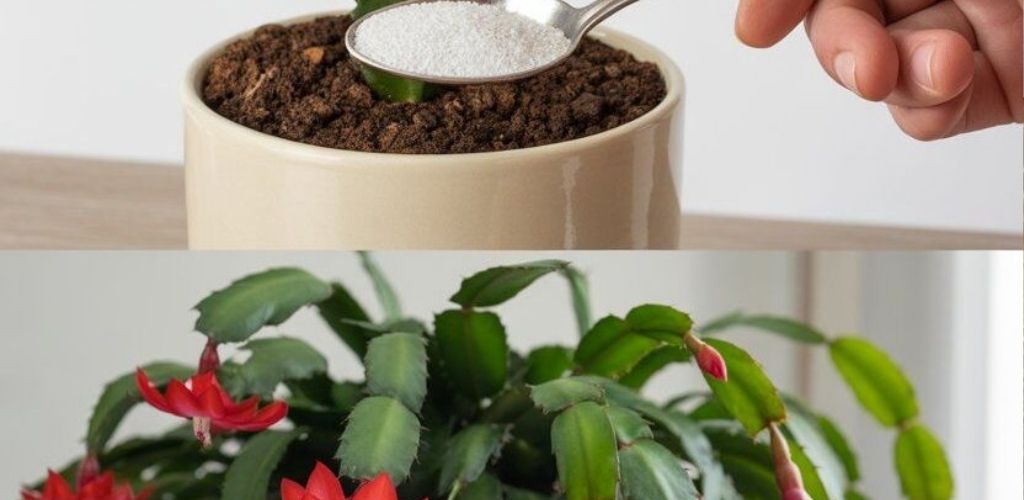
How to Make a Christmas Cactus Bloom: The Ultimate Care Guide for Spectacular Winter Flowers
The holiday cactus, officially known as Schlumbergera, is the undisputed star of indoor houseplants during the colder months. When the majority of your green collection enters a dormant winter phase, this resilient epiphyte surprises us with a spectacular explosion of vibrant blossoms in stunning shades of crimson, pink, magenta, and snowy white. However, a very common and frustrating issue many plant lovers face is buying a lush holiday cactus overflowing with potential buds, only to watch it stubbornly refuse to produce a single flower the following winter season. The secret to unlocking its full potential lies in recognizing that this species is not a desert inhabitant, but rather a tropical rainforest native originating from the coastal mountains of Brazil. By following a few straightforward rules, you can easily guide your plant into a magnificent flowering cycle precisely in time for the winter festivities.
Perfect Lighting Conditions and the Secret Photoperiod Trick
Unlike its prickly desert cousins, the tropical Christmas cactus naturally thrives under the dense canopy of rainforest trees, meaning it prefers bright, indirect sunlight rather than harsh, direct rays. Placing your plant on an east-facing or north-facing windowsill provides the ideal balance of morning glow and protective shade throughout the day. A great rule of thumb to remember is that while it loves a bright environment, direct scorching sunlight will quickly sunburn the fleshy segments, causing them to turn an unhealthy reddish-purple tint.
The real secret to initiating a massive bud development cycle is understanding the plant’s unique photosensitivity. To trick your Schlumbergera into flower production, it requires a strict regimen of short days and long, uninterrupted nights starting in early autumn. Beginning in October, ensure your plant receives 12 to 14 hours of complete, pitch-black darkness every single night. You can achieve this by placing the container in an unused room or lightly covering it with a dark cloth or cardboard box each evening.
Temperature Regulation and Avoiding the Dreaded Bud Drop
Improper room temperature and modern heating systems are the primary culprits behind sudden bud drop, leaving many indoor gardeners wondering where they went wrong. During the active daytime hours, your houseplant will thrive comfortably in standard household temperatures ranging between 18°C and 22°C.
However, you must never position your container directly above a hot radiator, near a roaring fireplace, or in the direct path of an air conditioning unit. Dry air currents and artificial drafts are enemy number one for this moisture-loving epiphyte. To stimulate a robust flowering response, the plant requires a noticeable temperature drop down to 15°C or 16°C during the autumn evenings. This natural chill mimics the changing of seasons in the rainforest, signaling to the plant that it is time to shift its energy into producing gorgeous holiday blooms.
Smart Watering Schedules and Seasonal Moisture Needs
Despite having the word “cactus” in its common name, this tropical variety requires a much more frequent watering routine than a traditional succulent. The gold standard for holiday cactus watering is to keep the potting medium evenly moist but never waterlogged or muddy.
Seasonal Watering and Soil Moisture Guide
| Growing Season | Ideal Frequency | Checking Method & Soil State |
| • Spring & Summer | Regular active watering (typically once a week). | Press a finger 3 cm into the soil; water thoroughly if the top layer feels dry. |
| • Autumn & Winter | Reduced watering (roughly every 2 to 3 weeks). | Allow the substrate to dry out slightly more between sessions to prevent root rot. |
| • Post-Blooming Phase | Minimal moisture (brief rest period after flowers fade). | Provide just enough water to keep the green segments from shriveling. |
A catastrophic mistake made by many beginners is allowing stagnant water to pool continuously in the decorative saucer. Standing water suffocates the delicate root system, leading to rapid root rot and limp, dropping stems. Always empty the excess drainage tray within 15 minutes of watering your plant.
Nutrient Schedules and Proper Soil Re-potting Techniques
To keep your holiday centerpiece strong and vigorous throughout its long lifespan, a strategic fertilizing routine is essential. From March through September, during the active vegetative growth phase, feed your plant once a month with a balanced liquid fertilizer formulated for houseplants or cacti. As autumn approaches in September and October, switch to a high-potassium and phosphorus-rich bloom booster fertilizer to directly stimulate bud formation. Stop all fertilization entirely as soon as the first flowers open in November and December.
When it comes to re-potting, this unique species actually prefers a cozy, slightly root-bound environment, which encourages a much denser display of flowers. You should avoid rushing to change the container; transferring the plant to a larger pot is only necessary once every 3 to 4 years during the spring after all blossoms have faded. Always use a highly aerated, well-draining soil mix consisting of quality potting soil blended with plenty of perlite, coarse sand, or orchid bark to ensure excellent moisture movement.
Troubleshooting Common Holiday Cactus Problems
If your plant is looking less than stellar, it is usually sending out a cry for help through its foliage. If you notice your buds dropping prematurely right before they open, it is highly likely that you recently moved or rotated the pot. Once flower buds form, do not disturb or turn the container, as Schlumbergera is incredibly sensitive to even slight changes in the light angle. Soft, wrinkled, and wilted segments, on the other hand, indicate a severe root issue—either caused by extreme dehydration or the exact opposite problem of overwatering, which rots the roots and prevents them from absorbing moisture.
Ultimately, this incredible winter-blooming succulent is a living heirloom piece that can easily survive for decades, often being passed down through generations within families. With just a little bit of patience, proper indirect light management, and respect for its autumnal rest cycle, it will reward your household with a breathtaking crown of colorful winter flowers during the darkest days of the year. Try these easy plant care tips this season and watch your festive indoor garden truly come alive!