How to Winterize Roses: Essential Winter Rose Care Tips for a Spectacular Spring Bloom
Roses are undeniably some of the most beloved and enduring focal points in American gardens. They are remarkably hardy, long-lived, and capable of producing breathtaking, fragrant blossoms year after year—but only if they receive the proper care and protection during the quiet winter months. While rose bushes may appear completely dormant and inactive during the cold season, what you do between December and February is absolutely critical to their long-term health, structural strength, and next season’s flowering abundance. Taking the time to insulate them from freezing temperatures, fix minor structural issues, and prep the surrounding soil lays the foundation for explosive new growth once the ground thaws.
Mastering Winter Pruning: Removing Dead Wood and Improving Airflow
An essential first step in winter rose care is strategic pruning, which channels the plant’s energy away from damaged wood and directly into vibrant new stems.
- Light Maintenance Pruning (December–January): Perfect for tidying up unruly canes and preventing wind rock.
- The Main Hard Prune (Late January–February): Execute this crucial step just before the buds begin to swell.
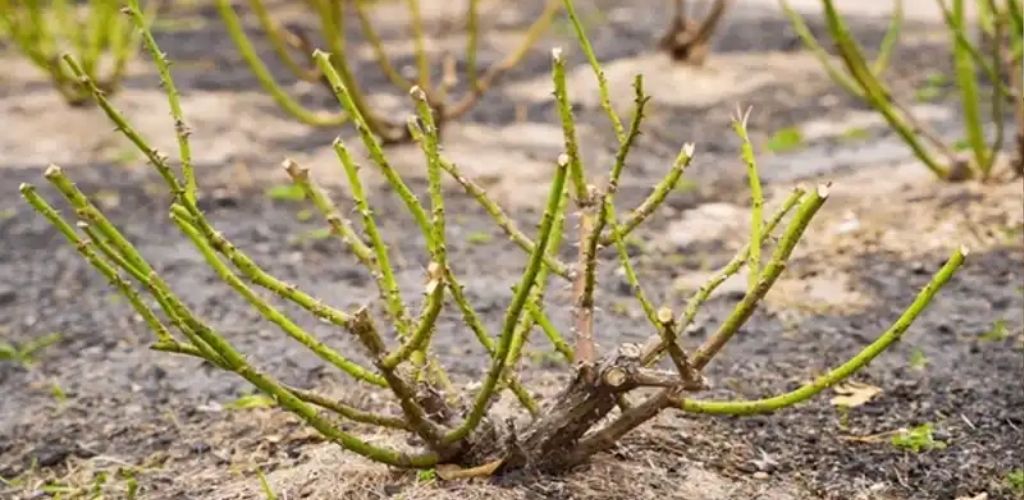
Using clean, sharp bypass pruning shears, remove any dead, blackened, or diseased canes, along with weak, spindly growth and branches that rub against each other. Always make your cuts at a 45-degree angle roughly 1/4 inch above an outward-facing bud; this allows rainwater to drain off safely rather than pooling on the cut. Proper winter pruning thins out the dense center of the bush, drastically improving air circulation and lowering the risk of fungal infections when warmer weather arrives.
Insulating the Root Zone: How to Protect Rose Bushes from Freezing Temperatures
Cold protection is most effective when applied in late autumn or early winter, but because severe winter conditions across the USA persist well into January and February, touch-ups are frequently required. Extreme freeze-thaw cycles can heave the soil, damaging delicate root systems and killing the plant from the base up.
To properly insulate your roses, begin by mounding 4 to 8 inches of rich topsoil or organic compost directly around the base of the plant. Pay special attention to covering the graft union—the swollen area near the soil surface where the prized rose variety is joined to the hardy rootstock. Layer a thick blanket of organic mulch, such as wood chips, clean straw, or shredded bark, over the mound. Avoid wrapping the bushes in tight plastic covers, as these trap stagnant moisture and create a breeding ground for rot and mold.
Sanitizing the Garden Bed: Preventing Fungal Diseases and Overwintering Pests
Old autumn leaves and decaying organic debris might seem harmless, but they are actually the primary overwintering sites for devastating spring plant diseases and stubborn garden pests.
Essential Steps for a Thorough Winter Garden Cleanup
| Winter Sanitation Task | How to Execute It Properly | Key Benefits for Spring Health |
| • Rake Fallen Foliage | Clear away all dropped rose leaves and old mulch from under the canopy. | Drastically reduces spores of black spot, powdery mildew, and rust. |
| • Eliminate Invasive Weeds | Pull up stubborn winter weeds by the roots while the soil is damp. | Removes competition for vital nutrients and moisture in the spring. |
| • Examine Stems for Pests | Inspect bare canes for hidden aphid eggs, spider mite webs, and scale insects. | Allows for early, targeted treatment before a full-blown infestation occurs. |
| • Loosen the Topsoil | Gently break up the compacted surface crust around the drip line. | Improves water penetration and disrupts the life cycles of soil-dwelling pests. |
Applying Dormant Sprays and Planning Your Spring Rose Fertilizer Routine
Winter is the absolute best time to apply eco-friendly dormant oils or mild lime-sulfur fungicide treatments to the bare canes. Because the plant has no leaves, these sprays can safely coat the bark and suffocate microscopic pest eggs and fungal spores without damaging the foliage.
Furthermore, the dormant season is ideal for testing your soil’s pH levels (roses thrive best in a slightly acidic to neutral range of 6.0 to 6.5) and top-dressing the area with well-rotted manure or compost to naturally boost nutrient levels. However, you must strictly avoid applying nitrogen-rich commercial fertilizers during the winter. Introducing nitrogen too early stimulates tender, weak new growth that will instantly freeze and die during the next frost, severely shocking the root system. Save the heavy feeding for early spring when you notice the first signs of consistent active growth.
By transforming these simple tasks into an annual winter checklist—pruning dead wood, mounding the graft union, clearing out garden debris, and prepping the soil—you ensure your rose garden enters the spring in peak condition. Winter care isn’t about forced growth; it is about building a rock-solid foundation. A little bit of focused effort during the coldest months of the year pays massive dividends in the form of robust stems, glossy green foliage, and an incomparably vibrant explosion of colorful blooms. Treat your roses right this winter, and your backyard will become the envy of the entire neighborhood all summer long!