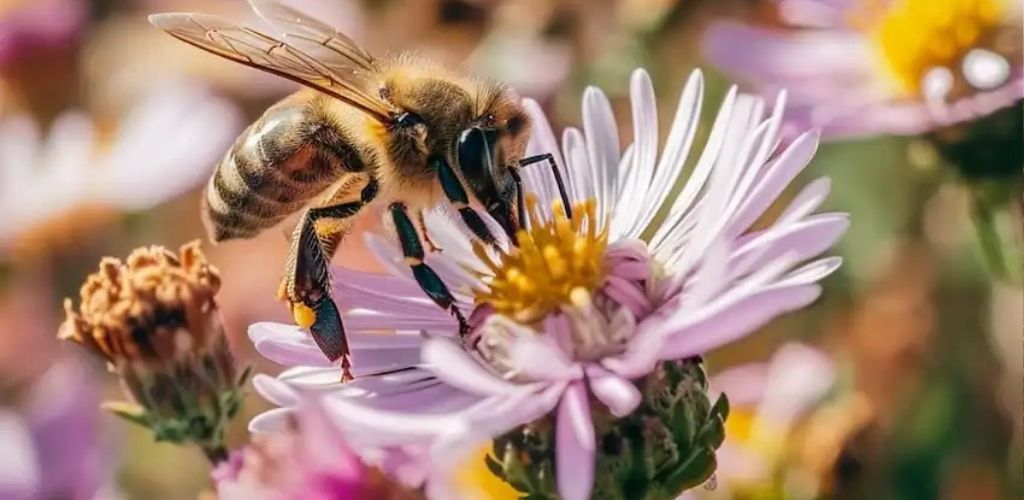
The Ultimate Guide to Bee-Friendly Plants: Create a Vibrant Pollinator Haven in Your Backyard
Bees play an absolutely indispensable role in our global ecosystem, acting as primary pollinators for countless varieties of fruits, vegetables, flowers, and wild seed crops. Unfortunately, wild bee populations are facing steep declines worldwide due to pesticide exposure, severe habitat loss, and climate shifts. Transforming your backyard, balcony, or community garden into a pollinator sanctuary is one of the most immediate, simple, and effective ways you can actively protect these vital insects. By intentionally cultivating a diverse array of nectar-rich flowers and native plants, you provide essential nourishment that helps foraging hives thrive while vastly improving the biodiversity and overall ecological health of your local landscape.
Why Planting for Pollinators Matters: Nectar, Pollen, and Ecosystem Health
When you build a dedicated pollinator garden, you are offering bees their primary sources of fuel: sugar-rich nectar for daily physical energy and protein-dense pollen to nourish growing larvae back in the hive. Beyond simply feeding the insects, a bee-friendly habitat establishes a balanced, natural environment where predatory beneficial insects can naturally manage common garden pests, reducing your need for synthetic chemical applications. Furthermore, encouraging consistent bee activity directly correlates with a significantly higher fruit and vegetable yield in your backyard orchard or raised bed setup, creating a sustainable loop of growth and productivity.
Top 7 Bee-Friendly Plants to Grow This Season
Integrating a mix of perennial herbs, annual wildflowers, and striking ornamental blooms ensures your landscape appeals to a wide variety of native bee species, including bumblebees, honeybees, and solitary masons.
- Lavender (Lavandula): This sun-loving perennial is packed with highly concentrated nectar. Its intense aromatic oils can attract foraging bees from great distances. Plant lavender in sharply draining, sandy soil under full sun, spacing individual bushes roughly 18 inches apart to allow for maximum airflow.
- Sunflowers (Helianthus): Known for their massive, pollen-heavy central discs, sunflowers function as a premier seasonal feeding station. Sow seeds directly into rich soil about 1 inch deep and 6 inches apart in a location that receives unrestricted daily sunlight.
- Borage (Borago officinalis): Also known as starflower, borage is an exceptional annual herb famous for its rapid nectar replenishment rate, meaning a single bloom can feed multiple bees throughout the day. Sow borage seeds in early spring in well-drained soil under a bright sunny patch, spacing plants 12 inches apart.
Expanding the Menu: Ornamental Blooms and Aromatic Herbs
To build a truly resilient sanctuary, look for plants that feature varied flower shapes, as different bee species have evolved distinct tongue lengths tailored to specific floral structures.
Pro-Growth Specifications for Bee-Friendly Varieties
| Plant Name | Flower Structure & Appeal | Optimal Soil & Lighting Conditions | Planting Distance Tips |
| • Foxglove (Digitalis) | Deep, tubular bells perfect for large bumblebees. | Rich, moist organic soil; thrives in partial shade. | Space crowns 15 inches apart in late spring. |
| • Rosemary (Salvia rosmarinus) | Provides a critical, early-season nectar source. | Sharply drained, gritty soil; requires full sun. | Space mature shrub cuttings 24 inches apart. |
| • Coneflower (Echinacea) | Wide, open landing pads accessible to all pollinators. | Moderately fertile, average soil; sun to partial shade. | Space roots 12 to 36 inches apart depending on variety. |
| • Mint (Mentha) | Tiny cluster blossoms brimming with sweet nectar. | Adaptable, moisture-retentive soil; sun or shade. | Grow strictly in containers to prevent invasive spreading. |
Strategic Design Tips for a Highly Effective Backyard Bee Sanctuary
Simply scattered flower placement isn’t enough to maximize your conservation efforts; proper habitat design plays a crucial role in how easily foraging insects can locate and use your garden space.
First, always arrange your flowers in dense, distinct color blocks or groupings rather than scattering individual plants across the yard. Large clusters of identical blooms are far easier for scouting bees to spot from mid-air, saving them precious flight energy. Second, implement a strict zero-chemical policy across your property, replacing industrial bug sprays with organic companion planting techniques and physical barriers. Third, set up a dedicated hydration station by filling a shallow dish or birdbath with clean water and lining it with flat, protruding landing stones or marbles; this allows thirsty worker bees to drink safely without the risk of slipping in and drowning.
Ultimately, creating a sustainable sanctuary is all about establishing structural and seasonal variety. By selecting a thoughtful mix of early spring starters, mid-summer continuous bloomers, and late autumn perennials, you guarantee a reliable, uninterrupted food chain for your local hives during their entire active life cycles. Stepping away from manicured, sterile lawns and embracing a living, buzzing landscape is a powerful choice that fosters environmental conservation right at home. Gather your seed packets, prepare your soil, and enjoy the wonderful journey of watching your garden transform into a thriving, humming oasis of life!