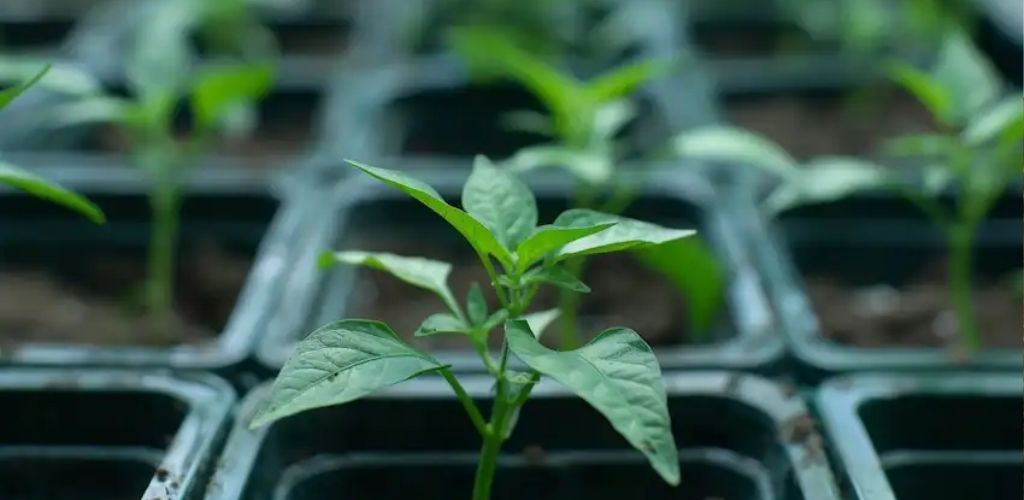
How to Stimulate Fast Pepper Seedling Root Growth: The Ultimate DIY Nutrient Solution
For every passionate home gardener striving for an exceptionally abundant harvest, cultivating robust, stocky seedlings is the absolute foundation of seasonal success. This rule is especially critical when it comes to sweet and hot pepper plants (Capsicum annuum), which naturally demand a highly resilient, expansive underground root network to support heavy fruit sets later in the summer. When young pepper sprouts are restricted by poor soil conditions or low nutrient availability, they quickly become stunted, leading to sparse blooming and drastically lower yields. Fortunately, with just a little focused care and the right biochemical shortcuts, you can supercharge the vitality of your nursery stock. Below, we break down a professional-grade, budget-friendly root feeding regimen designed to unlock the full genetic potential of your crops from day one.
The Architecture of Pepper Roots: Why Early Container Management Matters
Understanding the unique subterranean growth patterns of sweet peppers is key to managing your indoor nursery effectively. In their initial vegetative stages, these heavy-feeding annuals allocate the majority of their energy to expanding microscopic root hairs, which are exclusively responsible for absorbing water and vital soil minerals.
Because home gardeners typically start seeds in small plastic plug trays, the root mass can quickly become root-bound, wrapping around the interior container edges and choking out oxygen. To prevent this developmental bottleneck, you must execute a timely transplanting process—often called potting up. Moving your young sprouts into a larger, deeper container as soon as the first true leaves expand gives the root system unrestricted physical space to spread out horizontally and vertically, laying the biological foundation for a thick, sturdy central stalk.
Balancing Light and Ambient Temperature for Compact Stem Growth
Before introducing specialized mineral fertilizers to your indoor shelving unit, you must first optimize the physical environment, as chemical boosters cannot compensate for inadequate cultural conditions.
- High-Intensity Grow Lighting: Pepper seedlings require a minimum of 14 to 16 hours of intense, full-spectrum light daily. Utilizing adjustable LED grow lights suspended just 3 to 4 inches above the leaf canopy prevents the plants from becoming leggy and weak as they stretch toward distant windowsill sunlight.
- Controlled Thermal Zones: Maintain daytime ambient temperatures between 70°F and 78°F (21°C to 26°C). Dropping the room temperature by 5 to 10 degrees at night mimics natural outdoor cycles, signaling the plant to stop upward stem elongation and focus its energy on subterranean cellular division.
The Secret Recipe: Preparing the Ultimate Root-Boosting Solution
To rapidly accelerate root tissue multiplication, professional horticulturalists rely on a highly effective combination of two readily available, water-soluble compounds that trigger lateral root branching without triggering toxic salt accumulation.
Biochemical Components of the DIY Root Stimulant
| Active Ingredient Name | Nutritional / Physiological Role | Direct Impact on Pepper Seedling Health |
| • Monopotassium Phosphate | Highly concentrated source of pure phosphorus and potassium. | Phosphorus drives rapid ATP energy transfer to stimulate immediate root branching. |
| • Succinic Acid | Functions as a powerful natural bio-stimulant and plant adaptogen. | Enhances chlorophyll production, improves nutrient uptake, and reduces transplant shock. |
To prepare this powerful homemade liquid fertilizer, completely dissolve 1 gram of pure monopotassium phosphate powder into one liter of room-temperature, chlorine-free water (such as collected rainwater or settled tap water). This crystal compound dissolves instantly, much like table sugar. Next, grind up and add exactly 0.2 grams of succinic acid powder or tablets into the liquid matrix, stirring thoroughly until the water is completely clear.
Precision Application Methods and Seasonal Feeding Frequencies
Applying your homemade root-boosting elixir requires a delicate, targeted approach to avoid waterlogging the fragile soil mix and causing root rot.
For maximum precision, use a plastic garden syringe or a small, narrow-spouted watering can to apply the solution directly to the base of each plant, completely avoiding the green foliage. The absolute best time to administer the first dose is roughly 3 to 5 days after you have potted up your seedlings into larger containers; this delay allows microscopic root tears caused during transplanting to heal safely before they come into contact with active minerals. Repeat this targeted organic feeding routine 2 to 3 times throughout the indoor growing phase, spacing the applications roughly 7 to 10 days apart. Always alternate this solution with plain, pure water to maintain a balanced, stable soil pH level.
Ultimately, raising high-yielding pepper plants is a test of patience that rewards careful observation. Keep a watchful eye on your containers daily; if you notice pale yellow lower leaves, it may indicate a need for a light nitrogen supplement, whereas rich, dark green, compact growth confirms your root-boosting routine is working perfectly. Transitioning your plants outdoors through a gradual hardening-off process ensures these highly developed root networks can immediately anchor into your garden beds without stalling. By substituting generic commercial fertilizers with this specialized monopotassium phosphate and succinic acid shortcut, you provide your home orchard with the exact metabolic building blocks required for long-term agricultural success. Happy planting, and may your garden reward you with an incredibly abundant harvest!