As winter slowly loses its grip, the subtle crispness of spring begins to drift through the air. For passionate gardeners, this transitional period—while your fruit trees and perennial plants are still completely dormant—presents the absolute ultimate window of opportunity to kickstart your seasonal yard work. Taking action now, before the sap begins to rise, lays a rock-solid foundation for a thriving, hassle-free, and high-yielding growing season. By investing a little time into your landscape during these late winter days, you can drastically minimize heavy spring chores and eliminate potential problems before they even surface.
Sanitary Fruit Tree Pruning: Stimulate Healthy Growth Before Bud Break
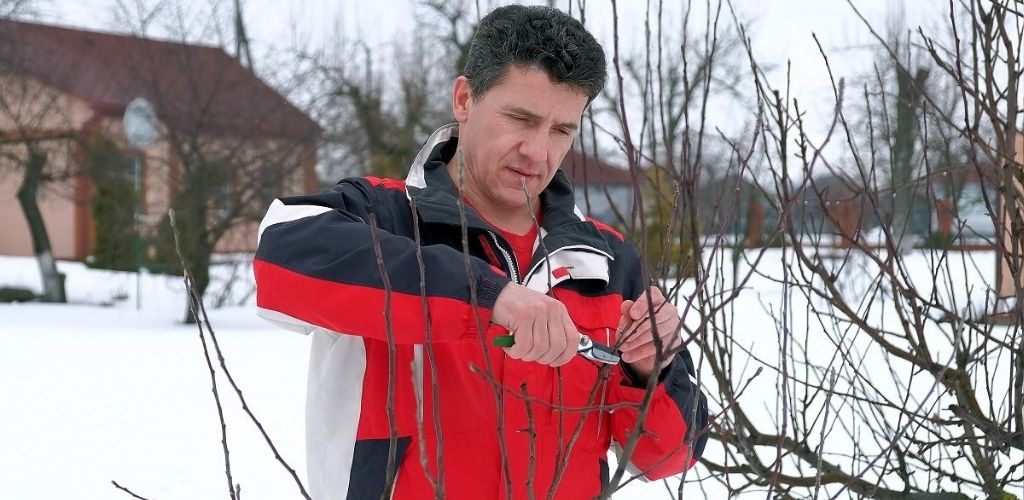
The absolute first priority on your late-winter checklist should be corrective and sanitary fruit tree pruning. While your orchard is still sleeping, it is incredibly easy to evaluate the branch structure without dense foliage blocking your view. Removing dead, diseased, crossing, or structurally weak branches not only reshapes the canopy but also significantly maximizes air circulation and sunlight penetration, which directly boosts fruit production later in the summer.
To ensure your trees heal properly and avoid structural stress, it is vital to adhere to a few professional pruning guidelines:
- Weather Conditions: Always prune your orchard on a completely dry, clear day to prevent airborne moisture from trapping pathogens.
- Wound Care: Treat any large cut surfaces immediately with a high-quality organic garden pitch or pruning sealer to block fungal spores.
- Sharp Tools: Ensure your bypass pruners and loppers are thoroughly sterilized to prevent cross-contamination between different plants.
Proactive Winter Pest Control: Destroy Overwintering Insects and Fungal Spores
While your garden might look completely peaceful on the surface, thousands of hidden insect larvae, pests, and fungal spores are currently overwintering deep within the crags of tree bark and surrounding soil debris. Waiting until the warm spring sun awakens these organisms makes pest management twice as difficult. Implementing proactive, preventative spraying while the buds are still closed is the single most efficient way to break the pest cycle and protect your future harvest.
A thorough application of copper sulfate or iron sulfate spray acting as a natural fungicide will immediately neutralize dormant spores of apple scab, powdery mildew, and leaf curl. To maximize protection, pair this spraying routine with classic trunk whitewashing. Applying a thick layer of breathable garden lime whitewash to the lower trunks reflects harsh late-winter sunlight, preventing temperature-induced bark splitting, while simultaneously suffocating any insect eggs tucked away in the bark crevices.
Smart Soil Mulching and Nutrition: Lock in Moisture and Protect Root Systems
Extreme temperature fluctuations between frozen nights and sunny winter afternoons can wreak havoc on shallow root systems, causing a phenomenon known as frost heaving. To stabilize soil temperatures and conserve valuable moisture from melting snow, applying a generous layer of organic mulch around the root zones of your trees and shrubs is highly recommended. For a deeper look at revitalizing delicate plants, feel free to read our [internal guide on orchid care and natural fertilizers].
A premium mulching mixture consisting of aged wood shavings, rich organic compost, or well-shredded dry leaves acts as a protective thermal blanket for the earth. As the spring rains arrive, this organic matter slowly decomposes, gradually bleeding essential micronutrients into the topsoil and significantly improving the overall soil structure. Additionally, late winter is the perfect time to enrich your future vegetable beds by broadcasting organic matter such as well-rotted manure or nutrient-dense compost across the surface.
Garden Tool Maintenance: Essential Inspection for Seamless Spring Yard Work
When the true spring rush hits, every single sunny afternoon becomes incredibly precious. You certainly do not want to waste those prime planting days struggling with rusted loppers, jammed sprayers, or dull shovels. Dedicating a few hours right now to comprehensive tool maintenance and gear inspection ensures that you will step out into your yard fully prepared when the ground finally thaws.
Take the time to thoroughly disassemble, clean, and sharpen your bypass pruners and garden shears using a fine-grit sharpening stone. Wipe down metal surfaces with a light coating of mineral oil to prevent rust development, and inspect your backpack sprayers for cracked hoses or clogged nozzles. Working with sharp, clean, and fully operational tools not only reduces your physical fatigue but also guarantees clean, precise cuts on your plants, which dramatically minimizes the risk of tearing delicate bark fibers.
A Yearly Master Plan for Late-Winter Garden Preparation
To help you organize your upcoming weekend garden tasks seamlessly, we have structured my time-tested pre-spring preparation routine into an easy-to-read, scannable table below:
Late-Winter Garden Preparation Checklist
| Task Category & Action | Ideal Timing | Primary Agricultural Benefit | Expected Result in Summer |
| • Sanitary Orchard Pruning | Mid-to-late winter (Dry day) | Removes dead wood; shapes canopy | Increased fruit yield; less branch breakage |
| • Preventative Copper Spraying | Before bud swelling | Destroys dormant fungal spores | Disease-free foliage; clean fruit skins |
| • Trunk Whitewashing | Early sunny winter days | Prevents bark cracking; kills larvae | Smooth bark; significantly fewer insect pests |
| • Organic Root Mulching | Late winter / Early thaw | Regulates soil temperature; locks moisture | Resilient root systems during summer droughts |
| • Soil Amending & Ash Feed | Before active planting | Enriches soil with calcium and potassium | Explosive vegetative growth and strong roots |
By methodically taking care of these vital structural details ahead of schedule, you will completely eliminate the frantic spring rush, ensuring a beautifully peaceful, low-stress, and highly rewarding harvest season. The key to ultimate gardening success is simply timing—act now while your plants are safely resting!