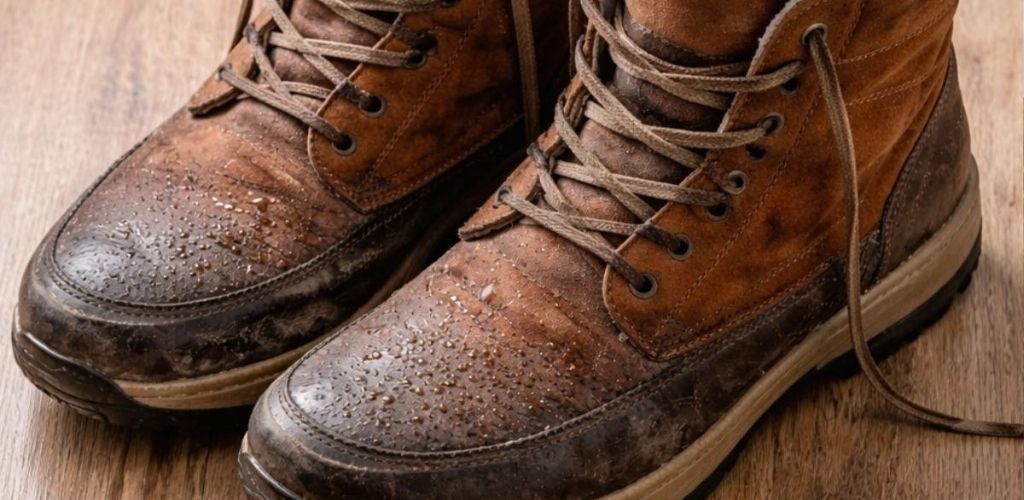
How to Dry Wet Shoes Fast in Winter: Safe and Proven Hacks to Save Your Footwear
Winter weather is notorious for its unpredictable and messy surprises. One moment a fresh blanket of snow covers the ground, and just a few hours later, it transforms into deep, slushy puddles. This rapid temperature shift means that even the highest-quality winter boots and leather shoes can get completely soaked through after a brief walk outside. When your favorite winter footwear is saturated with moisture, it is crucial to dry it as quickly as possible. However, rushing the process with improper heating sources can permanently ruin the material. To get your boots dry overnight while keeping their shape, flexibility, and neat appearance intact, you should rely on a few simple, time-tested, and safe methods.
The Classic Newspaper Trick: Ditch the Space Heaters
When looking for a budget-friendly home remedy to dry wet shoes fast, ordinary crumpled newspaper or clean paper towels are your absolute best friends. This old-school method is incredibly effective because the porous paper fibers naturally draw water out of the fabric or leather like a sponge. Simply unlace your boots, open the tongues as wide as possible, and tightly pack the entire interior with crumpled paper before leaving them in a warm room. To maximize the absorption speed, make sure to check the footwear every couple of hours and replace the damp paper with fresh, dry sheets as soon as it feels saturated.
For a highly reliable alternative, you can invest in reusable shoe-drying inserts packed with silica gel packets or specialized chemical absorbents. These handy inserts are engineered to aggressively pull ambient moisture directly out of the toe box within just a few hours. No matter how wet your boots are, the golden rule of shoe care is that your footwear must always dry naturally in a well-ventilated space. For more clever household maintenance tips and efficiency life hacks to protect your seasonal investments, don’t miss our comprehensive [internal guide on household efficiency hacks].
The Pantry Rescue: Using Household Salt or Rice to Absorb Water
If you find yourself stuck without any old newspapers or silica gel inserts on a rainy evening, you can easily rescue your winter boots using common kitchen pantry staples. Both coarse table salt and uncooked white rice possess incredible natural desiccant properties, meaning they easily absorb moisture directly from the surrounding air. To avoid making a mess inside your footwear, simply fill a clean, thick cotton sock or a small fabric pouch with a generous amount of salt or dry rice, tie a secure knot at the top, and slide the filled pouch deep into the toe box of each wet shoe.
Once the pouches are nestled inside, position your footwear in a dry, well-ventilated room with consistent airflow. It is absolutely vital to keep your shoes far away from active electric space heaters, open fireplaces, or harsh direct sunlight during this process. Excessive heat and UV radiation are incredibly destructive to both natural leather and synthetic materials, as they strip away natural oils, causing the upper sections to shrink, warp, and stiffen. If you are also busy organizing your outdoor storage and winter prep alongside your wardrobe, feel free to explore our [internal guide on backyard renovations] for seasonal landscape care.
What You Destructively Must Avoid: The Ultimate Footwear Taboos
When you are in a massive rush to get to work or school in the morning, it can be incredibly tempting to try extreme shortcuts to dry your winter boots. However, placing any type of footwear inside a conventional kitchen oven or a microwave is an absolute, strict taboo. These appliances generate intense, concentrated thermal energy that will almost instantly destroy your investment. Such dangerous experiments are guaranteed to liquefy the industrial shoe glues holding your boots together, resulting in cracked rubber soles, warped footbeds, and peeling seams that cannot be repaired by a cobbler.
Similarly, using household hair dryers or high-powered radiator heaters should only be approached with extreme caution and under strict supervision. If you absolutely must use a hair dryer to accelerate the process, configure the tool to its lowest, coolest airflow setting. Hold the nozzle at least 30 centimeters away from the material and constantly monitor the surface temperature with your hand to ensure it never gets hot to the touch. Keep the air stream moving uniformly rather than focusing on one spot, and completely avoid this method if you are dealing with delicate materials like premium suede, nubuck, or thin luxury leather.
Proactive Shoe Care Tips to Extend the Life of Your Winter Boots
To ensure your winter footwear remains pristine, comfortable, and completely odor-free throughout the damp winter months, try integrating these professional shoe care habits into your daily household routine:
- Remove the Insoles Fast: Always pull the insoles and orthotic inserts completely out of your wet shoes immediately. Drying them separately on a wire rack allows air to reach the bottom seams of the boot, cutting your overall drying time in half.
- Condition Clean Leather: Wet leather loses its natural protective oils as it dries. Once your leather boots are 100% dry, immediately apply a generous layer of beeswax cream, mink oil, or a specialized leather balm to restore flexibility and prevent cracking.
- Banish Sour Odors Naturally: To prevent unpleasant bacteria and damp musty odors from developing inside wet fabric linings, place a paper napkin treated with a few drops of antibacterial essential oils (such as tea tree, lavender, or eucalyptus oil) inside the shoes overnight.
- Invest in Low-Heat Electric Dryers: For regular winter commuters, purchasing a dedicated electric shoe dryer that utilizes a gentle, low-temperature thermal convection cycle is an exceptional investment that safely dries boots without any structural risk.
Quick Summary: Safe vs. Dangerous Shoe Drying Methods
To help you easily avoid costly mistakes during the hectic winter season, we have summarized the safety levels and mechanical impacts of various shoe-drying techniques in the practical comparison matrix below:
Winter Footwear Drying Safety Matrix
| Drying Method | Safety Level | Structural Impact on Footwear | Best Suited For | Risk Factor to Watch |
| • Crumpled Paper / Silica Gel | Exzellent (Recommended) | Zero structural stress; maintains original shoe shape | All materials (Suede, Leather, Fabric) | Requires changing the paper when soaked |
| • Salt or Rice Pouches | Very High (Safe) | Naturally extracts moisture without heat | Everyday boots, canvas sneakers | Ensure the sock is tied tightly to prevent spills |
| • Low-Heat Hair Dryer | Moderate (Use Caution) | Can dry out leather oils if held too close | Heavy synthetic athletic shoes | Melted glue and surface scorching |
| • Radiators & Space Heaters | Low (Not Recommended) | Causes leather to shrink, crack, and stiffen | Low-cost mud boots only | Destroys sole adhesion and warps insoles |
| • Ovens & Microwaves | Critical Danger (Prohibited) | Instant melting, cracking, and total deformation | None (Will completely ruin shoes) | Permanent destruction and fire hazard |
By methodically following these practical, material-safe care tips, you can easily and quickly dry your favorite shoes even during the dampest, slushiest winter weeks. Taking the time to care for your footwear correctly ensures your boots will stay completely weatherproof, comfortable, and looking sharp for many winter seasons to come!