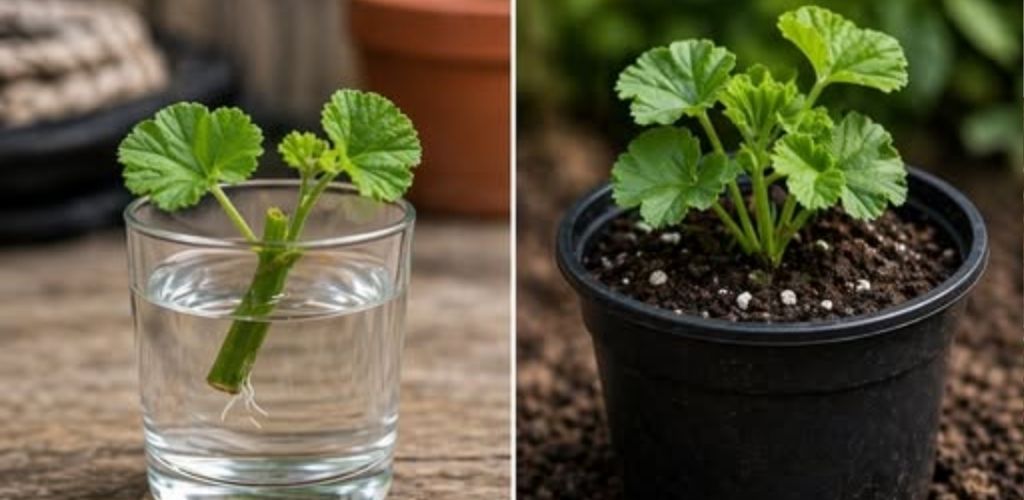
Geranium Care Mistakes to Avoid: What Your Pelargoniums Secretly Hate
Geraniums, scientifically known as pelargoniums, are among the most popular and beloved houseplants in the world, cherished for their hardiness, rich history, and vibrant, long-lasting blooms. Many indoor gardeners choose this brilliant plant because it is famously low-maintenance and adapts beautifully to window boxes, pots, and indoor settings alike. However, even the most resilient and forgiving plant has its own hidden “boundaries”—specific care mistakes that can drastically hurt its health, stunt its growth, and ruin its stunning appearance. If you want to keep your indoor garden flourishing while also learning how to optimize other areas of your home, read our [internal guide for smart ideas on organization and space saving]. Understanding what your geraniums secretly hate is the ultimate key to unlocking a spectacular, year-round floral display.
The Danger of Excess Moisture: Overwatering and Stagnant Water
The absolute fastest way to damage a healthy pelargonium is by giving it too much love in the form of water. Geraniums absolutely detest soggy, constantly waterlogged soil, which suffocates their root systems and creates a breeding ground for destructive fungal diseases like root rot. To prevent this, you must stick to a moderate watering schedule: only drench the plant when the top inch of the soil feels completely dry to the touch.
Hand in hand with overwatering is the dangerous lack of proper drainage inside the pot. Accumulated water pooling at the base of the root ball is incredibly hazardous for geraniums. It is absolutely vital to ensure your containers have functional drainage holes and a solid bottom layer of expanded clay, perlite, or small pebbles so that extra moisture can freely escape. To discover more ways to boost the structural health and natural balance of your home flora, take a look at our [internal guide to proper plant care and home maintenance].
Lighting Secrets: Why Shade Destroys Geranium Blooms
Geraniums are sun-loving creatures that require an abundance of light to fuel their demanding blooming cycles. If you make the mistake of placing your pelargonium in a dark corner or a heavily shaded room, the consequences will show up rapidly. The plant will completely stop producing its signature colorful flower clusters, its growth will become leggy and weak, and its leaves will lose their rich, dark green pigment.
The ideal location for a thriving geranium is a bright windowsill that receives plenty of intense, direct light or high-quality filtered sunlight throughout the day. South- or west-facing windows are typically the best choices for indoor containers. Without adequate sun, the plant simply cannot gather enough energy to sustain its metabolic processes, leaving you with nothing but sparse, pale green foliage.
Temperature Shock, Polluted Air, and the Trap of Frequent Repotting
Sudden temperature shifts and cold indoor drafts are another major reason why geraniums experience stress and decline. These plants originate from warmer climates and are highly sensitive to frost or icy winter winds, so it is best to keep them far away from open windows during the colder months. Pelargoniums thrive best when kept in a stable, warm indoor climate ranging between +18°C and +25°C. Furthermore, they are deeply affected by heavy, dusty, or stagnant indoor air; environments filled with smoke or thick dust particles can cause the leaves to turn yellow and drop off. Regularly ventilate your rooms to keep the air fresh, but ensure the plant is shielded from direct gusts.
Another common mistake enthusiasts make is repotting their geraniums too frequently or using containers that are far too large. Interestingly, pelargoniums actually develop much better and bloom far more aggressively when their roots are slightly restricted in a relatively tight space. Moving them to a massive pot causes them to focus all their energy on root expansion instead of flower production, and it increases the risk of soil waterlogging. You should only upgrade to a slightly larger pot when the roots have completely filled the current container.
Quick Reference: Essential Do’s and Don’ts for Pelargonium Care
To help you remember these critical rules and avoid the most common pitfalls of indoor plant care, we have compiled a handy summary chart for quick reference:
Geranium Care and Prevention Guide
| Plant Hazard Factor | What Geraniums Hate | The Correct Care Solution |
| • Soil Moisture | Constantly wet, waterlogged earth | Water only when the topsoil layer dries out |
| • Pot Drainage | Standing water at the bottom | Add clay pellets or pebbles to the base |
| • Sun Exposure | Dark corners, deep indoor shade | Place on bright, sunlit windowsills |
| • Room Climate | Cold drafts and smoky, dusty air | Maintain +18–25°C and ventilate safely |
| • Potting Space | Massive pots, frequent moving | Keep in snug pots; repot only when rootbound |
While geraniums are not considered overly demanding or finicky feeders, they do require targeted nutrients to produce their show-stopping blooms. During their active spring and summer growth phases, feed your pelargoniums once every two weeks with a balanced, liquid fertilizer designed specifically for flowering plants. Avoid over-fertilizing with nitrogen-heavy formulas, as this will result in massive leaves but zero flowers. By maintaining a mindful watering routine, providing abundant sunlight, and protecting your plants from cold drafts, you will be rewarded with a spectacular explosion of color that will beautify your home for many years to come!