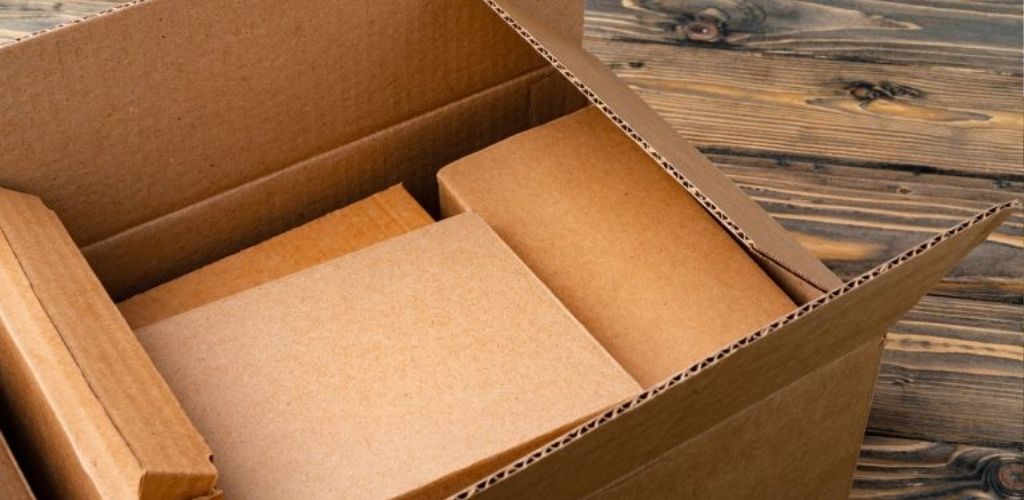
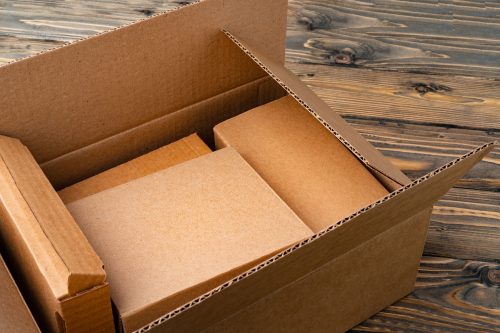
I never thought I’d ever become a regular at the grocery store just for… cardboard. But as soon as the summer cottage season starts, I find myself lugging boxes home again and again. It’s not so much about saving money as it is about strength: unfortunately, that doesn’t increase with age. Why I, an ordinary summer cottage owner, need stacks of cardboard—I’ll tell you now.
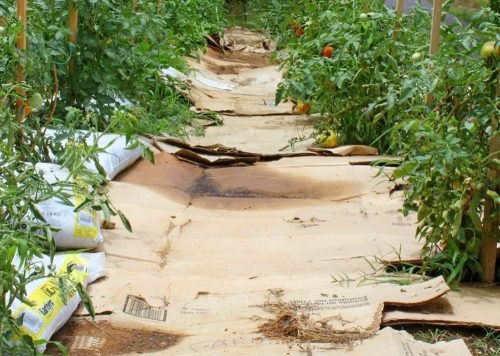
Walking between the garden beds is a real pleasure: after the rain, the paths turn to mud, and then they need mowing. Neither of these things makes me happy. I take a simpler approach: I line the paths with cardboard and walk peacefully on it until it begins to decompose. Then this soggy, earth-rich layer goes into the compost, where it belongs.
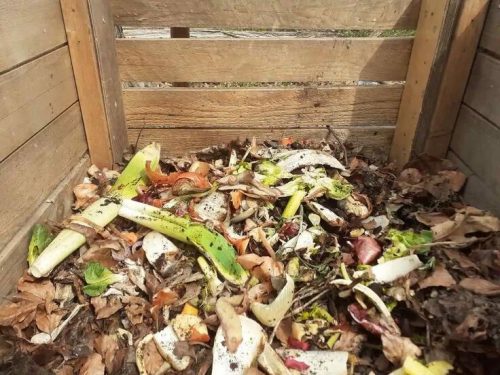
I add all paper and cardboard scraps to the compost pile without a second thought. It’s a great addition to organic matter, helping to recycle waste. Soil microflora, according to biology, also benefits from such a “treat.”
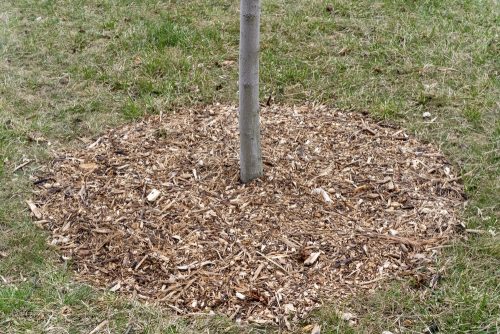
To save time and effort on weeding, loosening the soil, and constantly watering the tree trunks, I create a kind of double protection. First, I lay cardboard on the ground, and then a layer of mulch on top. As long as this layer remains thick, the roots are protected from heat and the vagaries of the weather, and most importantly, even the most vicious couch grass can’t break through this barrier.
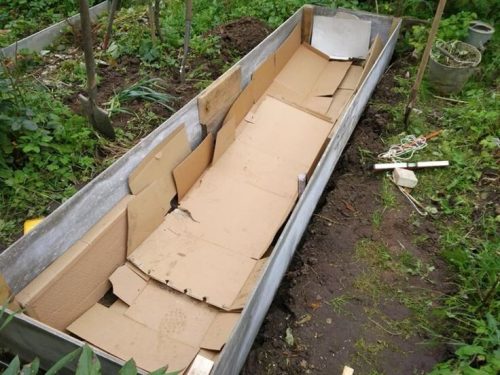
For raised beds, cardboard is absolutely indispensable. Let’s take cucumbers as an example. This crop hates drying out and frequent weeding—its roots are located close to the surface. To avoid both problems, I lay a layer of cardboard on the bottom of the raised bed, then add grass and thin dry branches, and top it with soil. After that, you can plant the seedlings directly or let the mixture settle a bit. In any case, cucumbers grow stronger and produce noticeably more fruit in these conditions.
Of course, slugs or ants can take up residence under the cardboard, but that’s a matter of luck. Luckily, slugs rarely bother me, and ants… well, where wouldn’t they be around the dacha? But I know exactly where to put repellent—all the “residents” are right there in plain sight.
Do you use cardboard in your garden or have you found some other, equally useful use for it?