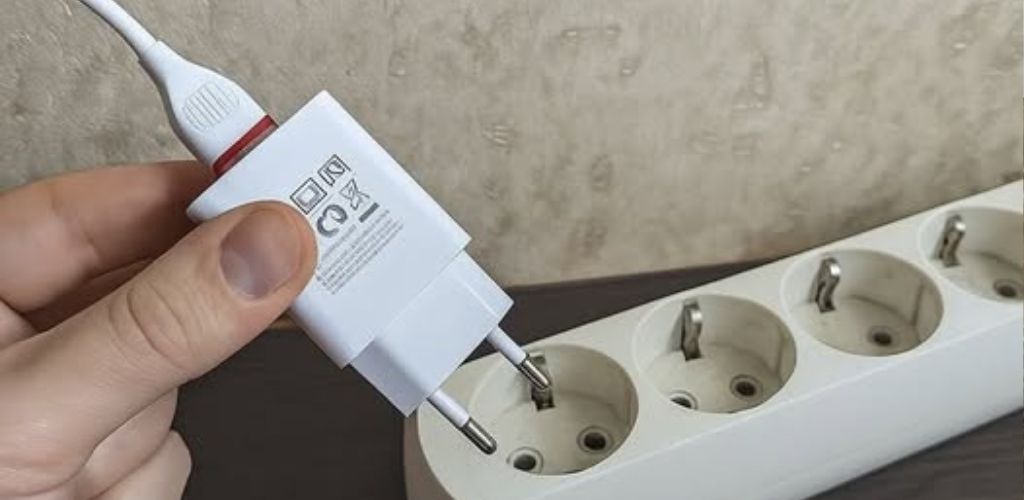
Many people believe that turning off an appliance with a button stops it from consuming electricity. This is a common misconception that can lead to significant increases in electricity bills.
In fact, even in sleep mode, appliances continue to draw electricity. This is especially true for so-called “energy vampires”—devices that, despite being “off,” still draw power unnoticed but consistently. People often underestimate their impact on overall consumption.
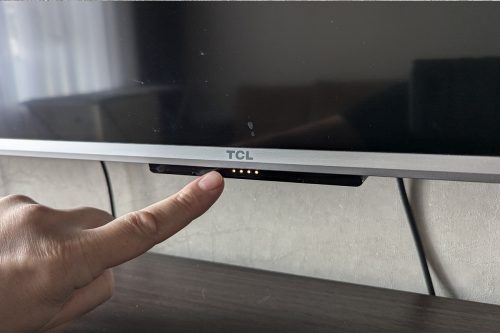
According to various studies, televisions and computers are the biggest energy guzzlers in the home. Together, they can account for up to 28% of monthly consumption.
For example, a typical desktop computer running 5 hours a day uses approximately 20 kWh per month—the same amount as an average TV.
If we talk about powerful equipment, such as gaming computers (up to 80 kWh per month) or large-screen TVs (up to 30 kWh), then the figures become even higher.
One of the most effective ways to save money is to completely unplug such devices when not in use. It’s also a good idea to replace your desktop PC with a laptop—it’s significantly more energy-efficient.
But it’s not just the TV and computer that impact your bills. Other energy-consuming devices worth mentioning include:
The refrigerator. It runs 24/7, and there’s no escaping that. To minimize costs, it’s best to choose energy-efficient models and monitor the internal temperature.
Washing machine. Washing in hot water and with a partial load consumes a lot of energy. Ideally, run the wash cycle on the economy setting and always fill the drum completely.
Hair dryer. Even when used for just one hour a week, it consumes between 2.5 and 5.5 kWh. The best way to save is to use a moderate-power model and dry your hair for shorter periods.
Microwave. Compared to an electric kettle, it consumes almost half the energy.
How to reduce energy consumption:
1. Completely unplug all equipment from the power outlet, especially those that actively draw current even in standby mode.
2. When purchasing, choose household appliances with a high energy efficiency rating.
3. Use appliances wisely: wash clothes and dishes with a full load, and use gentle cycles.
4. Monitor the condition of your equipment: malfunctions can significantly increase energy consumption.
5. Install LED lamps instead of incandescent lamps – they are much more economical.
6. Control the room temperature – this reduces the load on the heating and air conditioning system.
Reducing energy consumption is not only a way to care for the environment, but also a real opportunity to cut costs.
Even small changes in your household habits and a more careful approach to appliances can significantly reduce your electricity bills.