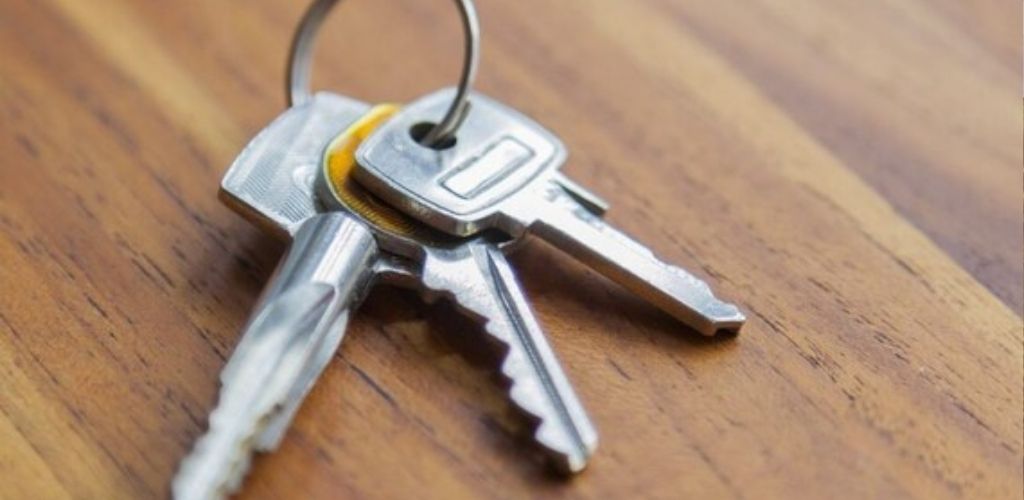
How to Extract a Broken Key from a Door Lock: Practical Methods for Homeowners
A broken key snapped inside a door lock is a highly frustrating household emergency that always seems to happen at the worst possible moment. Whether you are rushing to work or coming home late at night, a jammed lock can completely derail your day. However, before you panic or immediately call an expensive emergency service, it is important to know that you can often resolve this issue yourself. By using the correct mechanical extraction techniques, you can safely retrieve the broken metal fragment in just a few simple steps without causing permanent damage to your door mechanism. If you want to prevent future household emergencies and discover more brilliant ways to optimize your living space, check out our guide on [Practical Guide to Organization and Space Saving].
The Root Causes: Why Keys Snapped and Locks Jam
Understanding why a key snaps inside a cylinder lock is the first step toward preventing this stressful situation from happening again. Over years of daily use, mechanical keys suffer from micro-fractures due to metal fatigue, especially if they are cheap duplicate cuts or are frequently twisted under pressure. Simultaneously, the internal pins, springs, and tumblers of an unmaintained lock cylinder collect dust, grime, and rust, increasing the frictional resistance inside the keyway. When a structurally weakened key is forced against a dry, seized lock mechanism, the metal simply reaches its breaking point and shears off. For those interested in mastering long-term property maintenance, keeping your hardware clean is essential, as we detail in our guide on [Proper Maintenance and Care in the Household].
A Step-by-Step Guide to Safely Removing the Broken Key Fragment
If you find yourself staring at a snapped key shaft buried inside your deadbolt, take a deep breath and follow a systematic extraction process. First, assess the rotational position of the cylinder; the keyway must be in its neutral, vertical position for the internal pins to release the broken fragment. Next, apply a generous amount of a penetrating spray lubricant, such as WD-40 or a specialized graphite spray, directly into the keyhole to minimize friction. If a small portion of the broken metal is protruding, gently grip it with a pair of fine needle-nose pliers or tweezers. If the fragment is buried deeper, slide a thin jigsaw blade or an unbent paperclip into the top of the keyway, hook the key’s teeth, and slowly pull it outward.
Quick Diagnostic Guide: DIY Extraction Methods vs. Professional Help
To help you determine the best course of action based on your specific situation, we have outlined the most effective extraction strategies below:
Broken Key Extraction Strategy Matrix
| Current Scenario | Primary DIY Tool | Success Rate | Immediate Recommended Action |
| • Fragment protruding from cylinder | Tweezers or Needle-nose pliers | Very High (ca. $90\%$) | Lubricate well and pull straight out |
| • Fragment buried deep inside slot | Fine jigsaw blade / Paperclip | Moderate (ca. $50\%$) | Hook the key teeth and slide it out |
| • Key snapped while turned/locked | Screwdriver (to reset cylinder) | Low (ca. $25\%$) | Turn cylinder back to neutral first |
| • Cylinder damaged or jammed completely | None (0% DIY Success) | Dead End | Stop trying and contact a locksmith |
Critical Mistakes to Avoid: Protecting Your Lock Cylinder from Damage
When attempting a DIY key extraction, what you avoid doing is just as critical as the methods you try. Never attempt to insert the remaining broken half of the key back into the lock in hopes of turning it; this reckless action will only push the snapped fragment deeper into the back of the cylinder, making manual extraction nearly impossible. Avoid using crude, oversized tools like bulky kitchen knives or thick screwdrivers, as they can easily warp the delicate internal pin springs or scratch the keyway beyond repair. Lastly, never apply hot glue or superglue to the tip of your tools, as the adhesive inevitably bleeds into the tumblers, permanently gluing the entire lock core shut.
Long-Term Prevention: How to Maintenance Your Hardware and Avoid Future Breaks
Once you have successfully extracted the broken metal piece, taking a few proactive maintenance steps will ensure you never have to deal with this annoying issue again. Get into the habit of lubricating all your exterior door locks at least once every six months using a dry graphite lubricant, which keeps the internal pins moving smoothly without attracting sticky dust. Inspect your everyday house keys regularly and immediately discard any that show signs of bending, twisting, or severe structural wear. Always have your spare keys cut by a certified professional locksmith who uses high-quality brass or steel blanks rather than cheap, brittle metals.
Hello, fellow homeowners, renters, and DIY repair enthusiasts! If these practical mechanical tips helped you successfully extract a jammed key and save money on a professional technician, please support our platform—give this article a big “Like” right now! Every single interaction, like, and positive comment from our amazing community motivates us to keep researching, testing, and writing these helpful, cost-saving guides for you. 💚