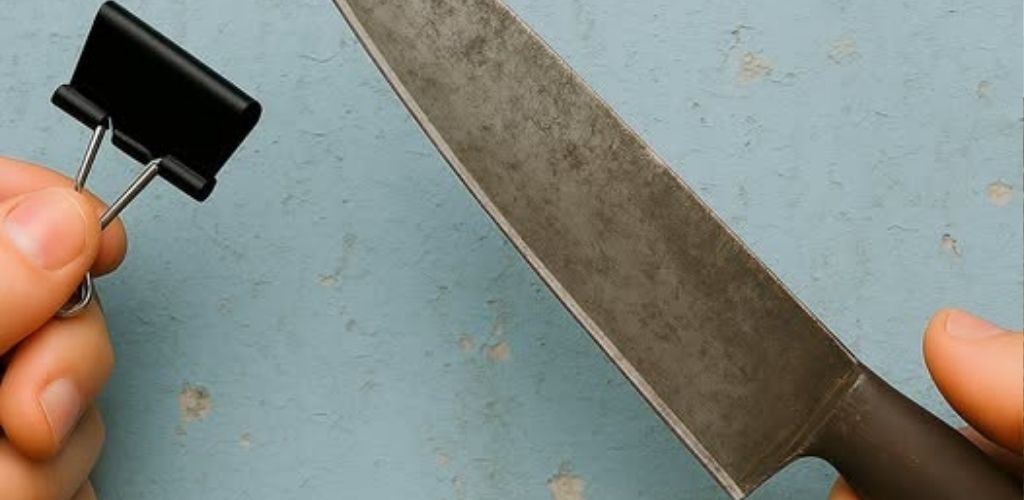
The Ultimate Guide to Knife Sharpening Angles: Precision and Durability
When it comes to sharpening a knife, most people simply think about rubbing the blade against a whetstone or using a honing rod. However, professional chefs and blade experts know that the knife sharpening angle is the single most critical factor that dictates a blade’s sharpness, edge retention, and performance. Understanding the geometric relationship between the blade edge and your sharpening surface will completely transform how your cutlery cuts. Finding the correct edge profile ensures you do not accidentally ruin your expensive kitchen tools or hunting gear. For an extensive look at maintaining your kitchen gear, explore our [Kitchen Tool Maintenance and Care Guide] right here on our website.
The sharpening angle is defined as the specific angle formed between the flat face of the knife blade and the abrasive surface of a whetstone. In technical terms, it represents the angle of the bevel that creates the cutting edge. A highly acute, narrow angle creates an incredibly sharp edge that glides effortlessly through delicate ingredients, though it remains inherently fragile and prone to chipping. Conversely, a wider, obtuse angle yields a highly durable edge capable of chopping through tough materials, though it sacrifices a degree of fine slicing precision. Balancing these two attributes is the key to mastering your blade geometry.
Master Reference Table for Knife Sharpening Angles
| Sharpening Angle (Per Side) | Total Inclusive Angle | Primary Application | Edge Characteristics |
| 10° – 12° | 20° – 24° | Japanese Knives (Sashimi, Yanagiba) | Ultra-sharp, delicate, precision slicing |
| 13° – 15° | 26° – 30° | High-End Asian Kitchen Knives | Exceptionally clean cuts, requires careful handling |
| 17° – 20° | 34° – 40° | Western Chef Knives & Utility Blades | The perfect balance of sharpness and durability |
| 20° – 25° | 40° – 50° | Pocket Knives & Outdoor Camping Gears | Robust edge, highly resistant to rolling |
| 25° – 30° | 50° – 60° | Hunting Knives & Heavy Cleavers | Maximum wear resistance, built for impact |
Choosing the Right Blade Profile for Your Specific Needs
Selecting your ideal angle depends entirely on the culinary tasks or outdoor activities you plan to perform. For authentic Japanese kitchen knives, a narrow angle of 10 to 15 degrees delivers surgical precision perfect for raw fish or fine julienne vegetables. However, these edges will dull or chip rapidly if they strike bones, frozen foods, or hard plastic cutting boards. For standard Western chef knives used in high-volume home or commercial kitchens, an angle of 15 to 20 degrees is highly recommended. This range handles everyday meal prep beautifully, offering great versatility without requiring constant maintenance.
For rugged, heavy-duty applications such as camping, survival, or hunting, you should intentionally angle your edge between 25 and 30 degrees. This creates a thick, resilient wedge shape that easily withstands hacking through branches, splitting thick rope, or processing game without rolling the steel. If you want to dive deeper into outdoor gear preparation, check out our [Outdoor Survival Gear Essentials] section. Matching the correct bevel to the appropriate task is what separates amateur handymen from professional blade smiths.
Essential Sharpening Techniques and Common Mistakes to Avoid
- Utilize a Sharpening Guide: For beginners, using an angle guide clip or a dedicated sharpening system ensures a consistent angle across the entire length of the blade.
- The Finger Wedge Method: If sharpening freehand, you can visualize a 15-degree angle by sliding your index finger underneath the spine of the knife as a spacing benchmark.
- Select the Correct Grit: Use coarse whetstones for repairing damaged edges or profiling wide angles, and ultra-fine grit stones for maintaining acute, polished edges.
- Maintain Uniform Pressure: Applying excessive force can warp the delicate bevel, create a massive burr, or completely alter your intended angle.
One of the most frequent mistakes amateur sharpeners make is attempting to sharpen by eye without keeping their wrists locked. This lack of control produces a rounded, inconsistent edge that feels dull despite hours of hard work. Additionally, trying to drastically re-profile a knife away from its factory specifications can compromise the structural integrity of the steel and lower its slicing efficiency. Remember, there is no single “perfect” universal angle; the best profile is always determined by how you use your tool. An acute edge provides a beautiful, clean slice, but if you need an enduring workhorse, choose a broader bevel.
Did this guide help you discover the correct sharpening angle for your favorite knife? If you want to master more practical DIY maintenance skills, expert kitchen secrets, and smart home hacks, don’t miss a single update from us! Please subscribe to our page right now, hit that like button, and share this article with your friends, family, and fellow cooking enthusiasts on social media! Let us know your preferred sharpening methods in the comments below!