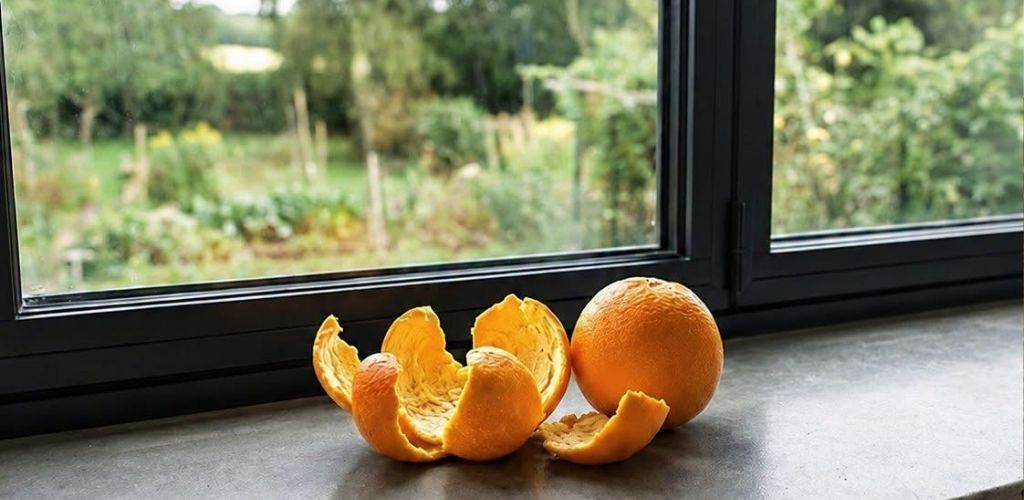
Every time you peel a tangerine and throw the peel away, you’re discarding one of the most versatile natural resources you can have in your kitchen. Far from being mere waste, those peels contain essential oils, antimicrobial properties, and a citrus aroma capable of transforming the atmosphere of your home without the need to spend money on chemical-laden, industrial air fresheners.
If you’re interested in homemade, eco-friendly, and economical solutions, this natural resource deserves a place in your daily routine. We’ll tell you why tangerine peels are so powerful and how to make the most of them.
Why tangerine peels are so useful
Before moving on to the practical tips, it’s worth understanding what makes these shells special:
- Natural essential oils: They are rich in limonene, a compound responsible for the characteristic fresh aroma of citrus fruits, which also helps to repel ants and spiders.
- Antimicrobial properties: Citrus oils have a mild antibacterial and antifungal effect, ideal for refreshing frequently used surfaces.
- Biodegradable and non-toxic: unlike many commercial flavorings, the peels decompose naturally and do not release harmful volatile compounds into the air.
- Zero cost: they are a material you were going to discard, so any additional use is pure gain.
The classic trick: peels on the windowsill
One of the simplest and most effective techniques is to place the peels on a sunny windowsill. The sun gently warms the peels and releases their essential oils into the air, without the need for electricity or candles.
How to do it step by step
- Peel carefully: try to keep the peel in large pieces or halves, as this prolongs the release of the aroma.
- Place them in the sun: put the shells in windows that receive direct sunlight to enhance the effect.
- Replace frequently: after 2 or 3 days, the peels dry out and lose potency. Replace them with fresh ones.
- Compost the old ones: once dry, add them to your composter so they decompose and provide nutrients to the soil.
If you don’t have sunny windows, you can place the shells near a radiator or heating outlet, always at a safe distance.
10 additional uses for tangerine peels
1. Homemade multipurpose cleaner
Fill a jar with peels and cover them with white vinegar. Let it macerate for two weeks, strain, and dilute with equal parts water in a spray bottle. You’ll have a powerful cleaner with a citrus scent.
2. Deodorizer for the garbage disposal
Add a few small pieces while running cold water and turn it on for 10 to 15 seconds. The oils deodorize the blades and the drain.
3. Natural fire starters
Let the husks dry until they are brittle. They make ideal firewood for fireplaces or campfires, as they ignite quickly and give off a pleasant aroma.
4. Refrigerator deodorant
Place a bowl of fresh or dried peels at the back of the refrigerator. They absorb odors even better than baking soda and leave a fresh fragrance.
5. Shoe deodorant
I put dried eggshells inside smelly shoes overnight. They absorb moisture and neutralize odors.
6. Natural pest repellent
Rub fresh peels on window frames, doors, and baseboards. The citrus scent disrupts ant pheromone trails and repels spiders.
7. Bathtub cleaner
Sprinkle salt on the inside of a fresh peel and use it to scrub away soap scum or dirt in the bathtub. The acidity dissolves the grime, and the salt acts as a mild abrasive.
8. Homemade aromatic pot
Simmer peels with cinnamon sticks, cloves, or vanilla extract over low heat. The steam will naturally perfume the whole house.
9. Compost Accelerator
Cut the peels into small pieces before adding them to the compost. They provide nitrogen and nutrients, but don’t add too much to avoid altering the compost’s acidity.
10. Candied shells
Boil them in syrup until tender, then coat them in sugar. They are a delicious treat and an elegant decoration for cakes or cocktails.
An important note about pesticides
Since you’re going to use the peel, it’s important to consider how the fruit was grown:
- Choose organic tangerines whenever possible to avoid pesticide residues.
- Wash the fruit thoroughly with warm water and a brush before peeling if it is conventionally grown. This is especially important for edible uses such as candied peels.
Conclusion: a small gesture with big benefits
Tangerine peels are a versatile, zero-waste resource that can simplify your cleaning routine, freshen your home, and even add a gourmet touch to your desserts. By giving them a second life, you not only save money but also choose a healthier and more sustainable lifestyle.
The next time you peel a tangerine, pause before discarding the peel. That little piece of orange gold still has a lot to offer. Which of these tricks will you try first?