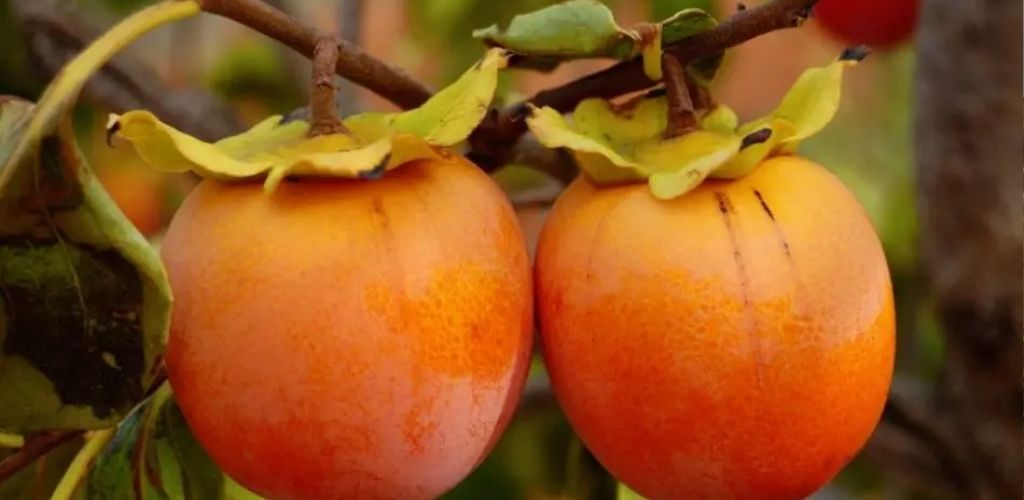
Persimmons (Diospyros spp.) impress year-round with their magnificent foliage and bright orange autumn fruits, adding vibrant splashes of color to the otherwise rather monotonous late season. There are over 400 species of persimmon, but only a few are regularly cultivated, including the Virginia persimmon (Diospyros virginiana) and the Japanese persimmon (Diospyros kaki). Both can be easily grown from seed, although propagation can sometimes be a bit tricky, especially if you want to cultivate a specific variety or cultivar.
Tips for growing persimmons from seed
Common persimmons are considerably more difficult to cultivate than Japanese persimmons.
Most persimmons planted in gardens and parks are special varieties, such as ‘Miller’ (Diospyros virginiana ‘Miller’) and ‘Fuyu’ (Diospyros kaki ‘Fuyu’). These have been bred for their specific characteristics and must be propagated vegetatively by cuttings or grafting to maintain their qualities. Trees grown from seed may not produce the same quality or quantity of fruit, and their winter hardiness and disease resistance can also vary. Nevertheless, it is possible to obtain a tree with tasty fruit and the same attractive appearance as other persimmon trees.
Harvest of persimmon seeds
Persimmon seeds germinate best when fresh. Therefore, collect them in autumn as soon as the fruit begins to soften. Use only fully ripe persimmons without bird damage, blemishes, or green skin. After cutting open the fruit, remove a few seeds and soak them in warm water for a few days to loosen any clinging pulp. Gently rub the persimmon seeds under running water to clean them. You can sow the seeds immediately or store them in a cool, dry place until they germinate.
Seed treatment
Persimmon seeds require a period of cold to germinate. This cold process, also called cold stratification, mimics the natural overwintering of seeds outdoors. Wrap the seeds in moistened sphagnum moss or a paper towel and place them in a plastic bag or glass jar in the refrigerator for two to three months. If the moss or paper towel dries out, lightly mist it with water to keep the persimmon seeds moist.
Samenkeimung
Persimmon seedlings initially develop a long taproot. Therefore, they should be started in large plastic pots that allow undisturbed root development. Sow one seed per pot in sterile potting soil, ensuring the pot has drainage holes in the bottom. Plant the seeds 5 cm deep and place the pots in a warm, bright location. If daytime temperatures remain below 21°C, you can warm the pots with a heat mat. Small persimmon seedlings should appear in six to eight weeks.

Germination tips:
Persimmon seeds have a relatively low germination rate of 25 to 35 percent. Therefore, start with several seeds to increase your chances of success.
Seedling care
Direct sunlight and consistently moist soil provide the best conditions for persimmon seedlings. In spring, place them in a sheltered spot outdoors and then gradually acclimate them to more intense sunlight over one to two weeks. Water the seedlings weekly, but allow the top layer of soil to dry out slightly between waterings to ensure healthy root growth.
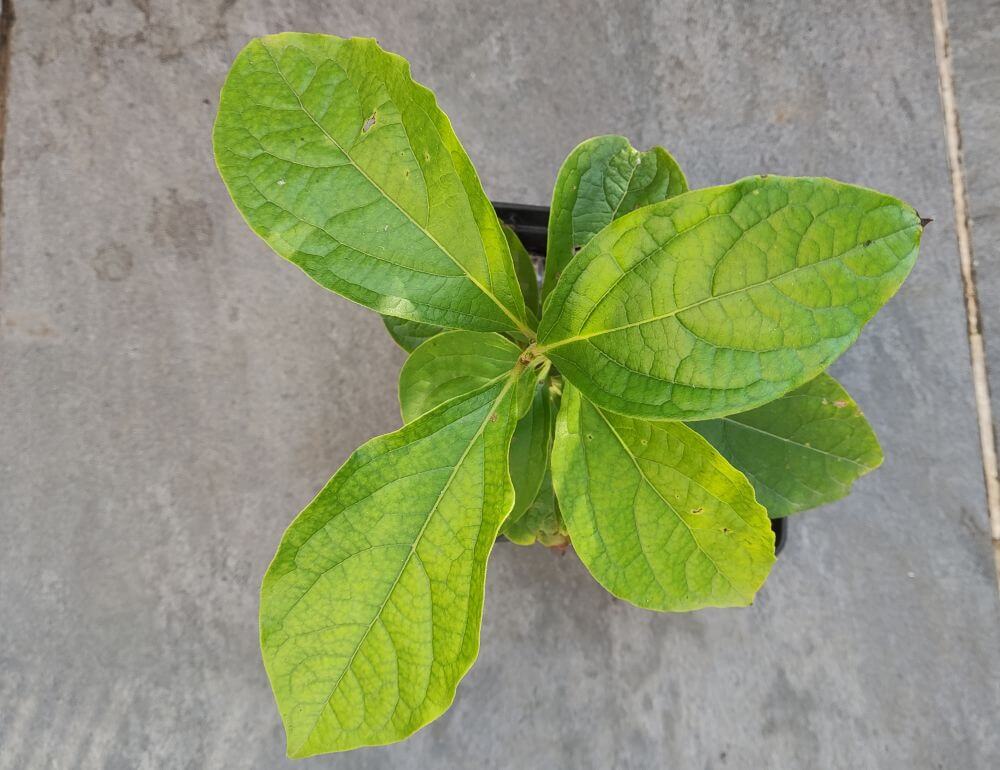
Transplantation and growth monitoring
Due to their long taproot, persimmon seedlings should only be planted after their first full year of growth, ideally in autumn after the first rains. Choose a planting site with at least 0.2 square meters per persimmon tree to ensure sufficient space for growth. Persimmon trees tolerate most soil types but do not thrive in very saline soils. Generally, they require little care and no special fertilizer to produce a bountiful harvest. However, it can take three to five years for persimmons to bear fruit; patience is therefore required.
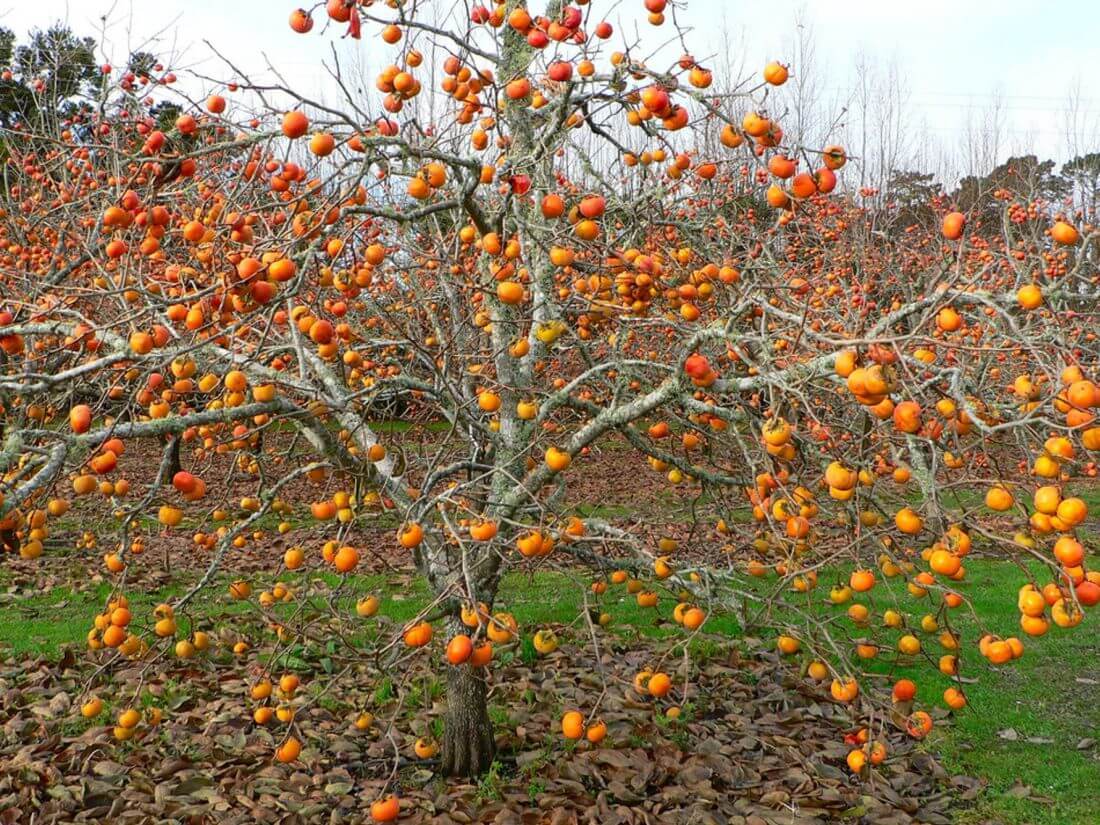
One last tip for caring for your persimmon tree:
Spread a thick layer of mulch around the base of the trunk to keep the soil moist and make it easier to collect fallen fruit.