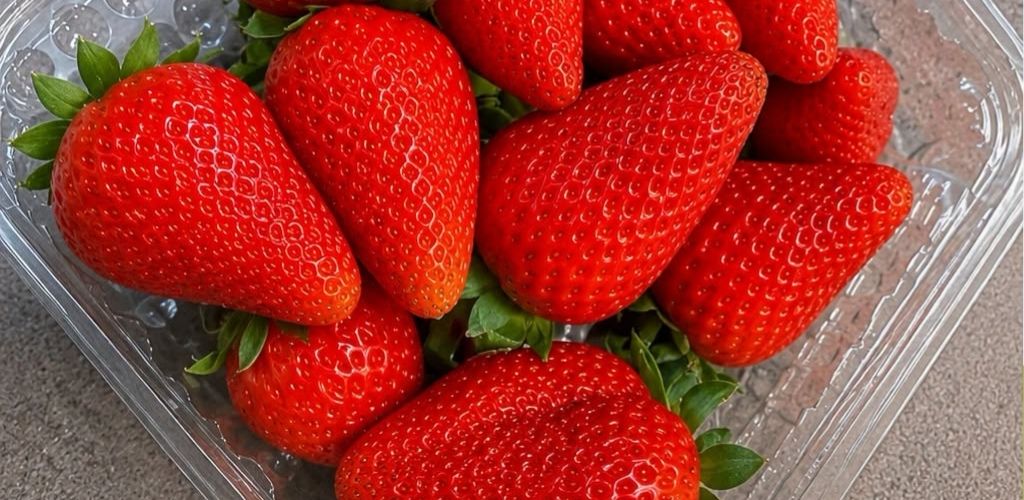
Few fruits are as appealing as fresh strawberries, but their short shelf life often becomes a problem. It’s common to buy a box and, just two or three days later, find several moldy or mushy strawberries. The good news is that with some simple storage techniques, it’s possible to extend their freshness for up to a week, and even longer if long-term preservation methods are used.
Why do strawberries spoil so quickly
Before applying any tricks, it’s important to understand why this fruit is so delicate. There are three main factors that explain its rapid spoilage:
- High moisture content: excess water on its surface promotes the appearance of mold.
- Thin and delicate skin: they are easily bumped and bruised, which accelerates decomposition.
- Sensitivity to ethylene: they ripen and spoil quickly when stored near fruits that release this gas, such as bananas and apples.
7 strategies to keep strawberries fresh longer
1. Do not wash them until you are ready to eat them.
Water left on the surface is one of strawberries’ biggest enemies, as it accelerates mold growth. Ideally, rinse them right before eating, using cold water. For extra hygiene, you can add a splash of white vinegar to eliminate bacteria.
2. Use a dry, breathable container
Ventilation and the absence of humidity are key. To achieve this:
- Line a shallow container with kitchen paper to absorb moisture.
- Choose containers with ventilation holes or leave the lid slightly open.
- Avoid sealed plastic bags, as they trap moisture and promote mold growth.
3. Refrigerate them at the appropriate temperature
The refrigerator is a great ally, as long as it’s used correctly. It’s best to store strawberries in the vegetable drawer, where the ideal temperature is between 0 and 2 °C. Avoid placing them in the coldest part of the refrigerator, usually at the back, because they can suffer damage from partial freezing.
4. Freeze them for long-term preservation
If you know you won’t eat them within a week, freezing them is the best option. The procedure is simple:
- Wash them carefully and dry them completely.
- Remove the green stem.
- Arrange them on a baking sheet, separated from each other, and put them in the freezer.
- Once frozen, transfer them to a freezer-safe bag or container.
This way they can last for more than six months and are ideal for smoothies, sauces or baking preparations.
5. Keep them whole, never cut.
Cutting strawberries releases their juices, creating the perfect environment for mold to grow. Always store them whole and only cut them when you’re ready to use them.
6. Remove damaged parts every day
A single bad strawberry can ruin the rest of the container. That’s why it’s recommended to check the container daily and immediately discard any soft, bruised, or moldy strawberries.
7. Try a vinegar bath to eliminate the spores
This trick can add several days to the shelf life of strawberries. How to do it:
- Prepare a mixture with 1 part white vinegar and 3 parts water.
- Submerge the strawberries for 5 minutes.
- Rinse them well with clean water.
- Dry them completely before storing them in a ventilated container in the refrigerator.
Vinegar works by eliminating mold spores and bacteria present on the surface, two of the main culprits behind accelerated deterioration.
How long do strawberries last depending on the preservation method?
- At room temperature: between 1 and 2 days.
- In the refrigerator, well dried: between 5 and 7 days.
- In the freezer, properly stored: 6 months or more.
Bonus tip: how to revive wilted strawberries
If you notice your strawberries have started to soften or lose their firmness, don’t throw them away just yet. Submerge them in a bowl of ice water for 10 to 15 minutes. This simple step can restore some of their texture and make them more pleasant to eat fresh.
Conclusion
Although strawberries are a delicate fruit, they don’t have to end up in the trash a few days after you buy them. By following these simple tips—especially avoiding unnecessary moisture, using containers that allow air circulation, and trying a vinegar bath—you’ll be able to enjoy them fresh, juicy, and delicious for much longer. Small changes in how you store them can make a big difference, both in their flavor and in your savings at the end of the month.