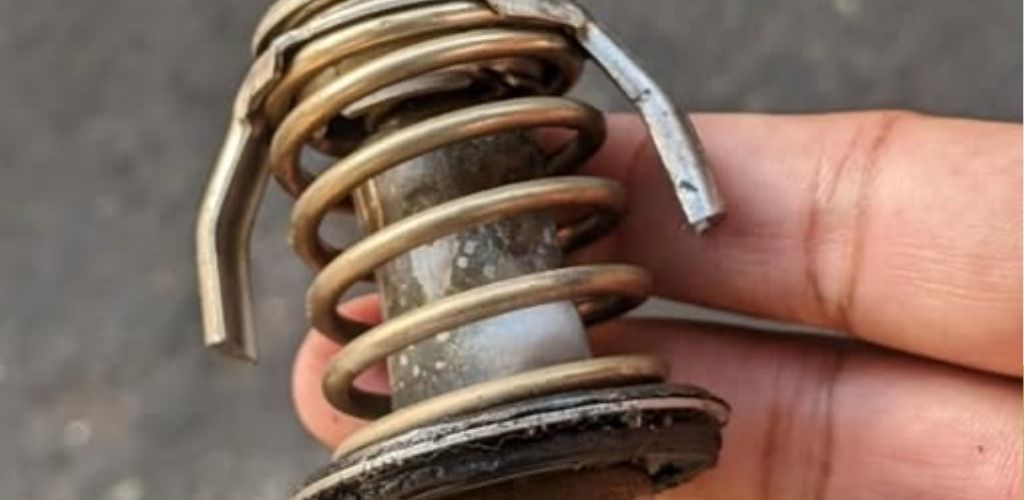
If you have a faulty thermostat, it’s best to replace it as soon as possible. A defective thermostat can cause several problems with your vehicle’s engine, such as engine overheating, inefficient fuel consumption, or even more serious long-term damage. Here are some options you can consider:
1. Replace the damaged thermostat
- Immediate replacement: The best option is always to replace the faulty thermostat with a new one that is suitable for your vehicle. This component is not expensive and is generally easy to replace.
- Steps to replace it:
- Turn off the engine and wait for it to cool down.
- Drain the coolant from the cooling system.
- Locate the thermostat (usually near the radiator).
- Remove the thermostat hoses.
- Remove the old thermostat and install a new one.
- Reassemble the hoses, fill the coolant system, and check for leaks.
- Steps to replace it:
2. Test the thermostat (if you are not sure it is faulty)
If you’re not completely sure the thermostat is faulty, you can do a basic test:
- Temperature test: If the engine does not reach the ideal operating temperature or the temperature gauge fluctuates, it could be a sign that the thermostat is stuck in an open or closed position.
- Testing the thermostat outside the vehicle: You can remove the thermostat and place it in hot water (around 85-90°C). A good thermostat should open at this temperature. If it doesn’t open, it’s a clear indication that it’s faulty.
3. Driving without a thermostat (temporary solution)
- If you can’t replace the thermostat immediately, some people choose to remove the thermostat and drive temporarily without it, but this is not recommended as a long-term solution.
- Disadvantages:
- The engine will not reach its ideal operating temperature, which will affect fuel efficiency and increase engine wear.
- Higher emissions of pollutants and worse engine performance.
- Use this solution only as a temporary measure until you can replace the thermostat.
4. Repair the thermostat (not recommended)
- Although some people attempt to repair a faulty thermostat, this is not a reliable solution. Thermostats are designed to be fully functional or replaced.
- Problems with the repair:
- It is not guaranteed to work properly after repair.
- The thermostat is exposed to high temperatures, so any homemade repair will not withstand those conditions.
5. Consult a professional mechanic
If you’re not comfortable performing the replacement yourself or if you’re unsure of the exact problem, it’s best to consult a mechanic. They can efficiently diagnose and replace the thermostat, as well as check that the entire cooling system is in good working order.