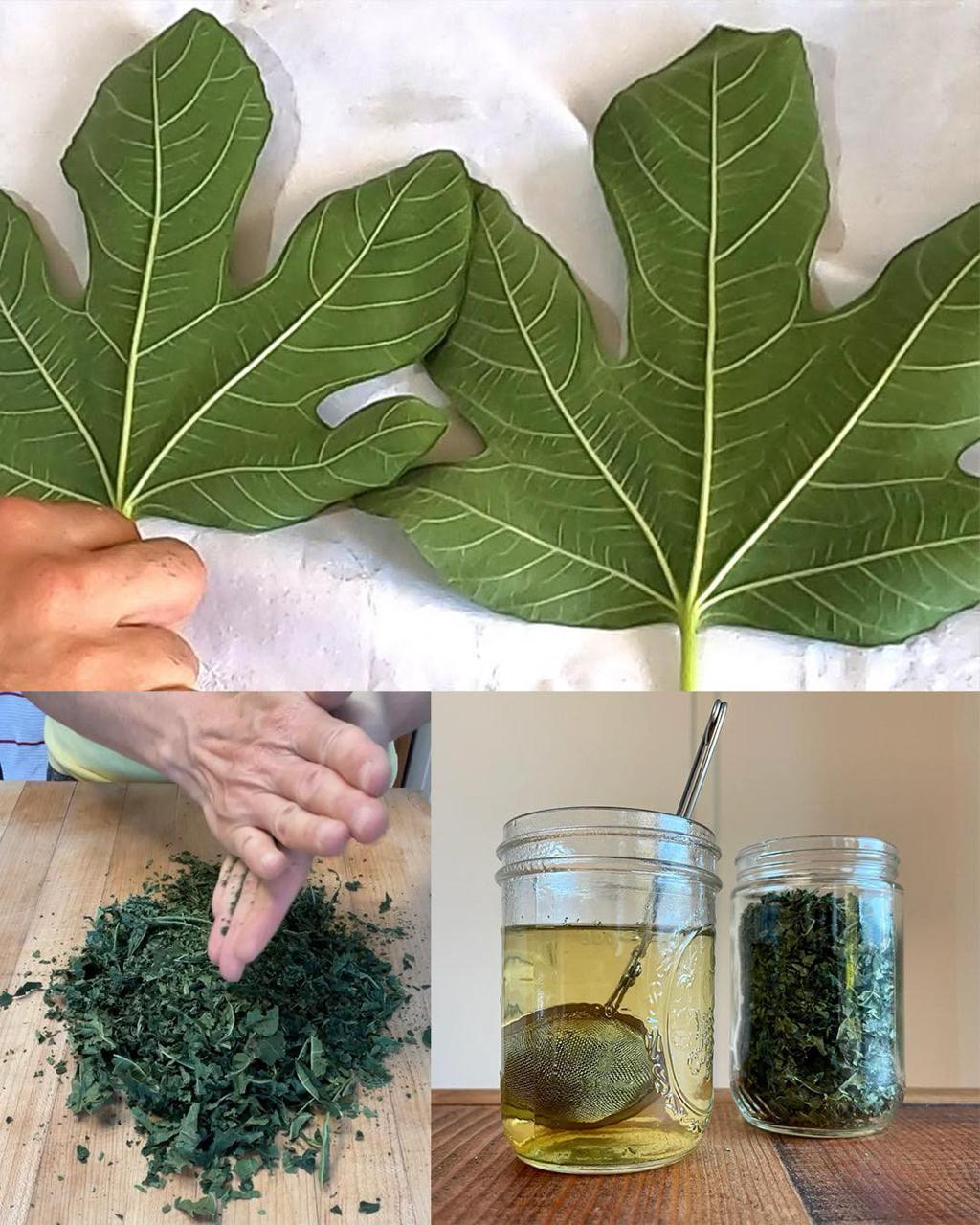
Harnessing the Power of Fig Leaves: A Natural Remedy with Potential, But More Research Needed
Fig leaves, the broad green appendages that grace fig trees, have been used in traditional medicine for centuries. Recent studies are exploring their potential health benefits, including blood sugar management for people with diabetes. However, it’s important to understand the current state of research and approach fig leaves with a measured perspective.
Potential Benefits:
- Blood Sugar Management: Some studies suggest fig leaf extracts may have properties that help regulate blood sugar levels. These properties might include inhibiting the enzyme alpha-amylase, which breaks down carbohydrates in the gut, and improving insulin sensitivity. However, more research is needed to confirm these effects in humans and determine appropriate dosages.
Important Considerations:
- Limited Research: While initial studies show promise, fig leaves are not a proven treatment for diabetes. They should not be used as a substitute for prescribed medications or a healthy diet and exercise plan.
- Safety and Dosage: Large-scale clinical trials are needed to establish the safety and optimal dosage of fig leaves for blood sugar management. Consulting a healthcare professional before using fig leaves is crucial, especially if you have diabetes or other health conditions.
- Potential Side Effects: More research is needed to determine the potential side effects of fig leaf consumption.
Traditional Uses:
Beyond blood sugar management, fig leaves have been used traditionally for various purposes, including:
- Skin conditions: Poultices made from fig leaves have been used to soothe irritations and promote healing.
- Digestive issues: Fig leaves may possess anti-inflammatory properties that could aid digestion. However, more research is needed.
- Wound healing: The antibacterial properties of fig leaves might be beneficial for wound healing, but scientific evidence is limited.
Future Research:
Ongoing research holds promise for unlocking the full potential of fig leaves. However, it’s important to rely on established medical advice for managing diabetes or other health conditions.
Conclusion:
Fig leaves offer an intriguing area for scientific exploration regarding potential health benefits. While some studies suggest promise for blood sugar management in diabetes, more research is necessary. If you’re interested in incorporating fig leaves into your routine, consult a healthcare professional first, especially if you have any underlying health conditions.