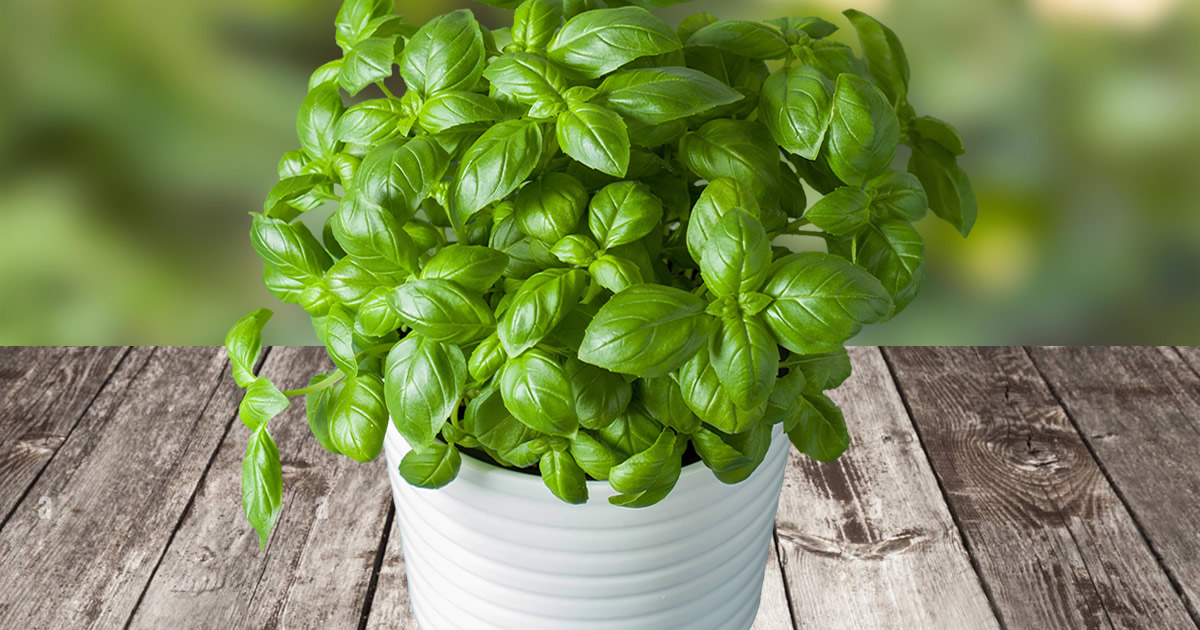
Basil is one of the most loved aromatic plants in the kitchen, thanks to its intense aroma and unique flavour. Being able to grow this plant directly at home, all year round, is a dream for many cooking enthusiasts.
Fortunately, with the right tricks and precautions, it is possible to grow basil even in limited spaces and in any season. Here are some practical tips for success in growing basil at home.
Choice of variety
Before starting, it is important to choose the variety of basil best suited to your needs and the environmental conditions of your home. Some common varieties include Genoese basil, Greek basil, Thai basil, and purple basil. Each of these varieties has distinctive characteristics of aroma, flavor and resistance to environmental conditions.
Pot selection
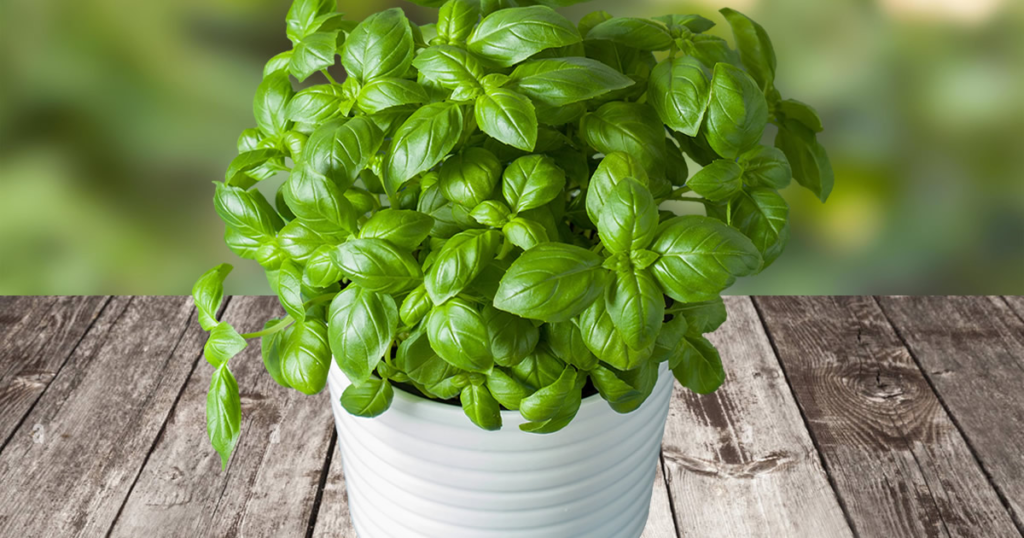
Basil can be grown successfully in pots, containers or window boxes. Make sure the container has drainage holes in the bottom to avoid waterlogging, which can damage the plant’s roots. Also, make sure the container is large enough for roots to develop and has enough room for the plant to grow.
Positioning and light
Basil loves direct sunlight, so be sure to place the pot in a location where it receives at least 6-8 hours of sunlight per day. If you do not have a sufficient amount of natural light, you can supplement with full spectrum LED lamps to ensure optimal plant growth.
Temperature and humidity
Basil thrives in moderate temperature conditions, preferably between 18°C and 25°C. Avoid exposing the plant to drafts or extreme temperatures, as this may damage the leaves and impair the plant’s growth. Also maintain an adequate humidity level, preferably around 50-70%, by regularly spraying water or using a humidifier.
Irrigation
Basil needs an adequate amount of water to grow healthy and vigorous, but it is important to avoid waterlogging in the soil. Water the plant only when the soil feels slightly dry to the touch, avoiding excessively wetting the leaves to prevent fungal diseases. Use room temperature water and avoid using chlorinated water, which could damage the plant’s roots.
Fertilization
To encourage vigorous growth and abundant leaf production, it is advisable to fertilize basil every 2-4 weeks with a balanced liquid fertilizer, diluted according to the instructions on the product label. Avoid overfertilizing the plant, as this may burn the roots and damage the plant.
Pruning
Regular pruning of basil is essential to promote branching of the plant and to extend its lifespan. Remove mature leaves and inflorescences as soon as they begin to form, to encourage the growth of new shoots and fresh leaves. Always use sharp, clean scissors to avoid damage to the plant and prevent the spread of disease.
Protection from pests and diseases
Carefully monitor the plant to promptly identify the presence of parasites, such as aphids or red spiders, and diseases, such as mold or root rot. Use natural remedies, such as neem oil-based insecticides or insecticidal soap, to control pests and ensure healthy plant growth. In case of serious infestations or diseases, it is advisable to remove and destroy the infected parts of the plant to prevent spread to other specimens.
Growing basil indoors year-round can be a rewarding culinary experience and a way to have an important fresh herb available at any time. By following these simple tips and tricks, you can get a bountiful, tasty harvest of basil straight from your own kitchen.