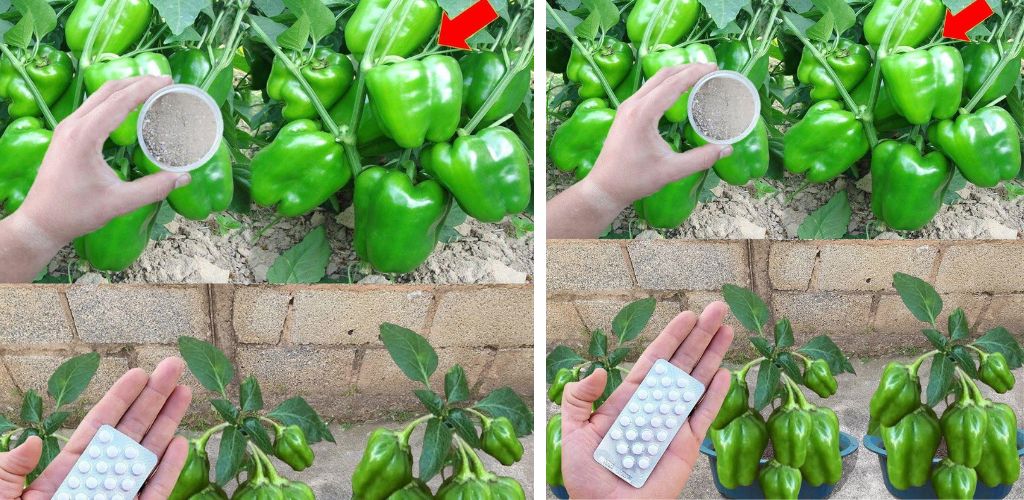
Peppers are a popular and versatile vegetable that can be grown in your garden to add color, flavor, and heat to your meals. Whether you’re an experienced gardener or a beginner, here are 12 secrets to successfully growing peppers in your garden.
Choose the Right Pepper Variety: Peppers come in many different varieties, each with their own unique characteristics. Consider factors such as the size, color, flavor, and heat level of the peppers you want to grow, as well as the climate in your area, to choose the right variety for your garden.
Start with healthy seedlings: If you are starting peppers from seed, be sure to use high-quality seeds from a reliable source. Sow the seeds indoors in seed trays or pots about 6 to 8 weeks before the last expected frost date in your area, and transplant the seedlings to your garden when they are 6 to 8 inches tall and have a strong root system.
Provide plenty of sunlight: Peppers need plenty of sunlight to thrive, so choose a sunny spot in your garden that receives at least 6-8 hours of direct sunlight per day. Avoid planting peppers in shady areas or near tall trees or buildings that may block sunlight.
Prepare the Soil: Peppers prefer fertile, well-drained soil with a pH level between 6.0 and 7.0. Before planting, amend your soil with organic matter such as compost, aged manure or peat moss to improve its fertility, structure and moisture retention.
Space Them Properly: Pepper plants need adequate space to grow and develop healthy roots. Plant them 18 to 24 inches apart in rows that are 24 to 36 inches apart, depending on the variety.
Mulch to Retain Moisture: Mulch around pepper plants can help retain moisture in the soil, suppress weeds, and regulate soil temperature. Use organic mulch such as straw, wood chips, or leaves, and apply a layer about 2 to 3 inches thick around the base of the plants, leaving a small space around the stem to prevent rot.
Water regularly: Peppers need constant moisture to grow, so water them regularly, keeping the soil evenly moist but not soggy. Avoid overhead watering as it can increase the risk of disease. Instead, water at the base of the plants, preferably in the morning, to allow the foliage to dry before nightfall.
Fertilize properly: Peppers are heavy feeders and require regular fertilization to produce abundant fruit. Use a balanced all-purpose fertilizer or a fertilizer formulated specifically for peppers, and follow the manufacturer’s instructions for application rates and timing.
Provide support for taller varieties: Some pepper varieties, such as bell peppers, can grow quite tall and may require support to prevent them from bending or breaking under the weight of their fruits. Use stakes, cages or trellises to provide support and keep plants upright.
Prune for bushier growth: Pruning can help promote bushier growth and increase the yield of peppers. Pinch branch tips when plants are 12 to 18 inches tall to encourage branching and increased flower and fruit production. Also, remove any yellowed or diseased leaves to prevent the spread of disease.
Beware of Pests and Diseases: Peppers can be susceptible to various pests and diseases, such as aphids, mites, whiteflies, fungal diseases, and bacterial diseases. Monitor your plants closely and take action immediately if you notice any signs of infestation or disease, such as yellowing leaves, wilting, or spots on foliage. Use organic or chemical controls as necessary, and practice good garden hygiene to prevent the spread of disease.
Harvest at the right time: Harvest time is crucial for peppers. Most peppers start out green and eventually mature to their final color, which can be red, yellow, orange, or other shades depending on the variety. Peppers can be harvested at any stage, but for the best flavor and nutritional value, it is recommended to wait until they are fully ripe. Use a sharp pair of scissors or pruning shears to cut the peppers from the plant, leaving a short stem attached.
Store Peppers Properly: Once harvested, peppers can be stored in the refrigerator for up to 1 to 2 weeks, depending on the variety. Store them in a plastic bag or airtight container to help preserve their freshness. Alternatively, you can also freeze peppers for later use by washing, chopping, and blanching them before placing them in airtight containers or freezer bags.
Rotate your pepper crops: To prevent disease and maintain healthy soil, it is important to practice crop rotation. Avoid planting peppers in the same location or any other plants in the nightshade family (such as tomatoes, potatoes, and eggplants) for at least 3 years. This helps break the pest and disease cycle and keeps the soil balanced.
Pay attention to pollination: Peppers are generally self-pollinating, but they can benefit from pollinators like bees and other beneficial insects. To ensure proper pollination, avoid using pesticides that can harm pollinators and provide flowering plants nearby to attract them to your garden.
Protect yourself from extreme weather: Peppers are sensitive to extreme weather conditions, such as frost, high winds, and heavy rain. Provide protection during adverse weather by covering plants with cloth, blankets or plastic sheeting. Avoid using plastic directly on foliage to avoid condensation damage.
Use companion crops: Companion crops are a natural, eco-friendly way to deter pests, attract beneficial insects, and improve pepper growth. Some good companion plants for peppers are basil, marjoram, oregano, parsley, and tomatoes.
Practice good garden hygiene: Maintaining a clean and tidy garden can help prevent the spread of diseases and pests. Remove any debris, fallen leaves, or decaying plant material from around your pepper plants. Also, practice proper sanitation by cleaning your tools, pots, and containers to avoid cross-contamination.
Be patient and observant: Growing peppers takes time and patience. Be observant and regularly inspect your plants for signs of problems such as pests, diseases, or nutrient deficiencies. Address any problems immediately to ensure the health and vigor of your pepper plants. Experiment and have fun: Finally, don’t be afraid to experiment and have fun growing peppers in your garden. Try different varieties, planting techniques, and growing methods to see what works best for your garden and personal preferences. Gardening is a continuous learning process, so enjoy the journey and celebrate successes along the way!