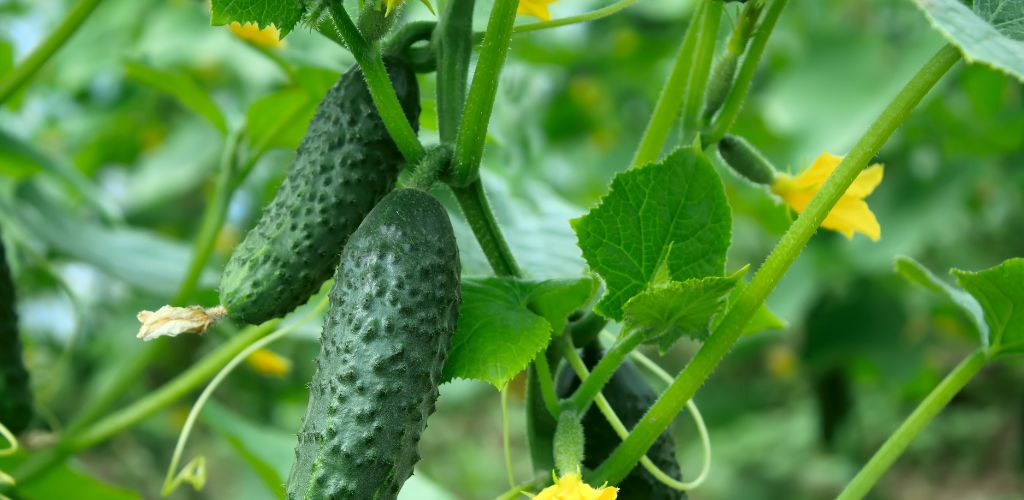
Rice fertilizer for cucumbers: Recipe and tips
Feeding cucumbers with rice infusion is a simple, economical and environmentally friendly way to stimulate their growth and fruiting. Here is the recipe and tips for its preparation and use:
Ingredients:
1 cup (200 g) of rice (not parboiled)
5 liters of water
Optional: a handful of sugar (optional)
Preparation:
Rinse the rice with cold water.
Pour 5 liters of warm water over the rice.
Add sugar (optional).
Cover the container with a lid and leave to infuse in a warm place for 5-7 days.
Strain the infusion, removing the rice.
Dilute the infusion with clean water in a ratio of 1:10 before use.
Application:
Water cucumbers with rice infusion under the root in the morning after rain or watering.
Use 0.5-1 liter of solution per plant.
Apply fertilizer every 10-14 days during the growing season.
Advice:
For the best effect, use fresh, high-quality rice.
Do not prepare too much infusion at one time, because it can turn sour quickly.
Store the infusion in a cool, dark place.
Do not overfeed the plants with fertilizer, so as not to harm them.
Advantages of using rice infusion:
Availability and economy
Environmentally friendly product
Stimulates the growth and fruiting of cucumbers
Strengthens plant immunity
Improves soil quality
Reservation:
Do not use for watering cucumber seedlings.
Not suitable for acidic soils.
It is not recommended to use together with chemical fertilizers.
Summarizing:
Rice fertilizer is a great way to take care of your cucumbers and get a bountiful harvest. By following simple recipes and tips, you can provide your plants with the necessary nutrients, stimulating their growth and fruiting.
The Endless Cucumber Trick: Fact or Folklore?
The internet is full of gardening hacks, and one circulating claim suggests pouring something “under” your cucumber plants leads to endless harvests. But before you grab that mystery ingredient, let’s separate fact from folklore.
The Unrealistic Promise
The idea of infinitely growing cucumbers is simply not achievable. All plants have a finite lifespan and fruit production cycle. Cucumber plants, in particular, are determinate growers, meaning they produce a set amount of fruit before flowering stops. No magic potion can alter this biological reality.
Understanding Cucumber Growth
Cucumbers thrive with proper care. Here are some key factors that truly influence cucumber yield:
- Sunlight: Cucumbers need at least 6-8 hours of direct sunlight daily.
- Water: Consistent, moderate watering is crucial. Overwatering can lead to root rot.
- Soil: Well-draining, fertile soil amended with compost provides optimal nutrients.
- Pollination: Ensure proper pollination by hand-pollinating if needed, especially for container-grown plants.
- Fertilizer: A balanced fertilizer formulated for vegetables can support healthy growth and fruiting.
Focus on Proven Practices
Instead of chasing unrealistic hacks, focus on these proven methods to maximize your cucumber harvest:
- Choose the right variety: Select a variety suited to your climate and growing space.
- Plant at the right time: Wait until the danger of frost has passed in your area.
- Provide adequate support: Use a trellis or tomato cage for climbing varieties.
- Harvest regularly: Picking cucumbers regularly encourages continued fruit production.
The Power of Knowledge
Understanding your plants’ needs is the most effective way to achieve a bountiful harvest. While some gardening folklore might be interesting, don’t rely on unproven methods. Research best practices specific to your cucumber variety and local conditions for the best results.
Happy (realistic) Harvesting!
By focusing on proper care and utilizing proven techniques, you can enjoy a long and satisfying cucumber harvest season. Let’s leave the endless harvest claims to the realm of fairytales and focus on the joy of nurturing and reaping the rewards of your gardening efforts.